It is six in the morning in a small French town. The square is empty. A cat crosses the cobblestones. A shutter opens somewhere above a bakery. Then a van rumbles in, backs up to a corner of the square, and a man in a flat cap starts unloading wooden crates without a word.
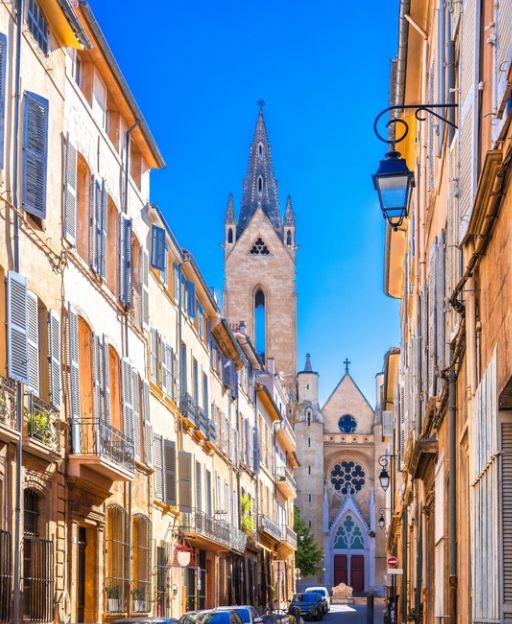
Within ninety minutes, a dozen more vans have arrived. The square smells of warm bread, cut herbs, and something floral drifting in from the flower stall. The market is setting up. And by the time most tourists think about breakfast, the best of it is already gone.
The Setup Starts Long Before You Arrive
French market stallholders do not arrive at nine with the rest of the world. Most arrive at five. Some earlier.
By the time the first shoppers walk into the square, the good positions have already been claimed. Each trader has their spot — the same corner they have occupied for fifteen, twenty, thirty years. In some markets, the same patch of cobblestones their parents stood on before them.
The setup is quick, wordless, and completely precise. Crates off the van. Trestle tables unfolded. Cloth smoothed down. Produce arranged by size. Price signs written in the same chalk hand they have used for decades. Every stallholder has a system. No one deviates from it.
By seven, the square is a market. Two hours earlier, it was nothing but empty stone. That transformation — invisible to anyone who sleeps past eight — is one of the quiet miracles of French daily life.
If you want to understand the French market, you have to see it before it opens. The early morning is where its real character lives.
The Regulars Know Exactly When to Arrive
The people who truly know a French market arrive early. Not market-opening early. Earlier than that.
At half seven, there is already a small crowd at the cheese stall. The woman at the front is in her seventies and has been coming to this market since she was a girl with her mother. She does not ask what is good this week. She knows. She can tell from looking.
The cheese vendor knows this too. He has, without being asked, put aside a wedge of aged comté that he thought she would want. He does not advertise this. He simply takes it out when she arrives.
This is what a French market is, at its core. Not a shopping transaction. A set of long relationships, played out in public, week after week, across the seasons. The vendor knows which family is expecting a baby. The customer knows the vendor’s daughter just passed her baccalauréat. They talk for three minutes. Neither is in a hurry.
By nine, when tourists start to filter in with their cameras, the regulars are already heading home with full bags. They have done what they came to do. For them, the market is a ritual, not a spectacle.
The Unwritten Rules Nobody Explains
No one hands you a guide to French market etiquette. You are simply expected to know it. Most visitors don’t, and it shows.
The first rule: do not touch the produce. Not the peaches, not the tomatoes, not the apricots arranged in a careful pyramid. The vendor will select for you, and they will do a better job than you would. This is not rudeness on their part. It is service, in the French sense — attentive, considered, personal.
The second rule: say bonjour properly. Not a mumbled noise. Not “hi.” A real “bonjour, madame” or “bonjour, monsieur” with eye contact. This single word, said correctly, changes the temperature of the entire interaction. The vendor becomes warmer. They may point out the best item without being asked.
The third rule: do not rush. The market does not operate on a city schedule. If you approach a stall with an air of urgency, you will be subtly de-prioritised. The French can spot someone who doesn’t understand what the market is for.
The fourth rule: never ask for a discount unless you are buying a large quantity. Prices are already fair. Haggling at a French market is not charming. It is insulting.
These rules are not posted anywhere. But break them, and everyone nearby will notice.
Enjoying this? 7,000 France lovers get stories like this every week. Subscribe free →
What the Market Sells That Supermarkets Cannot
France has supermarkets everywhere. People still go to the market. That tells you something important.
The produce at a good French market is genuinely different. The tomatoes smell the way tomatoes are supposed to smell. The strawberries have not been picked four days early to survive refrigeration. The bread, usually bought from a stall connected to a local boulangerie, was baked three hours ago. You can feel the warmth through the bag.
But the food is only part of it. Depending on the market and the town, you can also find linen tablecloths, hand-thrown pottery, old copper pans, lavender sachets, jars of local honey still cloudy from the hive, live plants in terracotta pots, and cardboard boxes of second-hand paperbacks in four languages.
The market is the town’s living room. It is where you find out what has changed since last week. Who has arrived, who has left. Which restaurant has closed, which one just opened. The water main on the Rue de la Fontaine, the new doctor at the cabinet médical. Information flows here that never appears in any local paper.
If you want to understand a French town — really understand it — you have to stand in its market on a Tuesday or a Saturday morning and just listen.
Why the Marché Has Never Been Replaced
France had every opportunity to let the supermarket take over completely. It decided not to.
That decision is not a passive one. French towns actively protect their markets. They reserve space in the square. They grant stallholders licences that can run in families for generations. They time the market to match the rhythm of the week — always in the morning, always finished by noon.
In smaller towns, the market is one of the few remaining moments when the whole community gathers in one place. You will see farmers who drove in from twenty kilometres away. You will see the retired teacher and the young couple who have just moved here from Lyon. The schoolchildren doing errands for their parents. The elderly man reading the newspaper at the café on the corner, who has watched this square every Saturday morning for fifty years.
For two or three hours, the square belongs to everyone equally. Then it ends. The vans are packed. The tables come down. The square is swept. By early afternoon, it is empty again.
If you visit Provence, the markets of Apt, Saint-Rémy, and Arles each have their own character — their own regulars, their own sellers, their own mood. No two are the same, even when they are just forty kilometres apart. That variety is deliberate. The market belongs to the town, not to a brand or a chain.
How to Visit Like Someone Who Belongs There
The best approach to a French market is simple: go early, go slowly, and don’t start photographing before you have looked properly.
Arrive before nine. Walk the entire market once without buying anything. Just look. Notice which stalls are busy. Notice who the regulars are talking to. Get a feel for where the best produce is, and which vendors are friendliest.
Buy a coffee from the café on the edge of the square. Stand with it. Watch what is happening around you. This is not wasting time. This is exactly what the French are doing at the table next to you.
Then go back to the stalls you liked and buy something. A small piece of cheese. A bunch of herbs. A jar of something local. You don’t have to spend much. What matters is that you are participating in the market, not simply photographing it from a distance.
The difference between visiting a French market and being in one is that second loop — the one where you actually hand over a few euros, say thank you properly, and carry something home.
Once you have done that, you will understand why the French still go every week. And you will probably want to plan a trip to France with the market schedule at the centre of it.
It is also worth knowing that the market connects to something much larger in French life — the long, unhurried relationship with food that shows up in everything from the Sunday lunch to the way the French approach the weekly shop. If you want to read more about how French families spend their time together over food, this piece on the three-hour French Sunday lunch ritual covers it well.
There are things France has always understood that the rest of the world is still working out. One of them is this: how you buy something matters as much as what you buy. The market is not just commerce. It is a reason to leave the house, to see your neighbours, to hold a warm tomato and decide it is the right one.
No algorithm can do that. No delivery app comes close. The square fills up every week because the French know something most of us have forgotten: that shopping, done properly, is also a form of living.
Love France? So do 7,000 of us.
Every week, our free newsletter delivers hidden gems, seasonal guides, local stories, French recipes, and the art of la vie française — straight to your inbox. Join the community that loves France as much as you do.
Subscribe Free — Get the Newsletter →
Love Ireland too? Join 65,000 Ireland lovers → · Love Scotland? Join 43,000 readers → · Love Italy? Join 30,000 readers →
Love France? So Do We.
Join our free newsletter and get the best of France — travel tips, hidden villages, food traditions, and cultural stories — straight to your inbox every week.
Free. No spam. Unsubscribe anytime.
📥 Free Download: France Travel Planning Guide
Itineraries, insider tips, and the places you must not miss on your next trip to France.
Leave a Reply