It begins just after six. Someone opens a bottle. A bowl of olives appears on the table. No one has set a timer, but everyone in France knows exactly when this hour has arrived.
This is l’apéro. And the French treat it as though the day itself depends on it — because, in a way, it does.
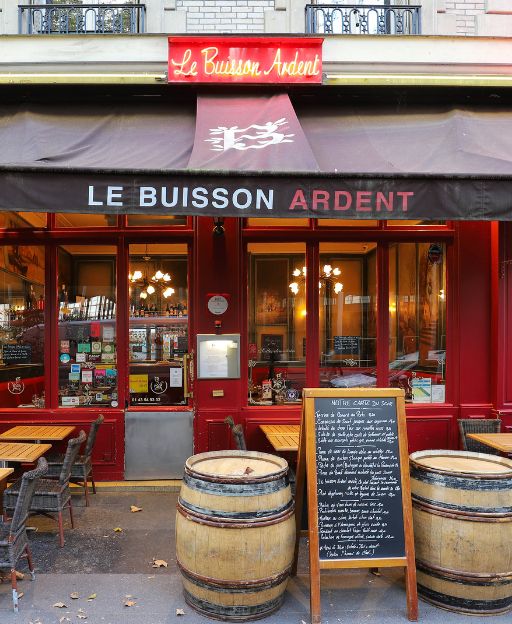
What Is the French Apéritif?
The apéritif — or l’apéro — is the ritual pause between the working day and the evening meal. The word comes from the Latin aperire, meaning to open. And it opens everything: the appetite, the evening, the conversation.
In other countries, a pre-dinner drink is practical. In France, it is ceremonial. It marks the moment when the rush of the day is officially over.
You will find it in every corner of France. In Parisian apartments, Provençal gardens, Breton fishing villages and Alpine chalets. The drink changes. The ritual does not.
The Unspoken Rules
The French apéritif runs on rules that nobody ever wrote down.
The drink is always light — a glass of wine, a kir (white wine with blackcurrant liqueur), a pastis, or something sparkling. You will not find neat spirits at the apéritif table. This hour opens the appetite; it does not replace it.
Small bites appear alongside: a handful of olives, a slice of saucisson, some tapenade on toast, perhaps a handful of gougères — those light, golden cheese puffs beloved across Burgundy. These are not snacks. They are punctuation marks in the evening.
The one unbreakable rule is this: nobody hurries. If you arrive for an apéritif at seven and sit down to dinner at nine, that is not poor planning. In France, that is hospitality done correctly.
A Drink for Every Region
France does not have one apéritif. It has dozens.
In Provence, it is almost always pastis — that anise-flavoured spirit that turns cloudy the moment water touches it. The smell alone is enough to transport you to a terrace above the lavender fields. For more on the flavours of every French region, see our guide to what to eat in France.
In Paris, a kir royale — champagne with a drop of blackcurrant — appears on café terraces from Montmartre to the Marais. In Alsace, a crisp Riesling poured from a slender bottle. In Brittany, local cider. In the Basque Country, a glass of txakoli poured from a height, the fizz cascading into the glass like a small performance.
The food follows the same regional logic. Pâté in the Périgord. A slice of andouille in Normandy. Baguette and good butter in almost every kitchen in France. None of it is meant to fill you up. All of it is meant to make you want more.
Enjoying this? 7,000 France lovers get stories like this every week. Subscribe free →
Why This Hour Matters
The apéritif is where the French do something most modern people have forgotten: they stop.
Not to check their phones. Not to plan the rest of the evening. Just to be in the room with the people they like, talking about whatever surfaces. The French have a phrase for this kind of unhurried conversation — they call it la causette, the small talk that is not really small at all.
French children grow up watching this ritual from the table. They learn that the evening meal is not simply about eating. It is about gathering. The apéritif teaches that lesson early — that the time before the meal is part of the meal itself.
There is something democratic about it too. The apéritif does not require wealth or occasion. A bottle of wine, a handful of olives and a table. That is all. The richest household and the simplest kitchen observe the same ritual with the same quiet attention.
How to Slip Into the Ritual as a Visitor
You do not need an invitation to find the apéritif in France.
Walk into any local café at six in the evening. Not a tourist bar — a neighbourhood café, the kind where the owner knows every regular by name. Order a kir or a glass of the house wine. Drink it slowly. Watch what happens around you.
You will see it immediately: the unhurried gathering, the conversations that have been going on for years, the easy silence that falls between old friends who have nothing left to prove to each other.
If you are lucky enough to be invited into a French home for l’apéro, treat it as an honour. Arrive roughly on time. Bring nothing — or bring wine. Stay long enough to feel the hour shift, to feel the day actually end.
If you are still planning when and where to go, our guide to planning your trip to France will help you build an itinerary with enough slow evenings built in.
The Best Apéritif Has No Address
The most memorable apéritif you will have in France will not come from a restaurant guide.
It will happen somewhere unremarkable: a plastic table in a village square, a bottle of chilled rosé, the sun dropping below the church tower, somebody’s child chasing a ball across the cobblestones.
Or in a farmhouse kitchen in the Dordogne, where the windows are open and the bread is already on the table, and someone has produced a bottle of Bergerac from somewhere — and nobody is asking yet when dinner will be ready.
These moments do not appear on any itinerary. They appear when you slow down enough to notice that something extraordinary is happening in the most ordinary hour of the day.
If you want to prepare for mornings as carefully as evenings, read The French Breakfast: What to Order in a Boulangerie. France rewards those who pay attention at every hour.
There is a reason France feels different at six in the evening. Not because the light changes — though it does — but because a whole country has agreed, without ever signing anything, to stop rushing for a while. Find that hour. It will stay with you long after you leave.
Join 7,000+ France Lovers
Every week, get France’s hidden gems, seasonal guides, local stories, and the art of la vie française — straight to your inbox.
Love more? Join 65,000 Ireland lovers → · Join 43,000 Scotland lovers → · Join 30,000 Italy lovers →
Free forever · One email per week · Unsubscribe anytime
Love France? So Do We.
Join our free newsletter and get the best of France — travel tips, hidden villages, food traditions, and cultural stories — straight to your inbox every week.
Free. No spam. Unsubscribe anytime.
📥 Free Download: France Travel Planning Guide
Itineraries, insider tips, and the places you must not miss on your next trip to France.
Leave a Reply