
In France, Sunday is a different kind of day. Not quiet in the way of rest, but slow in the way of intention. It is the day the table gets set early, the oven goes on at ten, and nobody — absolutely nobody — has anywhere else to be.
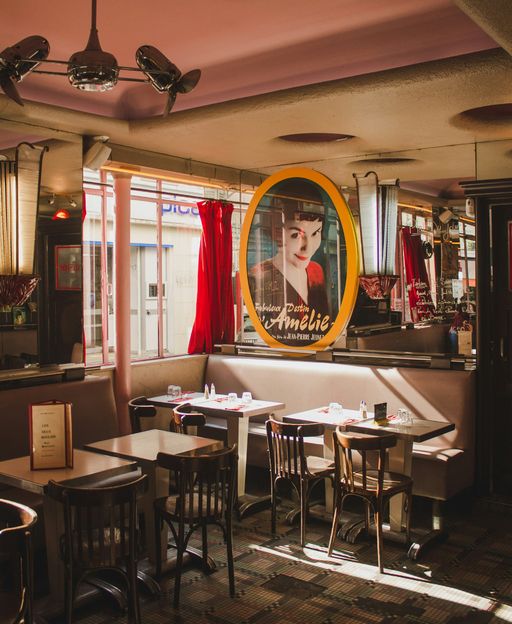
The French Sunday lunch — le déjeuner dominical — is one of the country’s oldest living traditions. It is not a brunch. It is not a dinner. It is a meal that exists in its own category, with its own rules, its own pace, and its own unspoken purpose.
And if you have ever been invited to one, you already know: it cannot be rushed.
Why It Takes All Day to Eat One Meal
The table is set hours before anyone sits down. The tablecloth comes out. The good glasses come out. Someone runs to the boulangerie before it closes at noon.
By midday, the kitchen smells of roasting chicken or braised lamb. Potatoes are in the pan. The first guests arrive and somebody opens the wine before the food is ready.
That is normal. That is the point. A French Sunday lunch does not start and end. It unfolds.
It Begins at the Market
For most French families, Sunday starts at the local marché. Not just to buy ingredients, but to take their time.
They speak to the cheese seller. They debate the apples. They pick up something seasonal that was not on the list. The Sunday market is where the meal begins — long before the oven is on.
If you want to understand this culture before your visit, here is what really happens in a French market town before tourists wake up. It will change how you spend your Sunday mornings.
The Table as a Place to Belong
The French Sunday table is not just for eating. It is for belonging.
Grandparents sit at the heads. Children pass the bread without being asked. Someone argues gently about something that does not matter. A baby is passed around. Wine is refilled without ceremony.
This is not a performance. It is how French families stay close across generations. The table does the work that the rest of the week does not allow.
It starts young, too. French children sit down to a four-course lunch at school every single weekday. By the time they are adults, the long table feels like home.
Enjoying this? 7,000 France lovers get stories like this every week. Subscribe free →
Guests Are Never an Afterthought
If a French family is having Sunday lunch and you are in their orbit, you will be invited. The table will expand. An extra chair will appear. There is always more food, and nobody makes a point of saying so.
French hospitality is not about impressing anyone. It is about including them. There is a real difference.
If you are ever lucky enough to sit at a French family’s Sunday table, you will feel it within minutes. It does not feel like eating at a restaurant. It feels like you have always been there.
The Cheese Course Changes Everything
In most countries, cheese is a starter or a snack. In France, it arrives between the main course and dessert — a course of its own, with its own quiet ritual.
The board comes out and nobody rushes. You take a small portion of each. You do not cut the nose off the brie. That is considered rude, and someone will quietly tell you so.
After cheese comes dessert — usually a tart, a clafoutis, or something a grandmother made earlier in the week. Then coffee. Then nothing in particular for quite a long time.
The Afternoon That Belongs to No One
Once the plates are cleared, the afternoon dissolves.
Nobody reaches for a phone. Nobody suggests heading off. Conversations slow down. Somebody might doze. A child disappears under the table. The wine is almost gone and nobody minds.
The French do not justify the time. The afternoon is not productive. That is exactly why it is so good.
If this is the kind of France you want to experience, start with our complete guide to planning your trip to France — it covers the practical side so the slow side can take care of itself.
The One Rule That Never Changes
You can eat almost anything at a French Sunday lunch. The menu changes by region, by season, by what the grandmother insists on. Coq au vin in Burgundy. Cassoulet in the south-west. Galette in Brittany.
But one rule never changes: you do not rush.
The French believe that eating well requires time. Time to taste. Time to talk. Time to simply sit with the people who matter. A meal finished quickly is, in France, a meal wasted.
If you ever find yourself in a French home on a Sunday, slow down and say yes. The table will make room. And when you finally leave — hours later, full, unhurried, a little warm from the wine — you will understand why the French never gave this up.
Join 7,000+ France Lovers
Every week, get France’s hidden gems, seasonal guides, local stories, and the art of la vie française — straight to your inbox.
Love more? Join 65,000 Ireland lovers → · Join 43,000 Scotland lovers → · Join 30,000 Italy lovers →
Free forever · One email per week · Unsubscribe anytime
Leave a Reply