
Somewhere in the Auvergne, a medieval village called Hérisson sits quietly on a hill. Its ruined towers loom above honey-stone houses. Fewer than 700 people live there. And it holds one of the most coveted labels in all of France.
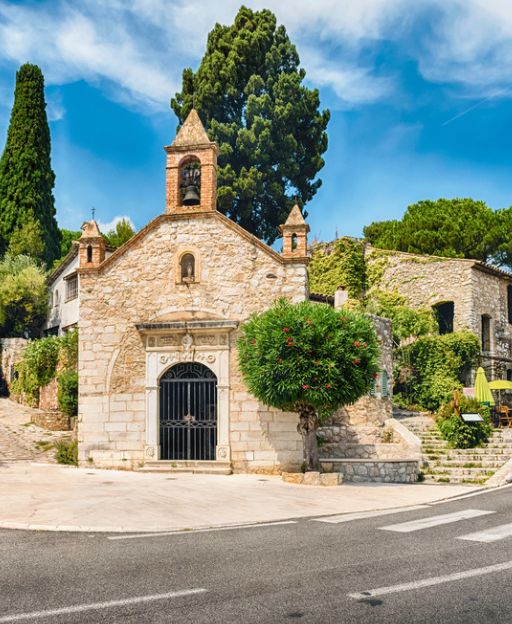
The label is Les Plus Beaux Villages de France — The Most Beautiful Villages of France. It has existed since 1982. And the rules for earning it are stricter than most visitors ever realise.
How It Started
A man named Charles Ceyrac had a simple idea. France was full of extraordinary small villages. But most tourists rushed past them on the way to Paris, Provence, or the Côte d’Azur.
In 1982, he founded an association to shine a light on them. The name was bold: the Most Beautiful Villages of France. No hedging. No “among the most beautiful” or “some of France’s finest.” The best. That was the claim.
Today, the association has over 160 members spread across every region of the country. And it refuses to grow indiscriminately.
The Rules Are Tougher Than You’d Think
To join, a village must pass a rigorous independent inspection. The criteria cover heritage, architecture, and ongoing care.
The population must be under 2,000. The village must have at least two classified heritage sites within its territory. But the numbers are only the start.
An independent jury visits each candidate. They assess the streets, the public spaces, the gardens, the condition of the façades. They look for evidence that the community actively maintains its character — not just its monuments.
Membership can also be revoked. The association has removed villages from the list for falling below standard. The label is not permanent. It must be earned again and again, year after year.
What Getting the Label Actually Changes
The moment a village joins the list, visitor numbers almost always rise. Tourist boards include the label in their literature. Guidebooks and travel writers take notice.
But the label also creates obligations. New building work must respect the existing character. Restoration must be done properly. Residents often feel a genuine pride in the designation — and the quiet pressure that comes with it.
Saint-Paul-de-Vence on the French Riviera is perhaps the most famous member. Its medieval lanes, stone fountain, and ramparts above the valley have drawn artists for a century. Picasso, Matisse, Léger, and Chagall all came here. The village has been on the list since its founding.
Enjoying this? 7,000 France lovers get stories like this every week. Subscribe free →
The Villages You Should Know
The list spans every corner of France. Rocamadour, clinging to a Lot valley cliff, is on it. So is Gordes in Provence, perched high above plains of lavender. If you’re planning a visit to Provence, Gordes alone is worth a detour.
In Alsace, Éguisheim sits in a near-perfect circle of half-timbered houses, its streets so intact they feel like a stage set — except every detail is real. In the Dordogne, La Roque-Gageac hugs a cliff above the river, its stone houses climbing the rock face in tiers.
Then there are the lesser-known ones. Talmont-sur-Gironde on the Atlantic coast: a Romanesque church perched above a wide brown estuary, with almost nothing around it but sea grass and sky. Hérisson in the Auvergne: medieval towers above a forgotten valley, with one bakery, one square, and a silence that most of France has long since lost.
You can find other remarkable French villages scattered across the countryside too — many of them just off the main routes between cities.
Why Most Visitors Miss Them
The problem is not awareness. It is habit.
Most people plan trips around cities and regions. They book Paris for three days, Provence for four. They drive past road signs pointing to places they’ve never heard of.
The Plus Beaux Villages list is essentially a verified shortlist. Every village on it has been independently assessed. Every one has something worth stopping for. When you’re planning your trip to France, it’s worth keeping the list to hand.
France does not hand this label out lightly. Behind each one is a community that fought to earn it — and works quietly, every year, to keep it. The next time you drive through the French countryside and see a small brown sign pointing left, it might just be worth following.
Join 7,000+ France Lovers
Every week, get France’s hidden gems, seasonal guides, local stories, and the art of la vie française — straight to your inbox.
Love more? Join 65,000 Ireland lovers → · Join 43,000 Scotland lovers → · Join 30,000 Italy lovers →
Free forever · One email per week · Unsubscribe anytime
Leave a Reply