
Planning a first time Paris itinerary can feel overwhelming. The city is vast, the list of things to see seems endless, and the fear of wasting a day in a queue is very real. But Paris rewards those who take a little time to prepare.
Love France? Join 7,000+ readers on our free newsletter → lovetovisitfrance.substack.com
This guide gives you a practical, day-by-day plan for five days in Paris. It covers the essential sights without rushing, leaves room for wandering, and includes the kind of detail most travel guides miss — where to eat breakfast, which Metro line to take, and when to arrive at the big attractions to beat the crowds.
What to Know Before You Arrive
Paris is well served from the United States. Direct flights connect New York, Los Angeles, Chicago and Boston to Charles de Gaulle Airport. Flight time from the East Coast is around eight hours.
Currency: France uses the euro. Credit cards are widely accepted, but carry a small amount of cash for markets, boulangeries and smaller cafés.
Language: French is the official language, but English is spoken in most tourist areas. A few words of French — bonjour, merci, s’il vous plaît — are always appreciated.
Getting from the airport: The RER B train connects Charles de Gaulle to the city centre in around 35 minutes. It is the fastest and most affordable option. Taxis are available but can take significantly longer during peak hours.
Phone and data: Pick up a local SIM card at the airport or use your US carrier’s international plan. A working map on your phone is essential in Paris.
Your First-Time Paris Itinerary: 5 Days, Day by Day
The itinerary below moves through different parts of the city each day, keeping travel time sensible and grouping nearby attractions together. It is a guide, not a schedule — feel free to drop, swap or slow down.
Day 1: The Historic Heart of Paris
Begin on the Île de la Cité, the island at the centre of Paris where the city began. Notre-Dame de Paris stands here, and even with restoration work ongoing, the exterior and surrounding square give you a powerful sense of medieval Paris. The cathedral has been central to French life for eight centuries.
Walk across to the Left Bank and explore the Latin Quarter. This area has been a centre of learning for centuries — the Sorbonne is here, and the narrow streets are lined with bookshops, cafés and small restaurants. It is excellent for lunch.
In the afternoon, visit the Sainte-Chapelle on the Île de la Cité. This 13th-century royal chapel contains some of the finest stained-glass windows in Europe. Nothing quite prepares you for the interior when the light comes through.
Spend the evening in Saint-Germain-des-Prés. Order a steak frites or a croque-monsieur at one of the classic brasseries here, and watch Paris go by.
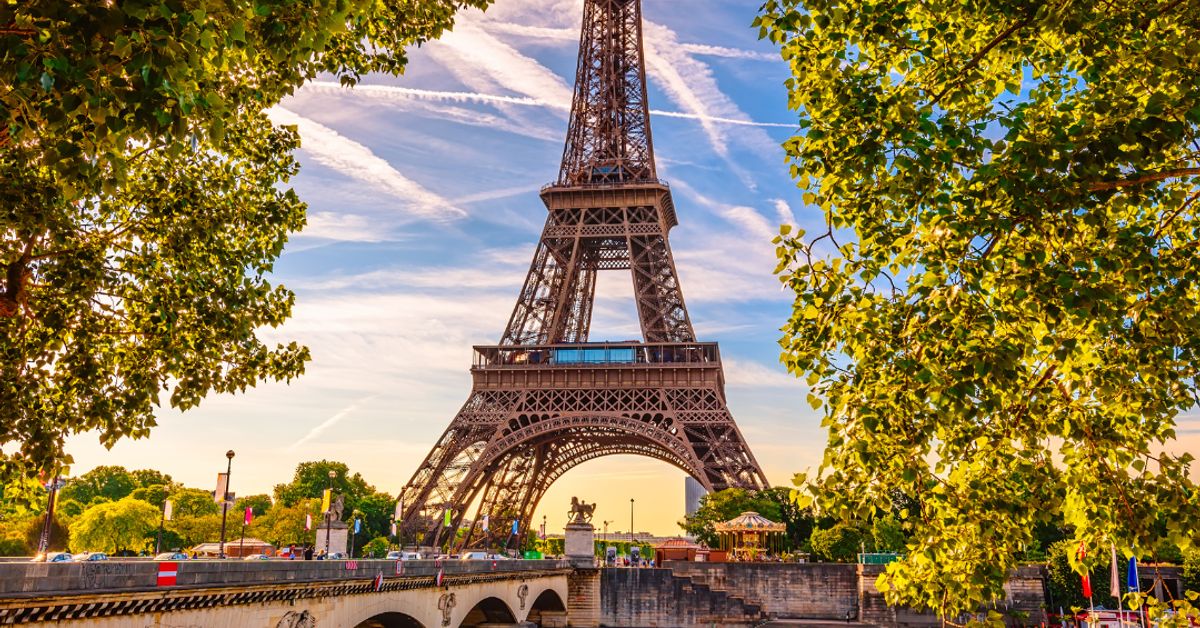
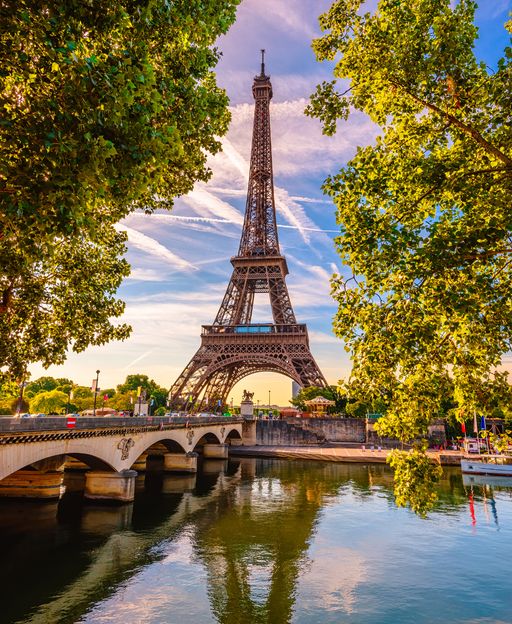
Day 2: The Eiffel Tower and the 7th Arrondissement
Book your Eiffel Tower tickets online before you travel — the queue for walk-up tickets can run to two hours in peak season. The tower opens early and is least crowded first thing in the morning.
After the tower, walk east along the Seine to the Musée d’Orsay. Housed in a former railway station, it holds one of the world’s great collections of Impressionist art — Monet, Renoir, Degas, Van Gogh. Allow at least two hours. Book tickets in advance to avoid the queue.
The 7th arrondissement is one of the quieter, more residential parts of central Paris. Rue Cler is a market street where locals shop for cheese, bread and vegetables. It is a good spot for a late morning snack.
Day 3: Montmartre and the Marais
Montmartre sits on a hill in the north of the city. Climb to the Sacré-Cœur basilica at the top for one of the best views across Paris. Arrive before 09:30 — by mid-morning the steps are busy.
The streets of Montmartre have a village feel unlike anywhere else in Paris. The buildings are low, the streets are narrow, and the place du Tertre fills with artists most mornings. It is easy to spend two hours just walking and looking.
In the afternoon, take the Metro to the Marais in the 3rd and 4th arrondissements. This historic district has excellent street food — falafel on rue des Rosiers is well known — as well as the Place des Vosges, Paris’s oldest planned square. Walk through it, sit on a bench and notice the symmetry.
Love France? Join 7,000+ Readers
Get France’s hidden gems, local recipes and travel inspiration every week — completely free.
Day 4: A Day Trip to Versailles
Versailles is 30 minutes from central Paris by RER C train. The Palace of Versailles is the most visited monument in France, and the scale is genuinely staggering. The Hall of Mirrors alone is worth the journey.
Book your palace tickets in advance — queues without pre-booking can run to three hours. The gardens surrounding the palace are free to walk and are beautiful in any season. Allow a full day.
If Versailles doesn’t appeal, there are other excellent day trips close to Paris. Our guide to the best day trips from Paris covers eight options — including Giverny, Chartres and the Champagne region — each within easy reach of the city.
Day 5: The Louvre, Markets and Farewells
The Louvre is the largest museum in the world. Do not try to see everything. Choose two or three things you most want to see and focus on those. The Mona Lisa draws enormous crowds; the Winged Victory of Samothrace and the Venus de Milo are usually much quieter.
Use the afternoon for a final wander. The covered market at Marché des Enfants Rouges in the Marais is one of the oldest in Paris and open most days. A hot lunch there is inexpensive and good. Pick up some cheese, a small jar of mustard or a bag of herbes de Provence to take home.
Getting Around Paris
The Paris Metro is one of the best urban transport systems in the world. It is fast, frequent and covers nearly every part of the city. Buy a carnet of ten tickets for a slight saving over single fares, or use a contactless card on the yellow readers.
Walking is often quicker than the Metro for short distances. The central arrondissements are compact and very walkable. A good pair of comfortable shoes is essential — you will cover a lot of ground.
Vélib’, Paris’s public bicycle hire scheme, is easy to use and great for the river banks and parks. One-day passes are affordable and available through the app.
When to Visit Paris
Spring (April to June) and early autumn (September to October) are the most pleasant times to visit. The weather is mild, the light is beautiful and the city is busy but manageable.
July and August bring larger crowds and higher prices, but Paris in summer has its own energy — outdoor cinemas, long evenings and the banks of the Seine busy with people. The city is lively even when many Parisians themselves head south.
Winter (November to February) is the quietest season. Prices are lower, queues are shorter and Paris at Christmas — with its lights, markets and decorated streets — has a particular charm.
Where to Stay in Paris
The 1st and 4th arrondissements put you at the centre of everything and within walking distance of the main sights. The 6th (Saint-Germain-des-Prés) is quieter and very walkable. Montmartre is charming but requires more Metro time to reach major attractions.
Our guide to the best neighbourhoods in Paris covers each area by travel style, with practical advice on what each district is best suited to.
What to Eat on Your First Visit
French food is one of the great reasons to visit. A few things worth knowing before you arrive.
Breakfast in France is light — a croissant or pain au chocolat with a café crème is standard. Skip the hotel breakfast and find a local boulangerie instead. Our guide to ordering breakfast in a French boulangerie explains exactly what to ask for and what to expect.
Lunch is the main meal of the day. Many restaurants offer a set menu at lunchtime that is excellent value — often three courses at a reasonable price. Take your time. Rushing through a French meal is considered poor form, and the servers will not hurry you.
For a wider look at what to try across France, our guide to eating in France covers the regional dishes worth seeking out beyond Paris.
You Might Also Enjoy
- Best Day Trips from Paris: Eight Escapes Worth the Journey
- Where to Stay in Paris: Best Neighbourhoods by Travel Style
- What to Eat in France: A Guide to Regional French Food
Plan Your France Trip
Ready to plan your trip to France? Our France trip planning hub covers everything from visa advice and the best time to visit, to regional itineraries and budget tips — all in one place.
Join 7,000+ France Lovers
Every week, get France's hidden gems, local recipes, and travel inspiration — the kind you won't find in any guidebook.
Free forever · One email per week · Unsubscribe anytime
Leave a Reply