
The Loire Valley stretches across central France like a storybook come to life — Renaissance chateaux rising from morning mist, vineyards lining quiet roads, and market towns where the pace of life still follows the seasons. If you are planning a trip here, the question is not whether to visit, but where to stay in the Loire Valley to make the most of it.
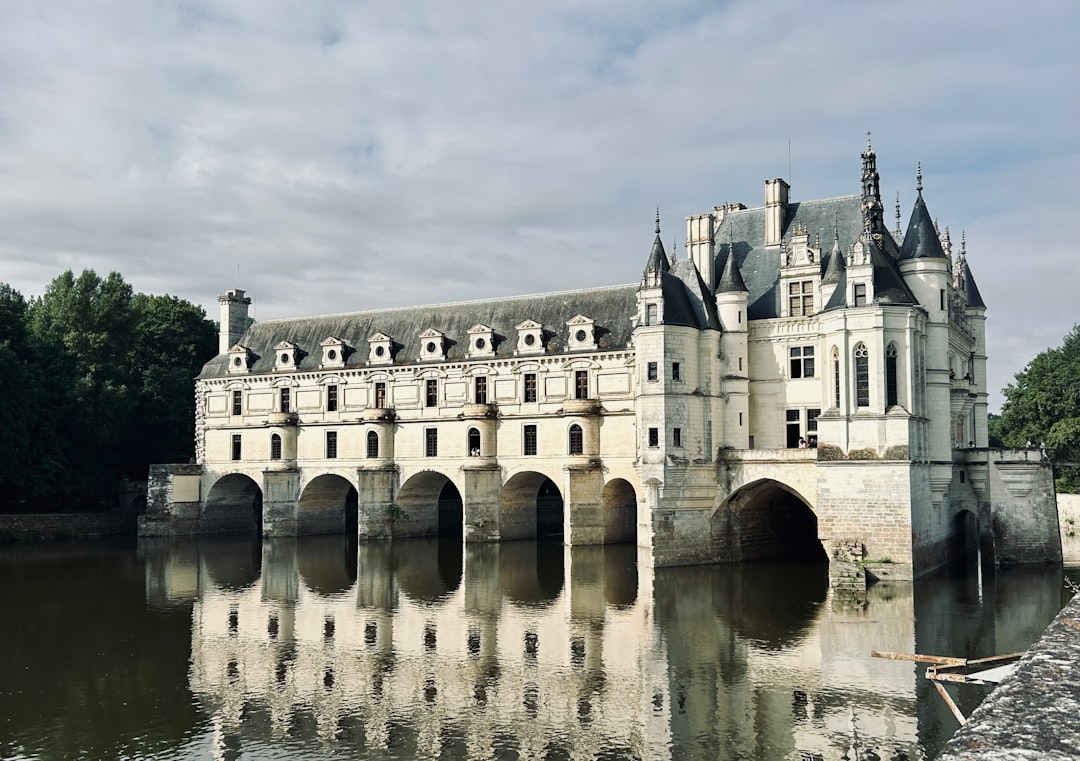
The good news is that the Loire Valley is compact enough to explore from a single base, yet varied enough that your choice of town will shape the entire feel of your trip. A city-lover staying in Tours will have a very different experience from someone tucked away in a guesthouse near Azay-le-Rideau. This guide covers the six best bases in the valley, with honest advice on what each one offers — and what it does not.
Subscribe free here
How to Choose Your Loire Valley Base
Before diving into specific towns, it helps to understand the geography. The main chateau corridor runs roughly east to west along the Loire River, from Blois in the east through Amboise and Tours to Chinon and Saumur in the west. Most of the famous chateaux sit within an hour’s drive of each other, which means you do not strictly need to move hotels during your stay.
Consider three things when choosing your base: how you are travelling (car versus train), what kind of atmosphere you prefer (lively city versus quiet village), and which chateaux matter most to you. Drivers have the most flexibility. Rail travellers should lean towards Tours or Amboise, both of which have good train connections.
For a broader look at building a France itinerary that includes the Loire Valley, see our 10 Days in France: Paris + Regions Complete Guide.
1. Amboise — The Best All-Round Base
The vibe: Amboise is the town most people picture when they imagine the Loire Valley. A handsome royal chateau sits above the town, the River Loire flows below, and narrow streets are lined with patisseries, wine bars, and independent shops. It is lively without being overwhelming — genuinely charming rather than touristy.
Why stay here: Amboise sits right in the centre of the chateau belt, making it the most practical base for day trips in every direction. You can walk to the Chateau Royal d’Amboise and the Clos Luce (Leonardo da Vinci’s final home) without getting in a car. Chenonceau is just 15 minutes’ drive away; Chambord is 45 minutes.
Price range: Mid-range. Expect to pay between EUR 90 and EUR 160 per night for a well-reviewed hotel or chambres d’hotes. Budget travellers can find guesthouses from around EUR 65. There are several upmarket options too, including the hotel at the foot of the chateau.
Transport: Amboise has a train station on the Tours-Blois line, with direct services from Paris (via Saint-Pierre-des-Corps) taking roughly two hours. The town is very walkable. If you are relying on trains and the occasional taxi, Amboise works well.
Nearby chateaux: Chenonceau (12 km), Chambord (50 km), Chaumont-sur-Loire (18 km), Clos Luce (walking distance), Chateau Royal d’Amboise (walking distance).
2. Tours — The City Base
The vibe: Tours is the largest city in the Loire Valley and the regional capital. It has a handsome old town (Vieux Tours), a proper restaurant scene, a cathedral, trams, and the buzz of a university city. If you want your evenings to include good dining options and a glass of wine in a busy square, Tours delivers.
Why stay here: Tours is the transport hub of the region. The TGV station (Saint-Pierre-des-Corps) connects to Paris Montparnasse in just over an hour. From Tours, you can reach almost every major chateau by car within 45 minutes. There are also organised minibus tours departing daily if you prefer not to drive.
Price range: Broad range. Budget hotels and hostels start around EUR 55. A comfortable three-star hotel in the old town runs EUR 85 to EUR 130. Boutique and four-star hotels go up to EUR 200 or more.
Transport: TGV to Paris (1h15), regional trains to Amboise (20 min), Blois (40 min), and Chinon (50 min). Local buses serve some chateau sites. Car hire is available at the station. This is the easiest base for non-drivers.
Nearby chateaux: Villandry (15 km), Azay-le-Rideau (27 km), Chenonceau (34 km), Amboise (27 km), Langeais (24 km).
3. Blois — Royal History, Fewer Crowds
The vibe: Blois is a handsome hilltop town dominated by its royal chateau, which served as a residence for several French kings. It feels quieter and more authentically French than Amboise — fewer tour groups, more locals going about their business. The old town has a lovely network of steep lanes, half-timbered houses, and small restaurants.
Why stay here: If Chambord is your priority, Blois is the natural base — France’s grandest chateau is just 20 minutes away. The Chateau Royal de Blois itself is superb, with its famous spiral staircase and four wings spanning different architectural periods. Cheverny (another visitor favourite) is also close by.
Price range: Good value. Hotels in Blois tend to be slightly cheaper than Amboise. A solid mid-range hotel costs EUR 75 to EUR 120. There are some excellent chambres d’hotes in the surrounding countryside from EUR 80.
Transport: Blois is on the main Tours-Orleans rail line, with regular trains to Tours (40 min) and Paris Austerlitz (around 1h40). The town centre is walkable but hilly. A car is helpful for reaching Chambord and Cheverny, as public transport links to these chateaux are limited outside peak season.
Nearby chateaux: Chambord (16 km), Cheverny (17 km), Chaumont-sur-Loire (17 km), Chateau Royal de Blois (walking distance).
4. Chinon — Medieval Charm and Wine Country
The vibe: Chinon is one of those places that makes you slow down without trying. A medieval fortress stretches along a ridge above the town, the River Vienne flows quietly below, and the surrounding countryside is blanketed with vineyards producing some of the Loire’s finest red wines. It feels like stepping back several centuries.
Why stay here: Chinon appeals to travellers who want atmosphere and authenticity over convenience. The town has excellent restaurants (particularly for regional cuisine), cave-carved wine cellars open for tastings, and a genuine sense of place. It is also the gateway to the western Loire chateaux, which tend to be less crowded than the famous eastern trio of Chenonceau, Chambord, and Amboise.
Price range: Affordable. Hotels and guesthouses run EUR 65 to EUR 110 for mid-range. There are charming converted-farmhouse B&Bs in the surrounding wine villages for similar prices. The occasional splurge option exists, but Chinon skews towards value.
Transport: Chinon has a small train station with connections to Tours (50 min). However, a car is strongly recommended here. The western Loire chateaux are spread out, and rural bus services are sparse. From Paris, drive via Tours (total roughly 3 hours) or take the TGV to Tours and hire a car.
Nearby chateaux: Chateau de Chinon (walking distance), Azay-le-Rideau (21 km), Usse (15 km — said to have inspired Sleeping Beauty), Langeais (30 km), Villandry (30 km).
5. Saumur — Sparkling Wine and Underground Wonders
The vibe: Saumur sits at the western edge of the chateau belt, a graceful town crowned by a fairy-tale castle that looks like it belongs in an illuminated manuscript. The town has an equestrian tradition (home to the Cadre Noir riding school) and is the centre of the Loire’s sparkling wine production. Beneath the town and the surrounding cliffs, a network of troglodyte caves has been carved out over centuries — now home to wine cellars, mushroom farms, and even underground restaurants.
Why stay here: Saumur is perfect for travellers who want to combine chateau visits with wine experiences and something genuinely different. The troglodyte caves are unlike anything else in France. Saumur’s Cremant de Loire (sparkling wine made in the traditional method) rivals many Champagnes at a fraction of the price. The town itself is relaxed and handsome, with a good Saturday market.
Price range: Very reasonable. Mid-range hotels run EUR 70 to EUR 110. There are some extraordinary troglodyte guesthouses (rooms carved into the cliff face) from EUR 90 — a truly unique overnight experience. Budget options start around EUR 50.
Transport: Saumur is on the Tours-Angers rail line, with regular services to Tours (40 min) and onward connections to Paris. The town centre is flat and walkable. A car opens up the surrounding area significantly, especially for wine-route driving and the more remote chateaux.
Nearby chateaux: Chateau de Saumur (walking distance), Fontevraud Abbey (15 km), Chateau de Breze (underground fortress, 10 km), Montreuil-Bellay (16 km).
6. Azay-le-Rideau — Small Village Charm
The vibe: If you have ever dreamt of staying in a sleepy French village surrounded by countryside, Azay-le-Rideau is your answer. The village is tiny — a handful of streets, a bakery, a couple of restaurants, and one of the most photogenic chateaux in all of France sitting on its own island in the River Indre. It is quiet, unhurried, and deeply romantic.
Why stay here: Azay-le-Rideau works beautifully for couples or anyone who wants to escape the bustle entirely. The chateau is exquisite (and recently restored), and the village makes a peaceful base for exploring the central Loire at your own pace. Villandry’s famous gardens are just 12 kilometres away. The surrounding countryside is ideal for cycling.
Price range: Mid-range. Hotels and guesthouses run EUR 80 to EUR 130. Options are limited in number but consistently high in quality. There are several excellent chambres d’hotes in converted farmhouses within a few kilometres of the village.
Transport: Azay-le-Rideau has a small train station with connections to Tours (30 min). A car is helpful but not essential if you are happy to limit your range. The village is very walkable. Cycling is popular here — the Loire a Velo cycle route passes nearby.
Nearby chateaux: Chateau d’Azay-le-Rideau (walking distance), Villandry (12 km), Usse (14 km), Langeais (15 km), Chinon (21 km).
Quick Comparison Table
| Town | Best For | Mid-Range Price | Train Access | Top Nearby Chateau |
|---|---|---|---|---|
| Amboise | All-round base | EUR 90–160 | Good | Chenonceau (12 km) |
| Tours | Non-drivers, nightlife | EUR 85–130 | Excellent (TGV) | Villandry (15 km) |
| Blois | Chambord access, quieter | EUR 75–120 | Good | Chambord (16 km) |
| Chinon | Wine, medieval atmosphere | EUR 65–110 | Limited | Azay-le-Rideau (21 km) |
| Saumur | Wine + caves + unique stays | EUR 70–110 | Good | Fontevraud (15 km) |
| Azay-le-Rideau | Village charm, couples | EUR 80–130 | Limited | Villandry (12 km) |
Practical Tips for Your Stay
How many nights? Three nights is the minimum to see the highlights. Five nights lets you explore at a comfortable pace and include some wine tasting. A full week is ideal if you want to cycle, visit smaller chateaux, and truly unwind.
One base or two? For most visitors, a single base works perfectly. If you have five or more nights and want variety, consider splitting between an eastern base (Amboise or Blois) and a western one (Chinon or Saumur). This covers the full range without too much driving.
When to visit: May, June, and September offer the best combination of good weather, manageable crowds, and open attractions. July and August are busy but still enjoyable. For more seasonal guidance, read our Best Time to Visit France guide.
Getting there from Paris: The TGV from Paris Montparnasse to Saint-Pierre-des-Corps (Tours) takes 1 hour 15 minutes. By car, the A10 motorway from Paris to Tours is roughly 2.5 hours. For a fuller transport overview, our guide on How to Get Around France covers all the options.
Booking accommodation: The Loire Valley is popular but not overwhelmed outside peak summer. Book at least a month ahead for June to September stays. Outside those months, you will usually find availability with a week’s notice. Chambres d’hotes (the French equivalent of B&Bs) often offer the best experience — personal service, local knowledge, and breakfast with homemade jam.
Budgeting: For a detailed cost breakdown covering accommodation, food, transport, and chateau entry fees across France, see our How Much Does a Trip to France Cost? guide.
Our Recommendation
For first-time visitors with a car, Amboise is the best base — central, charming, and within easy reach of the top chateaux. For travellers arriving by train, Tours gives you the most flexibility and the best evening dining. And for those who want something quieter and more romantic, Azay-le-Rideau or Chinon will stay in your memory long after the trip ends.
Whichever town you choose, the Loire Valley rewards slow travel. Take a morning to wander a market, spend an afternoon in a chateau garden, and end the day with a glass of local Vouvray on a terrace overlooking the river. That is the Loire at its best.
Join the Love France newsletter here
Leave a Reply