
France is not simply a country that happens to have good food. France is food. Every region guards its own culinary traditions with a fierceness that borders on the sacred, and the best way to understand this extraordinary country is to eat your way through it. Whether you are planning your first trip or your fifteenth, knowing what to eat in France — and where — will transform your journey from a holiday into a love affair.
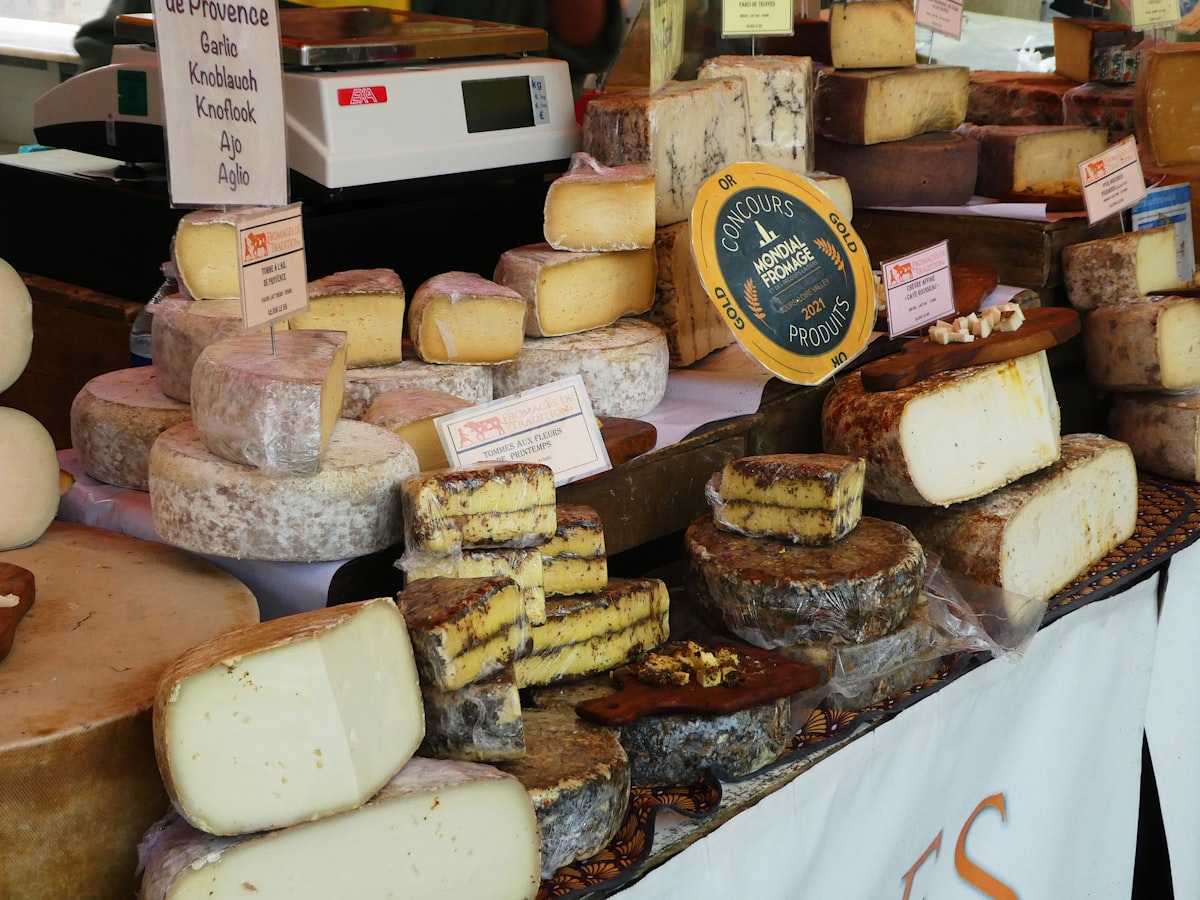
This guide walks you through eight of France’s most celebrated food regions, with the dishes you absolutely must try in each. Bon appétit.
Paris: Where Every Meal Is a Performance
The capital sets the tone. Paris is where French gastronomy was formalised, and despite its international reputation, the city’s most rewarding meals are often its simplest.
Start your morning as the Parisians do: with a croissant from a neighbourhood boulangerie. A good croissant should shatter at the first bite, with buttery, honeycomb layers inside. Pair it with a café crème and you have the quintessential Parisian breakfast.
For lunch, seek out a classic steak frites at a traditional bistro. The steak is typically an entrecôte or bavette, cooked rare (the French way), served with a pile of crisp, golden frites and perhaps a simple green salad. It is unpretentious perfection.
The croque monsieur — that gloriously indulgent ham and cheese toastie smothered in béchamel — is another Parisian staple you will find in brasseries across the city. Add a fried egg on top and it becomes a croque madame. Either way, it is comfort food elevated to an art form.
Provence: Sun-Drenched Flavours
Head south and the cuisine changes as dramatically as the landscape. Provence is all about olive oil, herbs, tomatoes, and long, leisurely meals in the shade of plane trees.
Ratatouille is the region’s signature vegetable dish — a slow-cooked medley of aubergine, courgette, peppers, tomatoes, and onions, fragrant with herbes de Provence. When made properly, it is far more than the sum of its parts.
Bouillabaisse is Marseille’s gift to the world: a rich, saffron-scented fish stew traditionally made with at least three types of Mediterranean fish, served with rouille (a garlicky, chilli-spiked mayonnaise) and crusty bread. It is a meal in itself and an experience not to be missed.
For something lighter, try tapenade — a pungent paste of olives, capers, and anchovies spread on toast or served as an apéritif. And of course, wash everything down with a glass of chilled Provençal rosé. There is a reason the region produces more rosé than any other in France.
Normandy: Cream, Cheese, and Calvados
Normandy’s cuisine is built on three pillars: dairy, apples, and the sea. The lush green pastures produce some of France’s finest cheeses and cream, whilst the coastline provides an embarrassment of seafood riches.
Camembert needs little introduction. This soft, oozy cheese — properly from the village of Camembert in Normandy’s Pays d’Auge — is best eaten at room temperature with good bread. Seek out raw-milk (au lait cru) versions for the authentic experience.
Moules (mussels) are served in enormous pots across the region, most commonly moules marinières — steamed in white wine, shallots, and parsley. They are simple, impossibly good, and invariably accompanied by frites.
To drink, Normandy offers cidre (cider), which ranges from dry to sweet and is traditionally served in ceramic cups. After dinner, a glass of Calvados — Normandy’s apple brandy — is practically compulsory. The tradition of the trou Normand, a shot of Calvados between courses to aid digestion, is still very much alive.
Burgundy: The Heartland of French Cooking
If Provence is sunshine on a plate, Burgundy is a warm embrace by the fire. This is hearty, soul-warming cuisine built around wine, mustard, and slow cooking.
Boeuf bourguignon is the region’s most famous dish — beef braised for hours in red Burgundy wine with mushrooms, pearl onions, and lardons until it falls apart at the touch of a fork. It tastes even better the day after it is made, and the best versions use wine you would happily drink on its own.
Coq au vin follows a similar philosophy: chicken braised in red wine with mushrooms and onions. It is rustic, deeply flavourful, and the kind of dish that makes you understand why the French take their food so seriously.
For the adventurous, escargots de Bourgogne — snails baked in garlic and parsley butter — are a must. They taste far better than you might expect, and the garlic butter alone is worth the experiment.
Dijon is the mustard capital of France, and Burgundian mustard appears in everything from sauces to salad dressings. Pick up a jar from the Maille boutique in Dijon for a perfect edible souvenir.
Lyon: The Gastronomic Capital
Ask any French person where to eat the best food in France and many will say Lyon, not Paris. This city at the confluence of the Rhône and Saône rivers has a culinary tradition that punches well above its weight.
The bouchon is Lyon’s answer to the Parisian bistro — a small, family-run restaurant serving traditional Lyonnais fare. Look for the official Les Bouchons Lyonnais certification to find the authentic ones.
Quenelles — light, pillowy dumplings of pike fish in a creamy sauce — are Lyon’s signature dish. They are delicate, rich, and utterly addictive. Andouillette, a tripe sausage, is for the more adventurous eater. It has a pungent aroma and robust flavour that divides opinion, but locals adore it.
Lyon is also the birthplace of Paul Bocuse, the father of nouvelle cuisine, and the city’s food scene ranges from humble bouchons to Michelin-starred temples. Whatever your budget, you will eat magnificently here.
Alsace: Where France Meets Germany
Alsace, tucked against the German border, has a cuisine quite unlike anywhere else in France. The flavours are heartier, the portions more generous, and the Germanic influence unmistakable.
Choucroute garnie — sauerkraut served with an assortment of sausages, smoked pork, and potatoes — is the region’s defining dish. It is substantial fare, best enjoyed in a traditional winstub (wine tavern) on a cold evening.
Tarte flambée (or Flammekueche) is Alsace’s answer to pizza: a paper-thin rectangle of dough topped with crème fraîche, onions, and lardons, baked in a blazing wood-fired oven. It is typically shared and eaten with the hands — wonderfully informal.
Alsace produces France’s finest white wines, and a glass of Riesling is the perfect partner for the region’s rich cuisine. The Alsatian Riesling is bone-dry, mineral, and altogether different from its German cousin.
Brittany: Crêpes, Cider, and the Sea
Brittany’s rugged Atlantic coastline and Celtic heritage give it a culinary identity all its own. This is a region that takes its crêpes, seafood, and cider very seriously indeed.
The galette — a savoury buckwheat crêpe — is Brittany’s signature dish. The classic galette complète comes filled with ham, cheese, and a fried egg. The buckwheat flour gives it a nutty, earthy flavour that sets it apart from the wheat-flour crêpes you will find elsewhere in France.
Sweet crêpes, made with white flour and filled with salted butter caramel, chocolate, or simply lemon and sugar, are the traditional follow-up. Pair them with a bowl of local cidre, served in ceramic cups.
Fruits de mer (seafood platters) are a Breton speciality — towering arrangements of oysters, langoustines, crab, whelks, and prawns served on ice. The oysters from Cancale are considered among the finest in the world, and you can buy them straight from the market stalls along the harbour wall.
The Southwest and Dordogne: Rich, Rustic, Unforgettable
The Dordogne and the broader southwest are where French country cooking reaches its most indulgent heights. This is a region that does not believe in restraint.
Foie gras — the fattened liver of duck or goose — is the southwest’s most celebrated (and controversial) product. Served as a terrine with toast and fig jam, or pan-seared (poêlé) with a sweet wine reduction, it is extraordinarily rich and complex. The Périgord region is considered the spiritual home of foie gras in France.
Duck confit (confit de canard) is another regional treasure: duck legs slowly cooked in their own fat until the meat is impossibly tender and the skin golden and crisp. It is typically served with sautéed potatoes (pommes sarladaises) and a simple salad. This is food that warms the soul.
If you visit between December and March, you may have the chance to taste Périgord truffles — the black diamonds of French gastronomy. Shaved over eggs, pasta, or simply onto buttered toast, they have an intoxicating, earthy perfume that justifies their extraordinary price.
Practical Tips for Eating in France
Understanding a few cultural conventions will make your dining experience smoother and more enjoyable.
Meal times matter. The French eat lunch between 12:00 and 14:00, and dinner between 19:30 and 21:30. Many restaurants close between services, so arriving at 15:00 hoping for a hot meal will likely end in disappointment. Plan accordingly.
Tipping is simple. Service is included in all restaurant bills in France (service compris). There is no obligation to leave anything extra, though rounding up the bill or leaving a euro or two for good service is a kind gesture. Never feel pressured to tip 15 or 20 per cent as you might elsewhere.
Ordering etiquette. The French value the ritual of dining. Wait to be seated, say bonjour when you arrive (this is essential — skipping it is considered rude), and do not rush. A meal in France is meant to be enjoyed slowly. If you want the bill, you will need to ask for it — l’addition, s’il vous plaît. It will never be brought to your table unbidden.
Markets are your friend. Nearly every town in France holds a weekly market, and they are the best place to discover local produce, sample regional specialities, and pick up ingredients for a picnic. Arrive early for the best selection.
The formule or menu du jour is your best friend at lunchtime. Most restaurants offer a set lunch menu — typically two or three courses at a fixed price — that represents outstanding value. Even high-end restaurants often offer a lunchtime formule that makes fine dining accessible.
Start Planning Your French Food Journey
France rewards the curious eater. Each region has its own story to tell through food, and the best way to discover them is simply to sit down, order something you have never tried before, and let the flavours guide you.
For more help planning your trip, visit our France Planning Hub, where you will find itineraries, travel tips, and everything you need to make the most of your time in this extraordinary country.
Leave a Reply