
France produces more iconic wines than any country on earth, and visiting the regions where they are made is one of the great travel experiences. Whether you dream of walking through golden Bordeaux vineyards, sipping champagne in underground cellars, or pairing a crisp Sancerre with a Loire Valley château lunch, this guide covers everything you need to plan your trip.
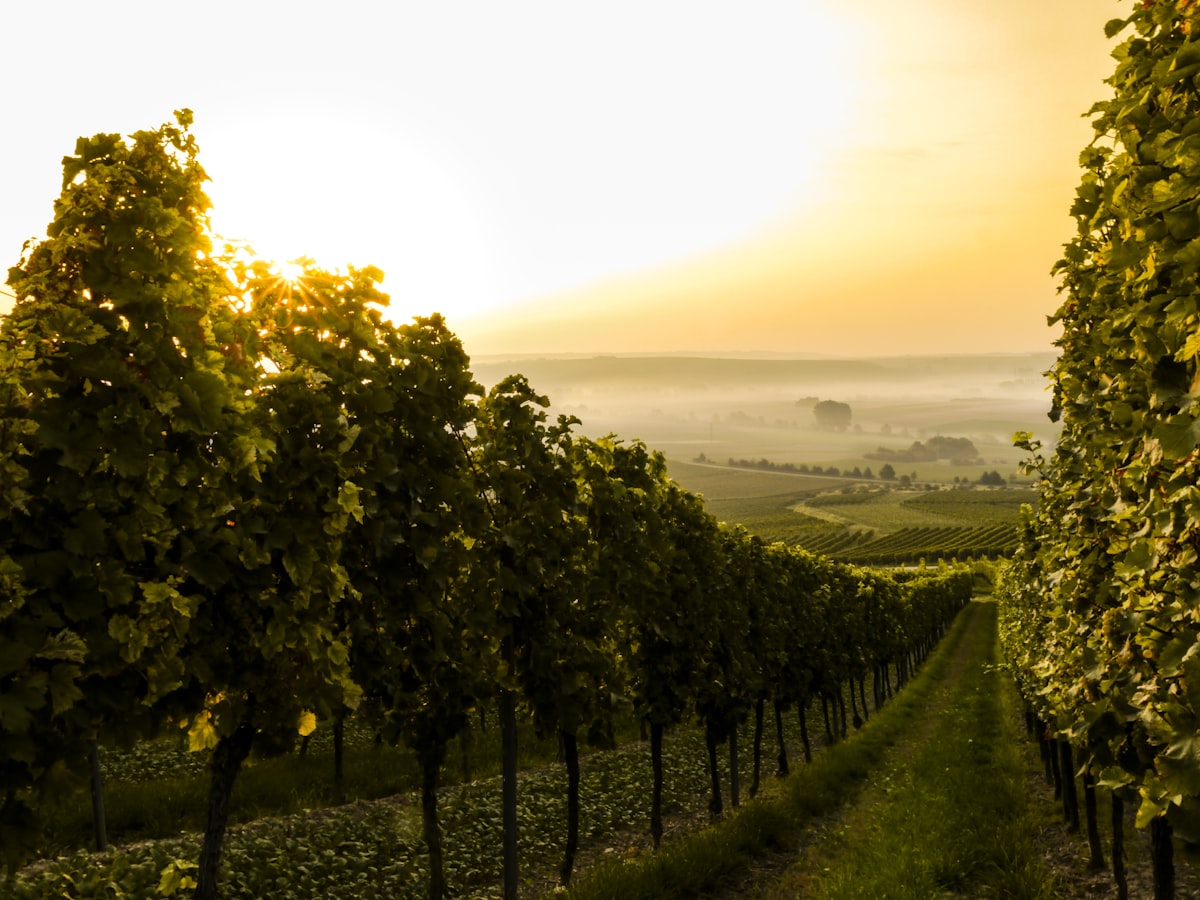
Below, we cover eight outstanding wine regions — what to taste, the best time to visit, how to book, and whether you can explore without a car. If you are in the early stages of trip planning, our Planning Hub has everything you need to get started, and our 7-day France road trip itinerary threads several of these regions together beautifully.
Love France? Get our free weekly newsletter
Every Friday we send one short email packed with France travel tips, hidden gems and seasonal inspiration — no spam, ever. Subscribe free here.
1. Bordeaux — The Grand Dame of French Wine
Bordeaux needs no introduction. The world’s most famous wine city sits on the Garonne river in south-west France, surrounded by more than 7,000 wine producers. The region is best known for its red blends — typically cabernet sauvignon and merlot — though you will also find superb dry whites in Pessac-Léognan and luscious sweet wines in Sauternes.
What to taste: A classified-growth red from the Médoc or Saint-Émilion, a crisp white Graves, and a glass of Sauternes with foie gras. For a broad introduction, the Cité du Vin museum on the riverfront is outstanding — plan at least three hours.
Best time to visit: Late May to mid-October. September is magical if you coincide with the harvest (vendange), though many châteaux close to visitors during the busiest picking days. June offers warm weather, fewer crowds and long evenings.
Booking tips: The most prestigious châteaux (Margaux, Mouton Rothschild, Haut-Brion) require advance booking — often weeks ahead in summer. Smaller estates in Fronsac, Côtes de Bourg or Blaye are far more relaxed and often welcome walk-ins.
Can you visit without a car? Partly. Bordeaux city and the Cité du Vin are fully accessible by tram. Saint-Émilion is a short train ride away. For the Médoc peninsula, however, a car or organised tour is essential — public transport is very limited.
2. Burgundy — Pinot Noir at Its Finest
Burgundy (Bourgogne) produces some of the most sought-after — and most expensive — wines on earth. The region’s genius lies in its obsession with terroir: the same grape, pinot noir, tastes completely different from one tiny plot to the next. The main wine towns are Beaune, Nuits-Saint-Georges and Chablis in the north.
What to taste: A village-level pinot noir from Gevrey-Chambertin or Volnay, a white Burgundy (chardonnay) from Meursault, and a glass of Chablis Premier Cru. In Beaune, the Hospices de Beaune is both a stunning medieval hospital and the setting for one of France’s most famous wine auctions each November.
Best time to visit: May to October. The Hospices de Beaune charity auction on the third weekend of November is a wonderful event if you enjoy festive atmospheres and don’t mind the cold.
Booking tips: Most Burgundy estates are small family operations. Book tastings in advance, as drop-ins are less common here than in Bordeaux. The Beaune tourist office runs excellent half-day guided vineyard tours.
Can you visit without a car? Yes, to a point. Beaune is well served by TGV from Paris (2h 20min) and Lyon. From Beaune you can cycle the voie des vignes path through the vineyards. For Chablis, a car is more practical.
3. Champagne — Bubbles and Underground Cellars
Only sparkling wine from this legally defined region east of Paris may call itself Champagne. The two key cities are Reims and Épernay, both built above kilometres of chalk cellars carved out centuries ago. Visiting these cellars is one of the most memorable experiences France has to offer.
What to taste: A non-vintage brut from one of the grandes maisons (Moët & Chandon, Veuve Clicquot, Taittinger), then seek out a grower champagne from a small producer — the difference is revelatory. Rosé champagne pairs wonderfully with a charcuterie lunch.
Best time to visit: April to October. The cellars maintain a constant cool temperature, so they are pleasant even on the hottest days. Harvest time (mid-September) can be tricky as many houses limit visits.
Booking tips: The big houses in Reims and Épernay run regular English-language tours — book online a few days ahead. In Épernay, a stroll down the Avenue de Champagne alone is worth the trip. Smaller producers on the Route du Champagne often welcome visitors with a quick phone call.
Can you visit without a car? Absolutely. Reims is 45 minutes from Paris by TGV. Épernay is a short regional train ride from Reims. Within both towns, most cellar visits are walkable.
4. Loire Valley — Châteaux, Sancerre and Vouvray
The Loire Valley is France’s garden, famous for fairy-tale châteaux and some of the country’s most food-friendly wines. The eastern end around Sancerre and Pouilly-Fumé produces outstanding sauvignon blanc, while Vouvray near Tours makes elegant chenin blanc in styles from bone-dry to richly sweet.
What to taste: A Sancerre blanc with a round of local goat’s cheese (Crottin de Chavignol), a Vouvray demi-sec, and a light Chinon red with a riverside lunch. Many of the grand châteaux — Chenonceau, Chambord, Amboise — sit within minutes of vineyards, making château-and-wine pairings an easy day out.
Best time to visit: Late April through October. June is ideal — the weather is warm, the gardens are in full bloom, and it is not yet peak tourist season.
Booking tips: Wine estates here tend to be friendly and low-key. Many welcome walk-ins, though a short email ahead of time is courteous. For the major châteaux, book entrance tickets online to avoid queues.
Can you visit without a car? Tours is well connected by TGV from Paris (1h 15min) and makes a good base. Local buses and organised tours cover the main châteaux. For the Sancerre hilltop and smaller wine villages, a car is helpful.
Planning your France wine trip?
Our free weekly newsletter delivers practical France travel tips straight to your inbox every Friday. Join thousands of France lovers here.
5. Alsace — The Wine Route Through Storybook Villages
The Alsace Wine Route (Route des Vins d’Alsace) stretches 170 km along the eastern foothills of the Vosges mountains, threading through half-timbered villages that look lifted from a fairy tale. The wines here are almost entirely white, and the tall, slender bottles are instantly recognisable.
What to taste: A dry riesling Grand Cru, a perfumed gewürztraminer, and a refreshing crémant d’Alsace (sparkling). Pair them with tarte flambée (flammekueche) and a platter of local charcuterie. Alsace riesling with a steaming dish of choucroute is a match made in heaven.
Best time to visit: May to mid-October for vineyards in full leaf. December is spectacular too — the Christmas markets in Colmar, Strasbourg and Riquewihr are among the best in Europe, and mulled Alsatian wine flows freely.
Booking tips: Most winemakers along the Route des Vins welcome walk-in visitors — look for the “dégustation” signs outside. Colmar and Riquewihr are the most popular bases. Book accommodation well in advance for the Christmas market period.
Can you visit without a car? Colmar and Strasbourg are both on the main TGV line. From Colmar, local buses serve several wine villages. However, driving the full Wine Route is one of the great French road trips — if you have a car, this is where to use it.
6. Provence — Rosé, Sunshine and Bandol
Provence accounts for roughly a third of all French rosé production, and its pale, dry, mineral wines have become a global phenomenon. Beyond the famous pink, the region produces serious reds in Bandol (mourvèdre-based and age-worthy) and lovely whites in Cassis.
What to taste: A chilled Côtes de Provence rosé on a sunny terrace — the quintessential French experience. Then seek out a Bandol rouge for depth and complexity, and a white Cassis with grilled fish. The wine-producing areas around Aix-en-Provence and the Luberon are particularly scenic.
Best time to visit: April to October. High summer (July-August) can be very hot and crowded, especially along the coast. Late May and September offer warm weather, lavender in bloom (late June), and calmer roads.
Booking tips: Many Provence domaines are relaxed about walk-in visits, though the larger estates near Aix may require a booking. Bandol wineries tend to be small and welcoming. Combine wine with a morning market visit in Aix, Lourmarin or Isle-sur-la-Sorgue.
Can you visit without a car? Aix-en-Provence is easy to reach by TGV. From there, some wine estates are accessible by taxi, but exploring rural Provence really benefits from a car. Bandol has its own train station on the coastal line.
7. Rhône Valley — Châteauneuf-du-Pape and Côtes du Rhône
The Rhône Valley splits into two halves. The steep, dramatic Northern Rhône produces powerful syrah in Hermitage and Côte-Rôtie, while the warmer, flatter Southern Rhône is home to the famous Châteauneuf-du-Pape and the immensely popular Côtes du Rhône wines.
What to taste: A Châteauneuf-du-Pape rouge (grenache-based blends that can age for decades), a Northern Rhône syrah from Crozes-Hermitage or Saint-Joseph, and a white Condrieu (viognier). In the village of Châteauneuf-du-Pape itself, several tasting rooms line the main street.
Best time to visit: April to October. The Southern Rhône gets very hot in July and August. Spring and early autumn are ideal — warm enough to enjoy long outdoor tastings but without the intensity of midsummer.
Booking tips: Châteauneuf-du-Pape is geared towards visitors and many domaines welcome walk-ins. In the Northern Rhône, estates are smaller and advance booking is advisable. Avignon, just 20 minutes south of Châteauneuf-du-Pape, makes an excellent base.
Can you visit without a car? Avignon has a TGV station and is a good base. From there, organised wine tours run to Châteauneuf-du-Pape daily. The Northern Rhône towns (Tain-l’Hermitage, Valence) are on the main rail line. Getting between smaller villages without a car is difficult, however.
8. Languedoc — Outstanding Value and Carcassonne
The Languedoc, stretching along the Mediterranean coast from Nîmes to the Spanish border, is France’s largest wine region by volume. It was once dismissed as a source of cheap table wine, but a revolution in quality over the past two decades means it now produces some of the best-value wines in the country.
What to taste: A bold Minervois or Corbières red, a refined Pic Saint Loup (near Montpellier), and a Blanquette de Limoux — said to be the world’s oldest sparkling wine, predating champagne. The medieval fortress of Carcassonne sits right in the heart of wine country and makes a spectacular base.
Best time to visit: April to October. The Languedoc coast is very busy in July-August. Carcassonne and the inland wine towns are more manageable, though still warm. Spring and early autumn are best for vineyard visits.
Booking tips: This is one of the easiest regions for spontaneous wine touring. Many producers welcome visitors without appointment. The Minerve and Corbières areas are particularly rewarding for a self-guided driving tour. Prices for tastings and bottles are noticeably lower than in Bordeaux or Burgundy.
Can you visit without a car? Montpellier, Narbonne and Carcassonne are all on the main rail network. From Carcassonne, a few wine estates are within cycling distance. But for proper exploration of this vast region, a car is the best option.
Practical Tips for Visiting French Wine Regions
- Spitting is expected. At any serious tasting, spit buckets are provided. Use them — especially if you are driving.
- Learn a few words. Even basic French goes a long way. “Bonjour, est-ce que je peux déguster?” (Hello, may I taste?) will open doors.
- Buy direct. Prices at the cellar door are usually the same as — or lower than — retail. Many estates offer shipping to the UK and beyond.
- Budget wisely. Tastings range from free (common in Alsace and Languedoc) to €20-€50 at top Bordeaux châteaux. Most mid-range estates charge €5-€15, often waived if you purchase.
- Combine with food. France’s wine regions are also its best eating regions. Seek out local markets, fromageries and tables d’hôte (farmhouse dining) for the full experience.
- Travel slowly. Each region deserves at least two full days. Rushing through defeats the purpose entirely.
For help building a multi-region itinerary, see our 7-day France road trip guide or browse the full Planning Hub.
Never miss a France travel tip
Join our free Friday newsletter for weekly France inspiration — hidden gems, practical advice and seasonal travel ideas delivered straight to your inbox. Subscribe here.
Leave a Reply