
The Loire Valley is the kind of place that makes you want to slow down. Stretching across central France, this UNESCO-listed region is home to more than 300 châteaux, vineyards that have been producing wine since the Middle Ages, and riverside villages where the pace of life hasn’t much changed in centuries. Whether you are drawn by Renaissance architecture, world-class white wines, or simply the promise of cycling through sunflower-lined lanes with a baguette strapped to your basket, this Loire Valley travel guide covers everything you need to plan a trip you will remember for years.
Love France? Join thousands of readers who get weekly travel inspiration, insider tips, and destination guides straight to their inbox. Subscribe to the Love France newsletter — it’s free.
The Top Châteaux You Should Not Miss
The Loire Valley is sometimes called the “Garden of France,” and its châteaux are the centrepieces. You could spend a fortnight visiting them and still not see them all, so here are the ones that deserve priority in your planning.
Château de Chambord
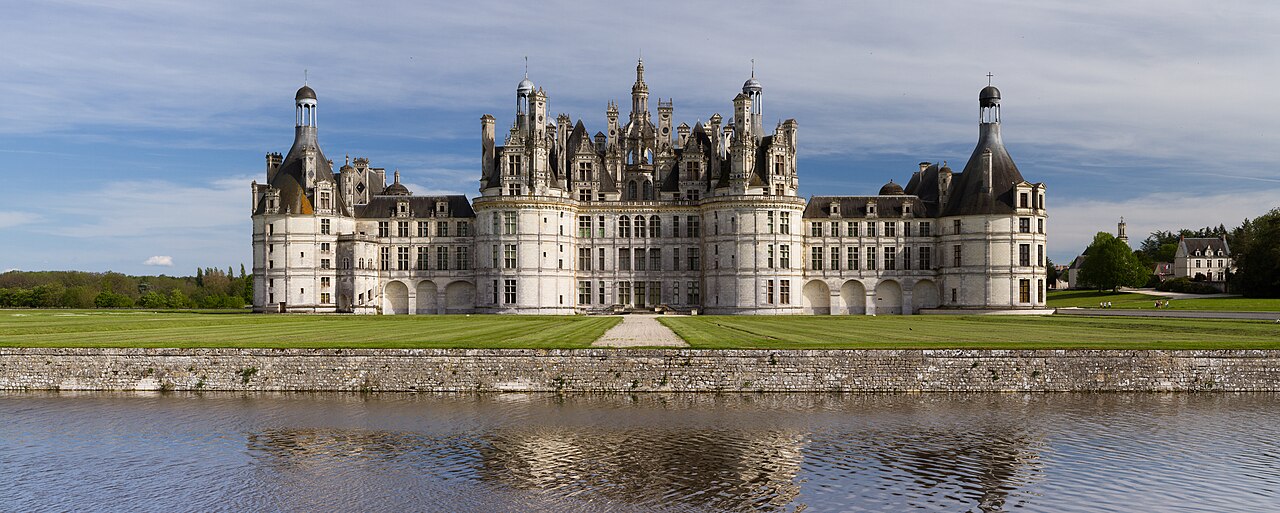
Chambord is the one that stops you in your tracks. Commissioned by François I in 1519, it is the largest château in the Loire Valley, with 440 rooms, 365 fireplaces, and a double-helix staircase widely attributed to Leonardo da Vinci. The scale is almost absurd — François used it primarily as a hunting lodge. Arrive early in the morning before the coach tours, and give yourself at least two hours. The rooftop terrace, with its forest of chimneys and turrets, is the highlight.
Château de Chenonceau
Known as the “Ladies’ Château” because it was shaped by a succession of remarkable women — Diane de Poitiers and Catherine de’ Medici chief among them — Chenonceau spans the River Cher with an elegance that is hard to overstate. The gallery above the water, the formal gardens on either bank, and the kitchen tucked into the pillars below all reward a slow visit. It is the second most visited château in France after Versailles, and for good reason.
Château Royal d’Amboise
Perched above the town of Amboise on a rocky spur, this was a favourite residence of the French kings. Leonardo da Vinci spent his final years just down the road at the Château du Clos Lucé (also worth visiting), and his remains are now interred in the Chapel of Saint-Hubert within the castle grounds. The views over the Loire from the ramparts are among the best in the valley.
Château de Villandry
Villandry is famous for its gardens rather than its interiors. The ornamental gardens are arranged on three terraces — the water garden at the top, the flower garden in the middle, and the extraordinary vegetable garden below, laid out in geometric patterns that look like living tapestries. Visit in summer when the planting is at its peak. Allow at least 90 minutes for the gardens alone.
More Châteaux Worth Your Time
Azay-le-Rideau sits on an island in the Indre river and is one of the finest examples of early French Renaissance architecture — smaller and more intimate than Chambord, with beautiful reflections in the surrounding moat. Château de Cheverny has been in the same family for six centuries and is said to have inspired Hergé’s Marlinspike Hall in the Tintin books; the interior is lavishly furnished and the grounds include a pack of hunting hounds fed daily at 17:00 (quite a spectacle). Château Royal de Blois is right in the town centre and showcases four distinct architectural styles from the 13th to the 17th century, making it a condensed history of French architecture in a single courtyard.
If you are planning to visit several châteaux, look into combination tickets and passes — they can save a meaningful amount. For help choosing a base, see our guide to where to stay in the Loire Valley.
Loire Valley Wine: What to Taste and Where
The Loire is France’s third-largest wine region, stretching nearly 1,000 kilometres from the Atlantic coast to the heart of the country. It is best known for its whites, though there are excellent reds and rosés as well. For a broader look at French wine country, see our guide to the best wine regions in France.
Key Appellations to Know
Sancerre — Arguably the most famous Loire wine, Sancerre produces crisp, mineral-driven Sauvignon Blanc from the eastern end of the valley. The hilltop town of Sancerre itself is lovely. Many producers welcome visitors for tastings, but booking ahead is wise, especially in summer.
Vouvray — Just east of Tours, Vouvray produces Chenin Blanc in styles ranging from bone-dry to lusciously sweet, plus some excellent sparkling wines (look for “pétillant” or “méthode traditionnelle” on the label). The caves carved into the tuffeau limestone cliffs here double as tasting rooms and ageing cellars.
Muscadet — From the western Loire near Nantes, Muscadet is the classic pairing for oysters and seafood. Look for “sur lie” on the bottle, which indicates the wine was left on its lees for extra richness and texture. Light, refreshing, and excellent value.
Chinon — The Loire’s best-known red, made from Cabernet Franc. Chinon reds are medium-bodied with bright berry fruit and a distinctive pencil-lead minerality. The town of Chinon, with its ruined fortress above and half-timbered houses below, is as charming as the wine.
Tasting Tips
Most Loire producers are smaller operations and many do not charge for tastings, though it is polite to buy a bottle or two. A handful of English-speaking phrases will go a long way. Designate a driver or, better yet, hire a local wine-tour guide — several excellent small companies operate from Tours and Amboise. Markets in towns like Chinon and Saumur often have local producers pouring samples alongside their cheese and charcuterie stalls.
Planning your France trip? Our free weekly newsletter covers the best of French travel — subscribe and never miss a guide.
Troglodyte Caves: The Loire’s Hidden World
The soft tuffeau limestone that gave the châteaux their creamy building stone also created something unexpected: a vast network of cave dwellings carved into the hillsides. These troglodyte caves have been used as homes, wine cellars, mushroom farms, and even a zoo. The best places to explore them include Trôo, a troglodyte village built into a cliff face; Rochemenier, an underground farming village with a chapel, homes, and barns all hewn from rock; and the cave dwellings around Saumur, where you can visit caves that still produce the region’s famous button mushrooms (champignons de Paris, ironically). At Caves Ackerman in Saumur, you can combine cave exploration with sparkling wine tasting — a rather good afternoon, by any measure.
Cycling the Loire à Vélo
The Loire à Vélo is one of Europe’s great cycling routes, stretching 900 kilometres from Cuffy in the east to Saint-Brevin-les-Pins on the Atlantic coast. The route follows the Loire river along largely flat, well-signed paths — many of them car-free — making it suitable for riders of all abilities, including families with children.
You do not need to ride the whole thing. Popular sections include Tours to Saumur (around 80 km), which passes through vineyard country and several châteaux, and Blois to Amboise (roughly 35 km), a manageable day ride with stops at Chaumont-sur-Loire along the way. Bike hire is readily available in most Loire towns, and several companies offer luggage transfer services so you can ride unencumbered. The terrain is gentle, the scenery is consistently beautiful, and there is always a café or wine producer within pedalling distance when you need a rest.
For more on getting around France by various means, see our transport guide.
Markets, Food, and Local Specialities
The Loire Valley’s food is earthy, honest, and deeply tied to the land and river. Here is what to look out for at markets and restaurants. For a wider look at French food by region, see our guide to what to eat in France, and for tips on navigating French markets, read our French markets guide.
Rillettes de Tours — Slow-cooked, shredded pork preserved in its own fat. Spread thickly on crusty bread, this is the Loire’s answer to pâté and one of the great simple pleasures of French eating. Tours claims the best version, though every charcutier in the valley has their own recipe.
Tarte Tatin — This upside-down caramelised apple tart was reportedly invented by accident at the Hôtel Tatin in Lamotte-Beuvron, a small town south of Chambord. It has since become one of France’s most beloved desserts. Order it warm with crème fraîche.
Sainte-Maure de Touraine — A log-shaped goat’s cheese with a straw running through the middle (for aeration). The rind develops a delicate blue-grey mould and the interior is creamy and slightly tangy. Buy it at any Loire market and pair it with a glass of Vouvray.
Other highlights include andouillette (a tripe sausage — not for the faint-hearted), freshwater fish from the Loire such as pike-perch (sandre) and shad, and the fouaces of Rabelais fame — light, brioche-like rolls baked in wood-fired ovens. Loire Valley markets are typically held in the morning and wind down by early afternoon. Amboise (Sunday and Friday), Tours (daily at Les Halles), and Chinon (Thursday and Saturday) all have excellent ones.
Son et Lumière Shows
The Loire Valley essentially invented the son et lumière (sound and light) show, and the tradition is still going strong. These evening spectacles use projections, lighting, music, and sometimes live performers to bring the history of the châteaux to life against their floodlit facades.
The most famous is at Château de Chambord, which runs a nightly show during summer months. Château de Chenonceau offers a gentler experience — a night-time garden walk with music and lighting called the Promenade Nocturne. The Château Royal d’Amboise stages a large-scale historical pageant, and Azay-le-Rideau projects images onto the château’s facade reflected in the surrounding water. Shows typically run from June to September; check specific dates and book in advance, as they are popular.
Getting There: TGV to Tours
The Loire Valley is one of the most accessible regions in France from Paris. The TGV high-speed train runs from Paris Montparnasse to Tours in approximately one hour, with multiple departures daily. From Tours, you are well positioned to reach most of the major châteaux and wine towns. There is also a TGV station at Saint-Pierre-des-Corps, just outside Tours, which some services use.
If you are driving, the A10 motorway from Paris takes around two and a half hours to Tours. Having a car makes visiting the more remote châteaux and wine estates considerably easier, though it does limit wine tasting somewhat. A good compromise is to base yourself in Tours or Amboise and use a combination of local trains, bikes, and the occasional taxi or tour guide. See our guide to getting around France for more on this.
Best Time to Visit the Loire Valley
The Loire Valley is at its finest from May to October. Late spring (May–June) brings warm weather, wildflowers, and fewer crowds. July and August are peak season — expect higher prices, busier châteaux, and the full programme of son et lumière shows. September and October offer harvest season in the vineyards, golden autumn light, and a quieter atmosphere that many visitors prefer.
Winter visits are possible but many châteaux reduce their opening hours or close entirely between November and March. Chambord and Chenonceau stay open year-round. For more detail on timing a France trip, see our month-by-month guide to visiting France.
How Many Days Do You Need?
A minimum of three full days will let you visit three or four major châteaux, do a wine tasting or two, and enjoy the markets and food. Five days is better if you want to cycle part of the Loire à Vélo, explore the troglodyte caves, and visit some of the smaller towns and producers without rushing.
If you are combining the Loire with other regions, it fits naturally into a 10-day France itinerary alongside Paris and either Normandy or Provence. For first-time visitors to France, our planning hub covers all the practical essentials.
Start Planning Your Loire Valley Trip
The Loire Valley rewards the kind of traveller who plans ahead but leaves room for spontaneity — who books the big châteaux in advance but wanders into an unmarked wine cave on a Tuesday afternoon. It is a region where the history, the landscape, the food, and the wine all work together to create something genuinely special.
For more on where to base yourself, read our guide to where to stay in the Loire Valley. And if this is your first trip to France, start with our complete planning guide.
Love reading about France? Get a weekly dose of travel inspiration, hidden gems, and practical tips delivered straight to your inbox. Subscribe to the Love France newsletter here — it’s free.
Leave a Reply