\
Bordeaux has a strong claim to being France’s most exciting food-and-wine destination — and if your trip planning is focused exclusively on wine, you’re only seeing half the picture. This complete Bordeaux travel guide covers the wine, yes, but also the remarkable architecture, the Atlantic coast day trips, and what it actually takes to plan a visit from the US or UK.
Love France? Join 7,000+ readers on our free newsletter → lovetovisitfrance.substack.com
What to Expect from Bordeaux
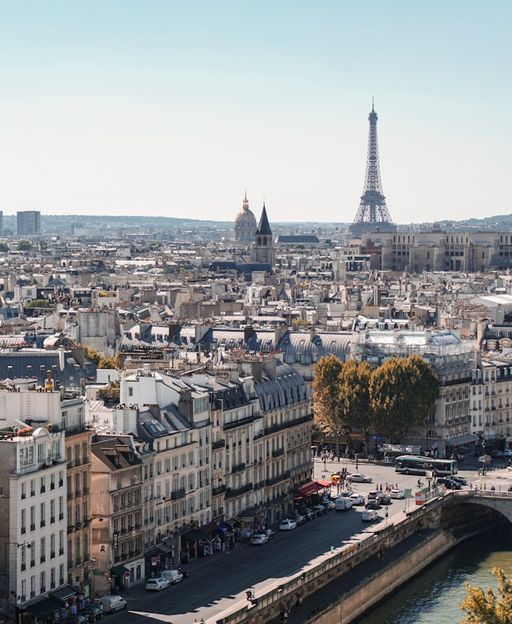
For much of the 20th century, Bordeaux had a reputation as a beautiful but slightly dull city — grand 18th-century architecture, world-class wine, and not much else. Then came a 15-year urban transformation project that pedestrianised the riverfront, opened the Cité du Vin (a remarkable global wine museum), and turned a somewhat neglected city into one of France’s most liveable and visitable destinations.
The result is extraordinary: a UNESCO World Heritage–listed centre with over 350 historic listed buildings, a modern tram network, brilliant food markets, and yes, some of the world’s finest wine right on your doorstep.
A City of Contrasts
Bordeaux sits on the Garonne river in south-west France, roughly 90 minutes south of the Loire Valley by TGV. To the east lies the medieval village of Saint-Émilion; to the west, the Atlantic coast and the vast dunes of the Landes; to the north, the famous Médoc wine châteaux. For travellers arriving from Paris or flying in directly, it makes a natural base for exploring the south-west.
When to Visit Bordeaux
Spring (April–June) is arguably the finest time to visit. The vines are leafing out, temperatures are mild (18–22°C), and the city hasn’t yet filled with summer visitors. Wine tastings are easier to book, and the markets overflow with asparagus, strawberries, and early stone fruits.
Summer (July–August) brings heat, crowds, and higher prices. The city is lively and the Atlantic beaches are a short drive away, but accommodation should be booked well in advance. The best time to visit France guide has more detail on timing your trip across the country.
Harvest season (September–October) is magical for wine lovers. Winemakers are busy, but many châteaux run harvest experiences. Temperatures remain warm well into October and the countryside turns amber and gold.
Winter is quiet and affordable. Fewer tourists, lower hotel rates, but most wine châteaux reduce their hours or close entirely. Good for exploring the city; less ideal for countryside visits.
Getting to Bordeaux from the US
By Air
Bordeaux–Mérignac Airport (BOD) receives some international flights, but most US travellers fly into Paris Charles de Gaulle (CDG) and connect by train. The journey from CDG to Bordeaux by TGV takes around three to four hours with one change, or you can head into Paris first and take the direct train from Gare Montparnasse.
Alternatively, fly into London Heathrow and take the Eurostar to Paris, then the TGV south — particularly useful if you’re combining France with a short UK stay.
By Train from Paris
The TGV from Paris Gare Montparnasse to Bordeaux Saint-Jean takes just over two hours and is by far the most comfortable option. Trains run throughout the day; booking two to four weeks in advance through SNCF Connect or Trainline typically secures the best fares. Our guide to getting around France by train and car covers the rail network in full detail.
The Best Neighbourhoods to Explore in Bordeaux
Saint-Pierre and Saint-Michel
The medieval heart of the city, Saint-Pierre is where the old streets narrow, the restaurants get serious, and the café terraces fill up by noon. The Place du Parlement is lined with beautiful neoclassical façades; the Saint-Michel basilica towers over a neighbourhood of antique dealers and independent food shops. The Sunday flea market below the basilica’s tower is one of the city’s great informal pleasures.
The Golden Triangle (Triangle d’Or)
The grand Haussmann-style grid between the Allées de Tourny and the Cours de l’Intendance is Bordeaux’s upmarket shopping and dining district. The Grand Théâtre — one of the most elegant neoclassical buildings in France — anchors the area. Time an evening performance at the opera or ballet if you can.
Les Chartrons — The Wine Merchant Quarter
Named after the Dutch, English, and Irish wine merchants who settled here in the 18th century, Les Chartrons is now Bordeaux’s most fashionable neighbourhood. Converted cellars and quayside warehouses house wine bars, boutiques, and restaurants. The Marché des Chartrons on Sunday mornings is one of the finest food markets in the city.
Day Trips from Bordeaux
Saint-Émilion
A medieval hilltop town carved into the limestone plateau, Saint-Émilion is arguably the most beautiful wine village in France. The cave church, the monolithic Église Monolithique carved from a single rock, the cobblestone alleys, and the Merlot-dominant wines make it essential. Trains from Bordeaux Saint-Jean take 40 minutes. Plan at least half a day, ideally a full day with a lunch break in the vineyards.
The Médoc Wine Route
The Médoc peninsula stretches north of Bordeaux along the Gironde estuary, its flat landscape punctuated by famous château names: Margaux, Pauillac, Saint-Julien, Saint-Estèphe. Most visitors hire a car or join a guided wine tour. Many châteaux offer tastings year-round, but booking ahead is essential — walk-ins are rarely welcome at the grandes maisons. Our guide to the best wine regions in France has a fuller overview of what the Médoc offers alongside Burgundy, Champagne, and the other great French appellations.
Arcachon Bay and the Dune du Pilat
A one-hour drive or train journey west of Bordeaux brings you to the Bassin d’Arcachon, a vast tidal lagoon famous for its oysters, water sports, and the Dune du Pilat — the tallest sand dune in Europe at around 100 metres. The view from the top across the Atlantic pine forests is extraordinary, and the dune itself is unlike anything else in France. Combine with fresh oysters and a glass of dry Bordeaux white at one of the oyster huts at Cap Ferret for one of south-west France’s great half-day experiences.
What to Eat and Drink in Bordeaux
Bordeaux cuisine is rooted in the produce of the Garonne valley and the Atlantic coast. Key dishes and local specialities to seek out:
- Entrecôte à la Bordelaise — rib-eye steak with a classic shallot, bone marrow, and red wine sauce; the city’s signature dish
- Canelés — small, fluted pastries with a deeply caramelised crust and a rum-and-vanilla custard centre; sold in every boulangerie and pâtisserie
- Huîtres (oysters) — from the Arcachon basin, eaten with rye bread, lemon, and a glass of dry white Graves or Bordeaux Blanc
- Lamproie à la Bordelaise — river lamprey cooked in red wine; an ancient local dish that divides visitors but is worth trying at least once for the experience
For wine, the Cabernet Sauvignon-dominant reds of the Médoc and the Merlot-rich wines of Saint-Émilion are the headline acts, but don’t overlook the dry whites of Pessac-Léognan or the great sweet wines of Sauternes and Barsac, best enjoyed with foie gras or Roquefort. For a broader view of French food culture, our guide to what to eat in France is a good starting point.
How Long to Spend in Bordeaux
Three days is the minimum to do the city justice — one day for the centre, one day for Saint-Émilion, and one day for either the Médoc or the Atlantic coast. Five days is ideal if you want to explore wine country more deeply, or if you’re combining Bordeaux with the Dordogne valley to the east, which is just over an hour by car and an entirely different but equally compelling experience.
Bordeaux Travel Guide: Planning Essentials
A few practical points to factor into your planning:
- Getting around the city: Bordeaux’s tram network covers most central attractions. The city is also flat and excellent for cycling — rental bikes are available throughout the centre.
- Wine château visits: Most prestigious estates require advance booking. The tourist office on the Cours du XXX Juillet can arrange tours and tastings across the region.
- Crowds at Saint-Émilion: In peak summer, the village becomes very busy. Go mid-week if possible and aim to arrive early in the morning.
- Currency: Euros. Card payment is widely accepted throughout the city, including at most wine estates and markets.
- Language: French is the first language. A few words of French are always appreciated, but English is widely spoken in hotels, restaurants, and tourist areas.
You Might Also Enjoy
- The Best Wine Regions in France to Visit — From Bordeaux and Burgundy to Champagne and Alsace, a guide to planning a wine-focused trip through France.
- How to Get Around France: Train, Car, and Practical Tips — Everything you need to know about travelling between cities and regions in France.
- What to Eat in France: A Food Lover’s Guide — From brasserie classics to regional specialities, the essential dishes to try across France.
Plan Your France Trip
Ready to start planning? Our France Trip Planning Hub brings together everything you need — from itineraries and budgets to transport tips and region guides — all in one place. Whether Bordeaux is your only stop or part of a wider France trip, it’s the best place to begin.
Love France? So do 7,000 of us.
Every week, our free newsletter delivers hidden gems, seasonal guides, local stories, French recipes, and the art of la vie française — straight to your inbox. Join the community that loves France as much as you do.
Subscribe Free — Get the Newsletter →
Love Ireland too? Join 65,000 Ireland lovers → · Love Scotland? Join 43,000 readers →
Leave a Reply