
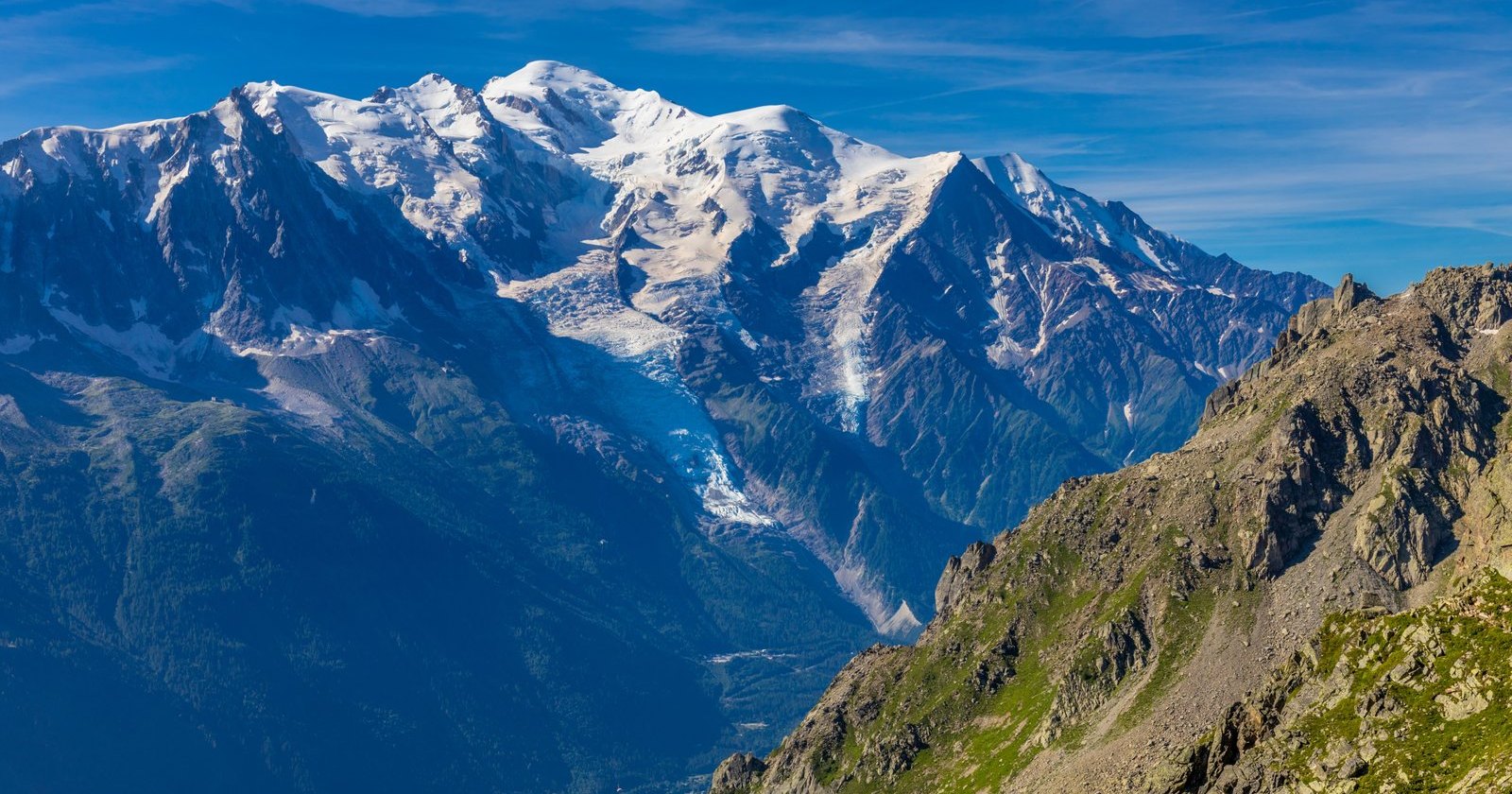
This Chamonix travel guide shows you how to plan a trip to the foot of Mont Blanc, the highest peak in the Alps. Chamonix sits in a deep valley in south-east France, close to the Italian and Swiss borders. It works as a base for cable cars, glacier views and mountain walks in summer. It works just as well for skiing in winter.
Love France? Join 7,000+ readers on our free newsletter → lovetovisitfrance.substack.com
Why Chamonix Belongs on Your France Plan
Most first trips to France focus on Paris, the Riviera and the chateaux. The Alps often get left out. That is a shame, because Chamonix gives you a different side of the country. Here the scenery is rock, ice and pine forest, and the villages are built of wood and stone.
The town has a proud mountaineering history. Two local men, Jacques Balmat and Michel-Gabriel Paccard, made the first recorded climb of Mont Blanc in 1786. In 1924 Chamonix also hosted the first Winter Olympic Games. You can feel that heritage in the old climbing shops, the statues in the town centre and the guides’ office near the church.
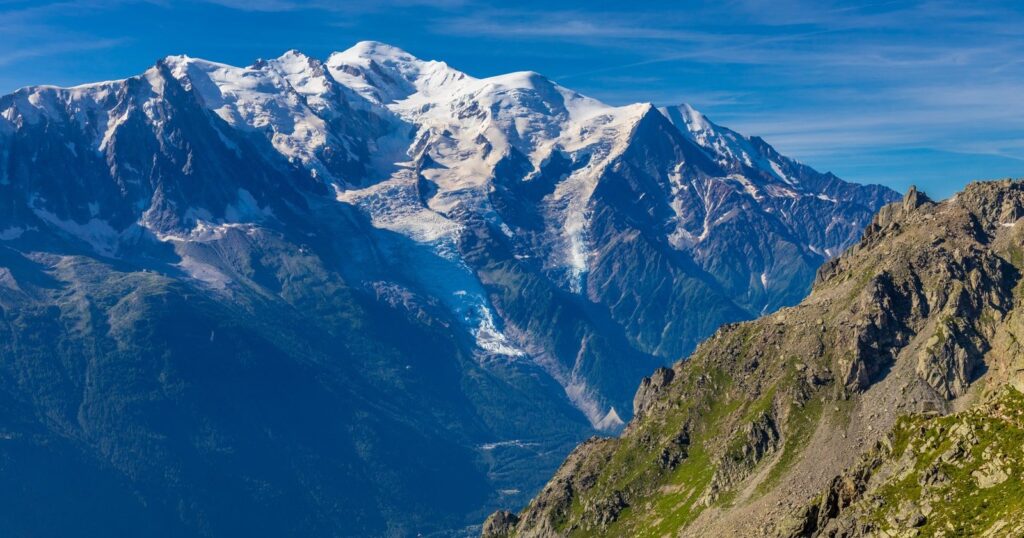
Mont Blanc rises to about 4,800 metres. The town itself sits at around 1,000 metres. That drop of almost 4 kilometres is what makes the views so dramatic. Even on a short visit, you can look straight up at the snow from a café table.
How to Get to Chamonix
By Air and Road
Most visitors fly into Geneva in Switzerland. The transfer to Chamonix takes roughly 90 minutes by road. Shared shuttles and hire cars both run this route. Lyon is a longer drive, so Geneva is the simpler choice for most people.
The Mont Blanc Tunnel links Chamonix with Courmayeur in Italy. It runs for about 11.6 kilometres under the mountain. Road conditions and tunnel access can change, so check the latest news before you drive.
By Train
You can reach the valley by rail from Paris and Lyon, with a change near Saint-Gervais. The final stretch is a scenic mountain line. Book through the national rail operator and check timetables close to your travel date. Our guide to travelling France by train explains how the system works.
The Big Sights Above the Town
Aiguille du Midi
The Aiguille du Midi is the headline attraction. A cable car climbs from the valley to a rocky spire at 3,842 metres. The ride takes you up in two stages, with a change at the mid-station of Plan de l’Aiguille. At the top, viewing terraces look across Mont Blanc and a sea of peaks. A glass box called Step into the Void hangs over the drop.
Go early. Mornings usually bring clearer skies and shorter queues. Pack warm layers and sunglasses, because the air is thin and cold even in July. Check live conditions and tickets with the operator, Mont Blanc Natural Resort, before you set out.
Mer de Glace and the Montenvers Railway
The Mer de Glace is one of France’s largest glaciers. A red rack railway has carried visitors up to the Montenvers viewpoint since 1908. From the station you look down on a wide river of ice flanked by granite walls. The glacier has shrunk over recent decades, and signs along the path show how high the ice once stood. It is a quiet, thoughtful stop.
The railway also runs from the town centre, so you do not need a car. Allow half a day with time at the top.
Walks and Hikes Around Chamonix
Chamonix is a walker’s paradise. Marked paths cover the valley floor and climb to high viewpoints. Lifts save you the first steep climb, so even casual hikers can reach good scenery.
Lac Blanc
Lac Blanc is the classic day walk. You start from the La Flégère lift station and climb for about two hours. The reward is a small mountain lake at roughly 2,350 metres, with Mont Blanc reflected in the water on calm mornings. The path is rocky in places. Wear proper boots and carry water.
Easy Valley Paths
If you prefer gentle walking, follow the flat trails beside the River Arve. You can also take the paths through the forest to the Bois du Bouchet. These routes suit families and anyone with tired legs after a big hike day.
Tour du Mont Blanc
The Tour du Mont Blanc is a long-distance trail of around 170 kilometres. It loops round the massif through France, Italy and Switzerland. Most walkers complete it in 10 to 12 days. You do not have to do the whole thing. Short sections make excellent day walks. Our article on the best view of Mont Blanc from the French Alps shows where to find the finest outlooks.
Want more French mountain stories? Get our free weekly email on France’s hidden corners. Join free →
Winter in Chamonix
The ski season usually runs from December into April. The valley has several linked areas rather than one big ski circus. Each area has its own character. Some suit beginners, and others attract experienced skiers who want steep, high terrain.
Non-skiers can still enjoy the season. You can walk through the snowy town, ride the lifts for views and warm up in a mountain restaurant. Look for local dishes such as tartiflette, a baked mix of potatoes, bacon, onion and reblochon cheese. Savoyard fondue is another favourite after a cold day.
The Best Time to Visit Chamonix
Summer, from late June to early September, suits walking and cable car trips. Paths are mostly clear of snow, and the days are long. This is also the busiest period, so book rooms early.
Early autumn is a smart alternative. The crowds thin, the larch trees turn gold and the light is soft. Some lifts and huts close for the season, so check opening dates with the Chamonix tourist office. For a wider view of the year, see our guide to the best time to visit France.
Where Chamonix Fits in a Wider Alps Trip
Chamonix pairs well with other Alpine stops. Annecy lies a short drive west and offers a lake, a canal-lined old town and an easy-going pace. Read our Annecy travel guide to plan that leg. For the bigger picture, our French Alps travel guide compares the main regions. If the mountain-guide story interests you, read about the French valley that gave the world its first mountain guides.
Practical Tips Before You Go
- Layer up. Temperatures fall fast as you climb. A town afternoon can feel warm while the summit is below freezing.
- Check the weather daily. Mountain cloud can hide the views. Choose your big cable car day by the forecast.
- Book key tickets ahead. Popular lifts sell out in peak season. Use the official operator sites only.
- Respect the mountain. Stay on marked paths and turn back if the weather changes.
- Allow three nights. That gives you time for one high-altitude trip, one hike and one slow day in town.
You Might Also Enjoy
Plan Your France Trip
Ready to build your journey? Our France trip planning hub brings our best guides together in one place.
Is Chamonix worth visiting in summer?
Yes. Summer gives you open hiking trails, long days and full cable car access. Book rooms early because it is the busiest season.
How many days do you need in Chamonix?
Three nights is a good plan. That gives you one cable car day, one hiking day and a slower day in town.
How do you get to Chamonix from Geneva?
The easiest way is a shuttle or hire car, which takes roughly 90 minutes. Trains also serve the valley, with a change along the way.
Can you see Mont Blanc without hiking?
Yes. The Aiguille du Midi cable car and the Montenvers railway both give big views with no hard walking. Pick a clear morning for the best results.
Join 7,000+ France Lovers
Every week, get France’s hidden gems, local recipes, and travel inspiration — the kind you won’t find in any guidebook.
Subscribe free — enter your email:
Free forever · One email per week · Unsubscribe anytime

Leave a Reply