
Every autumn, a peculiar fog drifts in from the Ciron river. It settles across the vines of a small corner of Bordeaux before noon. By afternoon, the sun burns it away. Over weeks, this pattern creates something entirely unique in the wine world.
Welcome to Sauternes — where winemakers pray for a fungus.
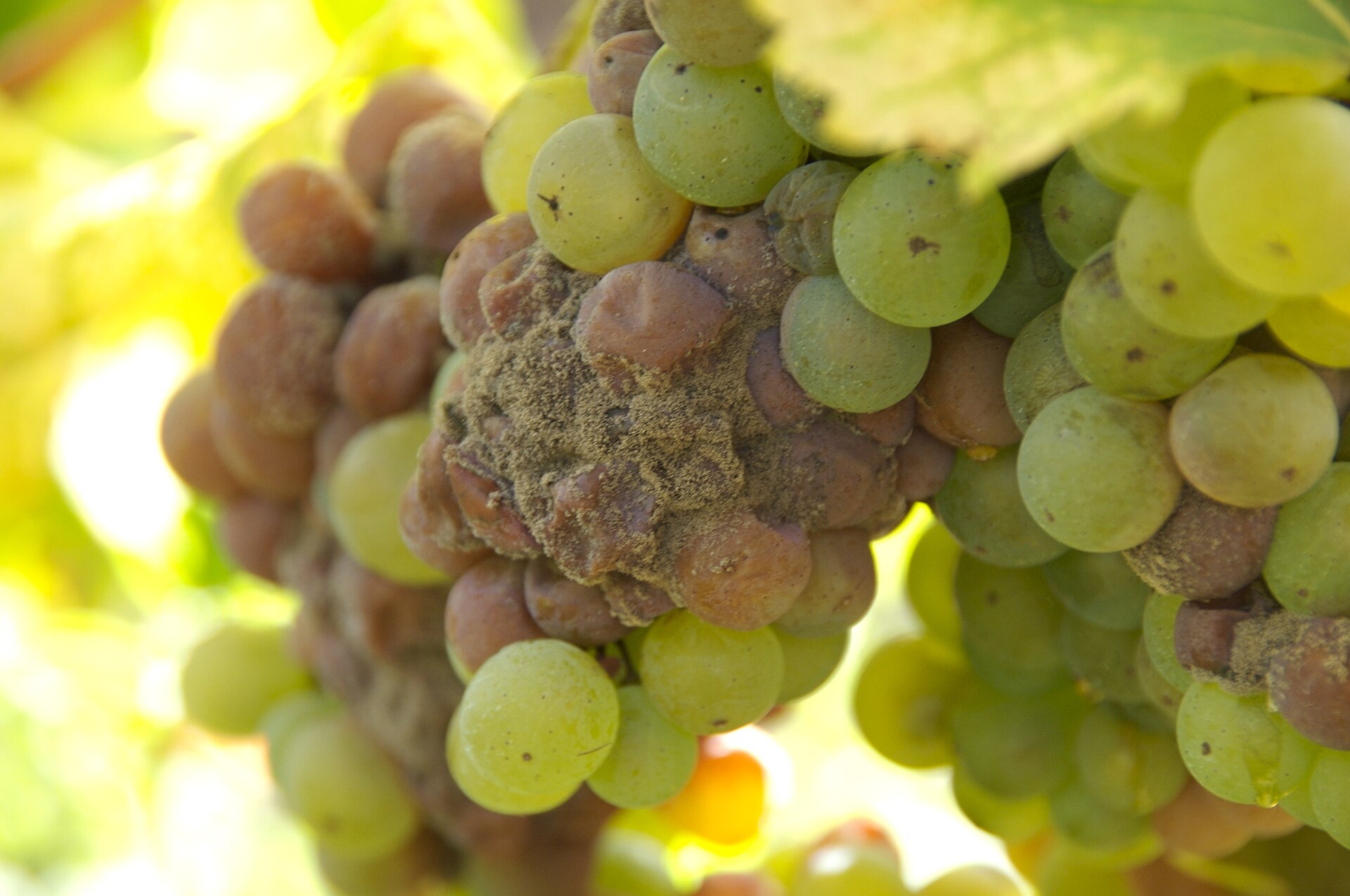
What Noble Rot Actually Does to a Grape
Winemakers know this fungus as Botrytis cinerea, and in most vineyards it destroys crops. But in Sauternes, the combination of morning humidity and afternoon sun creates perfect conditions for a different kind of botrytis — one the French call pourriture noble, or noble rot.
This mould coats the grape skin and punctures it with tiny holes. Water slowly evaporates through those holes. The grape shrinks, shrivels, and turns a blotchy greyish-brown. It looks ruined. It smells of mushrooms and damp earth.
But inside, the sugars, acids, and flavour compounds concentrate to extraordinary levels. The result is a wine of staggering richness — honeyed, golden, and like nothing else France produces.
The Harvest: One Grape at a Time
Pickers harvest each affected grape by hand, one by one. They move through the vineyard multiple times across the season, selecting only grapes at exactly the right stage of noble rot.
Workers call each harvesting pass a trie. A vineyard might require eight to ten tries across several weeks. A single vine might yield enough juice for just one glass of wine.
This is why Sauternes costs what it costs. And this is why it tastes like nothing else.
Five Villages, One Extraordinary Wine
Sauternes is small. The entire appellation covers just five villages: Sauternes, Barsac, Bommes, Fargues, and Preignac. Together, they produce one of the most distinctive wines in the world.
The landscape is gentle — soft hills, sandy soils, and ancient châteaux surrounded by rows of vines. The Ciron, a small cold tributary of the Garonne, runs along the edge of the appellation. Its cold water meeting the warmer Garonne creates the early-morning mist that noble rot depends on.
Not every vintage works. In dry years, botrytis doesn’t develop, and producers make little or no Sauternes. In bad years, the mould turns destructive before it concentrates the sugars. The perfect year is rare. When it arrives, the results can last a century in the bottle.
Enjoying this? 7,000 France lovers get stories like this every week.
Thinking about it for retirement? If you’ve started thinking seriously about retiring there, our complete our full Retire in France guide covers the visa, healthcare, cost-of-living, and the regions worth shortlisting.
Château d’Yquem: The Wine the World Competes For
No estate defines Sauternes more than Château d’Yquem. Writers rank it among the greatest wines in the world. Thomas Jefferson ordered cases of it. Russian tsars served it at state banquets.
The 1855 Bordeaux classification created only one Premier Cru Supérieur designation across all of Sauternes — and gave it to Yquem alone. In exceptional vintages, a single bottle sells for thousands of pounds.
The estate’s owners have always refused to compromise. In off years, they sell their grapes rather than bottle under the Yquem name. The standards are that strict.
You can visit Château d’Yquem — but book well in advance. Tours fill up months ahead, especially in harvest season.
The Other Châteaux Worth Seeking Out
Yquem takes all the headlines, but dozens of other estates produce wines of remarkable quality.
Château de Budos
A ruined 14th-century castle right in the appellation, surrounded by working vines. It’s free to explore and one of the most romantic spots in all of Bordeaux wine country.
Château Coutet
One of the top Premier Crus in Barsac, producing wines with a slightly drier, more mineral style than the Sauternes communes. The estate welcomes visitors by appointment.
Château Climens
The estate works entirely with biodynamic methods — an unusual commitment in Bordeaux — and produces Barsac wines of great elegance and precision.
If you plan a wider wine trip, pair Sauternes with the nearby Graves region. Our Bordeaux Travel Guide covers the city and its surrounding wine country in full detail. And for planning a broader trip to France, our France trip planning hub covers everything from regions to rail passes.
Visiting Sauternes: The Practical Bit
Sauternes sits about 40 kilometres south-east of Bordeaux city. Most visitors reach it by car in under an hour. The village itself is tiny — a church, a handful of estates, and the cooperative where visitors can taste wines without a prior booking.
Most châteaux require reservations for tastings, particularly the grander estates. Book two to three weeks ahead in high season. During October harvest, book further ahead still.
Budget at least half a day to explore the villages, walk the vineyards, and taste properly. The landscape alone repays the drive.
Frequently Asked Questions
What is the best time to visit Sauternes?
Late September through October is harvest season. Visitors see pickers moving through the vines and catch the harvest energy up close. Spring and early summer offer quieter visits with the previous vintage still ageing in the cellars.
How should you serve Sauternes wine?
Serve it well-chilled, around 8–10°C. The French drink young Sauternes with foie gras or blue cheese. Older vintages pair beautifully with fruit-based desserts or on their own after dinner as a digestif.
Is Sauternes worth visiting if you don’t drink wine?
Yes. The landscape of ancient châteaux, soft hills, and immaculate vineyard rows is beautiful in its own right. The Château de Budos medieval ruins sit inside the appellation and are completely free to explore.
How long does a bottle of Sauternes last?
Premium Sauternes from great vintages can age for 50 years or more. Winemakers design the wines to develop complexity over decades. An entry-level Sauternes drinks well within five to ten years of bottling.
The fog rolls in again at dawn over the Ciron. The mould spreads quietly across another season’s harvest. Somewhere in Sauternes, a winemaker holds a wizened grape to the light — and smiles.
Join 7,000+ France Lovers
Three times a week, get France’s hidden gems, seasonal guides, local stories, and the art of la vie française — straight to your inbox.
Subscribe free — enter your email:
📲 Know someone who’d love this? Share on WhatsApp →
Love more? Join 65,000 Ireland lovers → · Join 43,000 Scotland lovers → · Join 29,000+ Italy lovers →
Free forever · Unsubscribe anytime
🇫🇷 You Might Also Love
Tours & experiences you might love


Powered by Viator. Some links are affiliate links — we may earn a small commission at no extra cost to you.

Leave a Reply