
Those famous purple fields filling your Instagram feed every July? Most of them aren’t lavender at all. France has quietly replaced its true lavender with something else — and the real harvest is happening somewhere far less photographed.
What You’re Actually Looking At
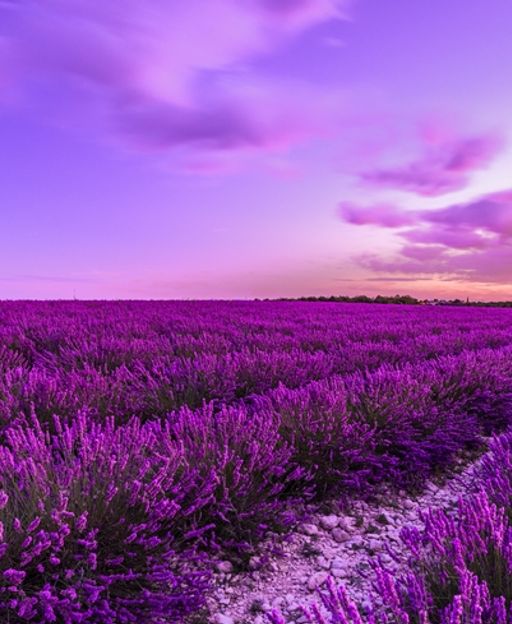
The Valensole plateau is the most-photographed lavender landscape in France. Rolling rows of purple stretch to the horizon. Every travel magazine uses it. Every drone pilot flies it.
But the plant in most of those photos is lavandin. It’s a hybrid — a cross between true lavender and spike lavender. Farmers developed it after World War Two when demand for lavender oil exploded and true lavender couldn’t meet it.
Lavandin grows on the plains. It tolerates heat and disease far better than the original. A single hectare produces five times more essential oil. Machines harvest it in a few hours. Economically, it made perfect sense.
By the 1980s, lavandin covered more than 90% of Provence’s lavender fields. The transformation happened so gradually that most visitors never noticed the difference.
Why True Lavender Needs Altitude
True lavender — lavande fine — grows only above 800 metres. The plant demands cool nights, poor limestone soil, and altitude. Below that threshold, it struggles and produces very little oil worth distilling.
The high plateaux of Haute-Provence hold the last strongholds of genuine lavande fine. The Vaucluse mountains around Sault, the hills above Banon, the ridges near Ferrassières — these are the places where the original still grows.
Farmers here planted their fields in an era before lavandin existed. Some of those fields belong to families that have worked the same rows for three generations. True lavender takes three or four years to reach its first real harvest. Nobody plants it for quick returns.
The Smell That Gives It Away
Rub a stem of true lavender between your fingers and the oil feels different. It’s softer, delicate, with a slightly medicinal note and none of the sharpness that lavandin carries.
Lavandin oil contains camphor. It suits cleaning products, cheaper cosmetics, and mass-market sachets. But it lacks the complexity of the original.
True lavande fine built the foundations of haute parfumerie for decades. The beekeepers of Haute-Provence still use it to produce a honey so pale and delicate it barely looks like honey at all.
A 30ml bottle of pure lavande fine essential oil at a farm gate costs between eight and fifteen euros. A bottle priced below that almost certainly contains lavandin.
Enjoying this? 7,000 France lovers get stories like this every week.
Thinking about it for retirement? If you’ve started thinking seriously about retiring there, our complete our full Retire in France guide covers the visa, healthcare, cost-of-living, and the regions worth shortlisting.
Where the Real Harvest Still Happens
The village of Sault sits at 1,100 metres. Farmers around it still cultivate lavande fine using hand scythes or small mechanical cutters that follow the traditional method.
Harvest happens in July, but the cutters start at sunrise. Essential oils concentrate in the plant overnight and the heat of mid-morning burns them off fast. The work begins before the light turns harsh and finishes before noon.
The Ferrassières cooperative distillery opens its doors in July and August. Visitors watch copper stills turn cut lavender into oil. The smell inside is humid, sweet, and layered — nothing like the lavandin fields on the plains below.
Sault holds its lavender festival on the first weekend of August. Distillers bring bottles to sell. Farmers bring bundles cut that morning. The festival is small and unhurried in a way the Valensole plateau, full of coaches by 9am, never will be.
Planning Your Visit to the Real Lavender Fields
The Route de la Lavande stretches 250 kilometres through Haute-Provence, linking distilleries, farms that welcome visitors, and high plateau villages. Drive it in July, arrive early, and ask specifically for lavande fine products rather than lavandin.
The Abbaye de Sénanque near Gordes is one of the most photographed scenes in France — a 12th-century Cistercian abbey surrounded by purple rows. The monks grow lavande fine. The field is small, but the scene is completely real.
For timing your trip around the full season, the complete guide to Provence’s lavender season covers when each region peaks and what conditions to expect. The broader Provence travel guide pairs well with it for planning a full trip.
If you’re thinking about how to fit Provence into a wider France trip, the France planning hub is a good place to start.
When is the best time to see lavender in Provence?
True lavande fine blooms in July, peaking in mid-July around Sault and the high Vaucluse plateau. Lavandin on the Valensole plains peaks slightly later, from mid-July through early August. For the best chance of seeing both, plan for the second and third weeks of July.
What is the difference between lavender and lavandin in Provence?
True lavender (lavande fine) grows above 800 metres and farmers harvest it by hand or with small scythes. Lavandin is a plains-grown hybrid with stronger camphor notes, five times the oil yield per hectare, and machine harvesting. Most Provence lavender fields contain lavandin rather than true lavender.
Where can you buy real lavande fine in Provence?
Look for farms and distilleries around Sault, Ferrassières, and Banon. Products labelled “lavande fine” or “lavande vraie” contain the real oil. Expect to pay eight to fifteen euros for a small bottle of pure essential oil at the farm. Market stalls selling lavender sachets for one or two euros are almost always selling lavandin blends.
Arrive in Sault on a July morning, early enough to find a farmer still working the rows with a hand scythe. The scent reaches you before you understand what you’re seeing. It’s quieter than the Valensole plateau, less expected, and more honestly Provençal.
Join 7,000+ France Lovers
Three times a week, get France’s hidden gems, seasonal guides, local stories, and the art of la vie française — straight to your inbox.
Subscribe free — enter your email:
📲 Know someone who’d love this? Share on WhatsApp →
Love more? Join 65,000 Ireland lovers → · Join 43,000 Scotland lovers → · Join 29,000+ Italy lovers →
Free forever · Unsubscribe anytime
🇫🇷 You Might Also Love
Tours & experiences you might love


Powered by Viator. Some links are affiliate links — we may earn a small commission at no extra cost to you.

Leave a Reply