
France is one of the most visited countries on earth — and for good reason. From the café-lined boulevards of Paris to the lavender fields of Provence, it offers an extraordinary range of experiences. But before you book those flights, there is one question that deserves an honest answer: how much does a trip to France cost?
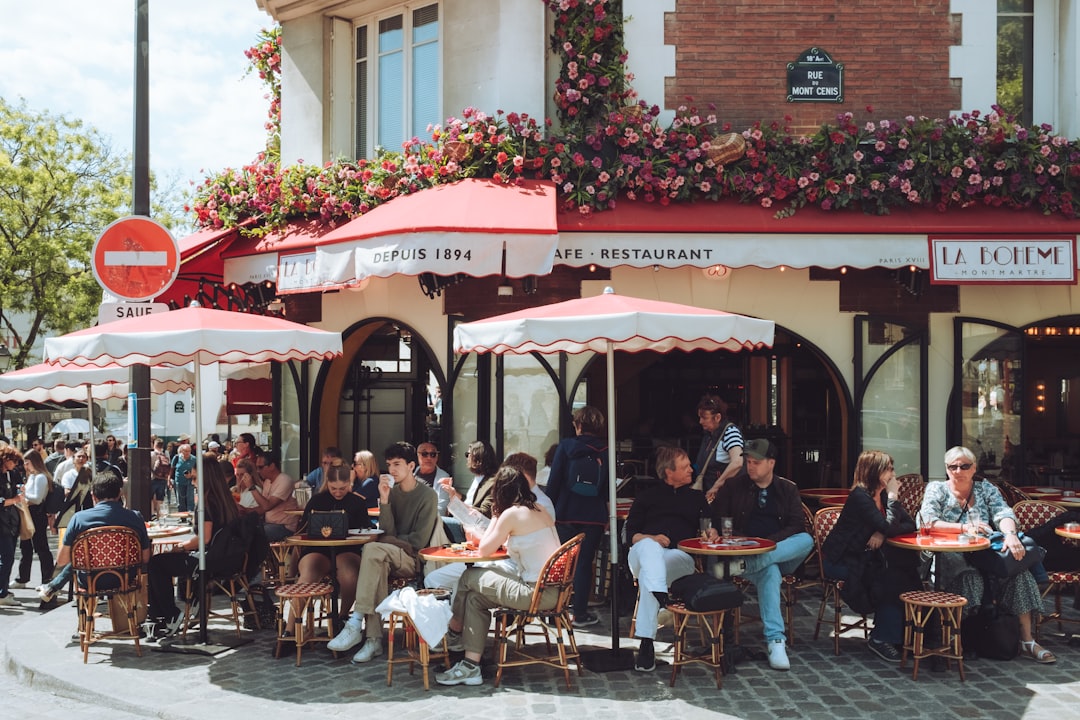
The truth is that France can be as affordable or as extravagant as you choose. A well-planned trip on a modest budget is entirely achievable, while those seeking luxury will find no shortage of ways to spend. In this guide, we break down every major cost category — flights, accommodation, food, transport, attractions — and give you realistic daily budgets for three different traveller types.
Planning your first trip? Start with our Complete France Planning Hub for step-by-step guidance.
Flights to France
Your biggest single expense is likely the flight, and prices vary enormously depending on where you are travelling from, when you book and which airport you use.
From the United States
Return flights from the US East Coast to Paris typically range from $450–$750 in economy class. From the West Coast, expect $600–$1,000. Budget carriers like Norse Atlantic and French Bee can bring fares below $400 return if you book well in advance and travel in the shoulder season (April–May or September–October).
If you are flexible on dates, midweek departures (Tuesday and Wednesday) consistently offer the best fares. Booking 8–12 weeks ahead tends to hit the sweet spot between availability and price.
From the UK and Ireland
🇫🇷 Discover the France Most Tourists Never Find
Get our free guide to 25 hidden villages of France — then join 7,000+ readers for weekly stories about places most guidebooks never mention.
Get Your Free Village Guide →Budget carriers such as Ryanair and easyJet offer return flights from London to Paris from as little as £30–£80. The Eurostar from London St Pancras starts at around £52 return if booked early, and takes just 2 hours 15 minutes — often cheaper and more convenient than flying when you factor in airport transfers.
Accommodation: What to Expect at Every Price Point
Where you stay shapes your overall budget more than almost any other factor. France has options for every wallet.
Budget (under €60/night)
Hostels in Paris run €25–€45 per night for a dorm bed. Outside of Paris, you will find excellent hostels and budget guesthouses for €20–€35. Camping is hugely popular in France — quality campsites with facilities cost €15–€30 per night for a pitch, and many offer mobile homes from €40.
Gîtes de France (self-catering rural cottages) are a wonderful budget option for families or groups, often costing €50–€80 per night for a property sleeping four to six.
Mid-Range (€80–€180/night)
A comfortable 3-star hotel in Paris costs €100–€180 per night, while the same quality in Provence, Brittany or the Loire Valley will be €80–€130. Boutique B&Bs (chambres d’hôtes) are often the best value in this bracket, offering characterful rooms with breakfast included for €90–€140.
Luxury (€200+/night)
Paris is home to some of the world’s finest hotels. A night at a 5-star property starts at €300–€500 and can easily exceed €1,000 at palace-rated establishments like Le Bristol or the Ritz. In the countryside, luxury châteaux hotels and vineyard estates typically charge €200–€400 per night — often extraordinary value for the experience.
Food and Drink: From Boulangeries to Bistros
France is a country where eating well is a way of life, and the good news is that doing so need not be expensive.
Budget Eating
A fresh baguette from a boulangerie costs €1.10–€1.50. A pain au chocolat or croissant is €1.20–€1.80. For lunch, look for the formule or menu du jour — a set two or three-course meal offered by most bistros and restaurants for €14–€20. This is genuinely one of the best food bargains in Europe.
Supermarkets like Carrefour, Monoprix and Lidl are excellent for picnic supplies. A baguette, cheese, charcuterie and a bottle of decent wine can be assembled for under €10.
Mid-Range Dining
Dinner at a good bistro in Paris typically costs €25–€45 per person including a glass of wine. Outside the capital, the same quality meal runs €18–€35. Wine by the glass starts at €4–€7 in most establishments.
Fine Dining
A Michelin-starred lunch menu starts at surprisingly reasonable €35–€65 for a set menu — far less than the equivalent in London or New York. Dinner at a top-tier restaurant will be €100–€250+ per person.
Tipping in France
Service is included in all restaurant bills in France (service compris). Tipping is not expected, though it is customary to leave €1–€2 at a café or 5–10% at a restaurant if the service was particularly good. There is no obligation whatsoever.
Coffee Culture
An espresso (un café) at a bar costs €1.50–€2.50. Sit at a terrace table and expect to pay €3–€5 — you are paying for the view and the people-watching, and it is worth every centime.
Getting Around France
France has superb transport infrastructure, but costs vary significantly depending on how you choose to travel.
High-Speed Rail (TGV)
The TGV network connects major cities at up to 320 km/h. Booked early, fares are remarkably good:
- Paris–Lyon: from €19 (2 hours)
- Paris–Marseille: from €25 (3 hours 15 minutes)
- Paris–Bordeaux: from €29 (2 hours)
- Paris–Strasbourg: from €19 (1 hour 45 minutes)
Book on SNCF Connect as early as possible — fares triple or quadruple at peak times and for last-minute bookings. The SNCF Max subscription (€79/month) offers unlimited TGV travel for under-27s.
Car Hire and Driving
Car hire starts at around €25–€40 per day for a small car. Petrol (essence) costs approximately €1.75–€1.90 per litre. The major hidden cost is motorway tolls (péages) — a drive from Paris to Nice will set you back around €75–€85 in tolls alone. The website autoroutes.fr lets you calculate toll costs in advance.
For exploring the countryside — particularly Provence, the Dordogne or Normandy — a car is genuinely invaluable and often works out cheaper than trains for groups of two or more.
Paris Metro
A single ticket costs €2.15. A carnet of 10 tickets is €16.90. The best value for visitors is the Navigo Easy card, loaded with a weekly pass (€30.75) covering all zones including CDG airport transfers. The Paris metro is one of the world’s great bargains — it goes virtually everywhere.
Attractions and Museums
France is rich in cultural treasures, and entrance fees are moderate by international standards.
Paris Museums
- Louvre: €22
- Musée d’Orsay: €16
- Versailles (estate): €21
- Eiffel Tower (summit): €26.80
The Paris Museum Pass is excellent value if you plan to visit multiple sites: €62 for 2 days, €77 for 4 days, or €92 for 6 days. It covers 60+ museums and monuments, and — crucially — lets you skip ticket queues at major sites.
Under-26 EU/EEA residents get free entry to all national museums and monuments. Even non-EU visitors under 18 enter free at most national museums.
Outside Paris
Many regional attractions are surprisingly affordable. The Loire Valley châteaux charge €10–€15 each, or you can buy multi-château passes. The Mont-Saint-Michel abbey is €11. The D-Day beaches and memorials are often free or under €10.
France’s national parks and natural sites — the Calanques, the Gorges du Verdon, the Camargue — are entirely free.
Daily Budget Breakdown
Here is what a realistic daily budget looks like for each traveller type, based on a trip outside of peak season.
Budget Traveller: €60–€90 per day
| Category | Daily Cost |
|---|---|
| Accommodation (hostel/camping) | €25–€40 |
| Food (markets, boulangeries, formule lunch) | €20–€30 |
| Transport (regional trains, buses) | €5–€10 |
| Attractions | €5–€10 |
| Total | €60–€90 |
A one-week budget trip to France (excluding flights) costs roughly €420–€630.
Mid-Range Traveller: €150–€220 per day
| Category | Daily Cost |
|---|---|
| Accommodation (3-star hotel/B&B) | €90–€140 |
| Food (café breakfast, restaurant lunch & dinner) | €40–€55 |
| Transport (TGV, metro, occasional taxi) | €10–€20 |
| Attractions (museum pass, guided tours) | €15–€25 |
| Total | €150–€220 |
A one-week mid-range trip costs roughly €1,050–€1,540 (excluding flights).
Luxury Traveller: €350–€600+ per day
| Category | Daily Cost |
|---|---|
| Accommodation (4/5-star hotel, château) | €200–€400 |
| Food (fine dining, wine tastings) | €80–€120 |
| Transport (car hire, first-class rail) | €30–€50 |
| Attractions (private tours, exclusive access) | €40–€60 |
| Total | €350–€600+ |
A one-week luxury trip costs €2,450–€4,200+ (excluding flights).
When Do Prices Peak?
Timing your visit can save — or cost — you hundreds.
- Peak season (July–August): Accommodation prices rise 30–60%, flights are at their most expensive, and popular regions like the Côte d’Azur and Provence are packed. Paris, ironically, empties slightly as Parisians flee south.
- Shoulder season (April–June, September–October): The sweet spot. Warm weather, manageable crowds, and prices 20–40% lower than peak. September in Provence and the Loire Valley is perfection.
- Off-season (November–March): Lowest prices. Paris is magical in autumn. Ski resorts in the Alps are peak-priced from December to March, but everywhere else is at its cheapest.
- French school holidays (especially February half-term and Toussaint in late October) push prices up even in the off-season.
Money-Saving Tips
Fifteen years of travelling to France has taught us a few things. Here are the tips that actually make a difference:
- Eat your main meal at lunch. The formule du midi at a good restaurant is often half the price of the same quality at dinner. This is how the French themselves eat.
- Book TGV tickets the moment they go on sale (usually 4 months ahead). Early-bird Ouigo fares can be as low as €10.
- Stay outside Paris. A hotel in Montmartre or the Marais costs twice what you would pay in the 11th or 13th arrondissements — and the metro makes the whole city equally accessible.
- Get the Paris Museum Pass if you plan to visit three or more museums. The queue-skip alone justifies the cost.
- Use toll-free roads (routes nationales) when driving. They add time but save substantial money, and the scenery is invariably better.
- Shop at markets. Every French town has a weekly market with fresh produce, cheese, charcuterie and bread at excellent prices. Perfect for picnics.
- Travel in September. The best weather, the best prices, the fewest crowds. It is the ideal month for France.
- Drink the house wine. The vin de la maison or pichet (carafe) in French restaurants is typically excellent and costs a fraction of bottled wine.
So, How Much Does a Trip to France Actually Cost?
For a one-week trip including flights from the US, here are realistic all-in estimates per person:
- Budget: $1,000–$1,500 (€900–€1,350)
- Mid-range: $2,000–$3,000 (€1,800–€2,700)
- Luxury: $4,000–$6,000+ (€3,600–€5,400+)
France is not the cheapest destination in Europe, but it offers extraordinary value for money — particularly at the mid-range level. The food alone justifies the airfare.
The key to keeping costs down is simple: travel in the shoulder season, book transport early, eat at lunch, and embrace the art de vivre that makes France so irresistible in the first place.
Planning your first trip? Start with our Complete France Planning Hub for step-by-step guidance.
Prices quoted are based on 2025–2026 averages and may vary by season, location and exchange rates. All figures in euros unless otherwise noted.
Love France? So Do We.
Join our free newsletter and get the best of France — travel tips, hidden villages, food traditions, and cultural stories — straight to your inbox every week.
Free. No spam. Unsubscribe anytime.
📥 Free Download: France Travel Planning Guide
Itineraries, insider tips, and the places you must not miss on your next trip to France.
🇫🇷 You Might Also Love
Tours & experiences you might love


Powered by Viator. Some links are affiliate links — we may earn a small commission at no extra cost to you.

Leave a Reply