
The French take their summer holidays seriously. More seriously than almost any other nation on earth. Every year, in late June, something shifts across the country. Offices empty. Shutters close. Roads fill with caravans heading south. And France collectively exhales.
This is les grandes vacances — the great holidays. French summer holidays are not just time off work. They are a national ritual, a social contract, and an annual celebration of everything that makes life worth living. If you want to understand France, start here.
What Are Les Grandes Vacances?
Les grandes vacances officially begins when French schools break up in late June or early July. It runs until early September — a full two months. For many French families, this is the longest continuous break of the year.
French law guarantees five weeks of paid holiday per year. Many workers use three or four of those weeks in summer. Combine school holidays with generous leave rights, and you get an entire nation pausing at the same time.
The effect is remarkable. In August, Paris can feel half-empty. Small businesses close with handwritten signs on the door: Fermeture annuelle — août. Closed for August. Back soon.
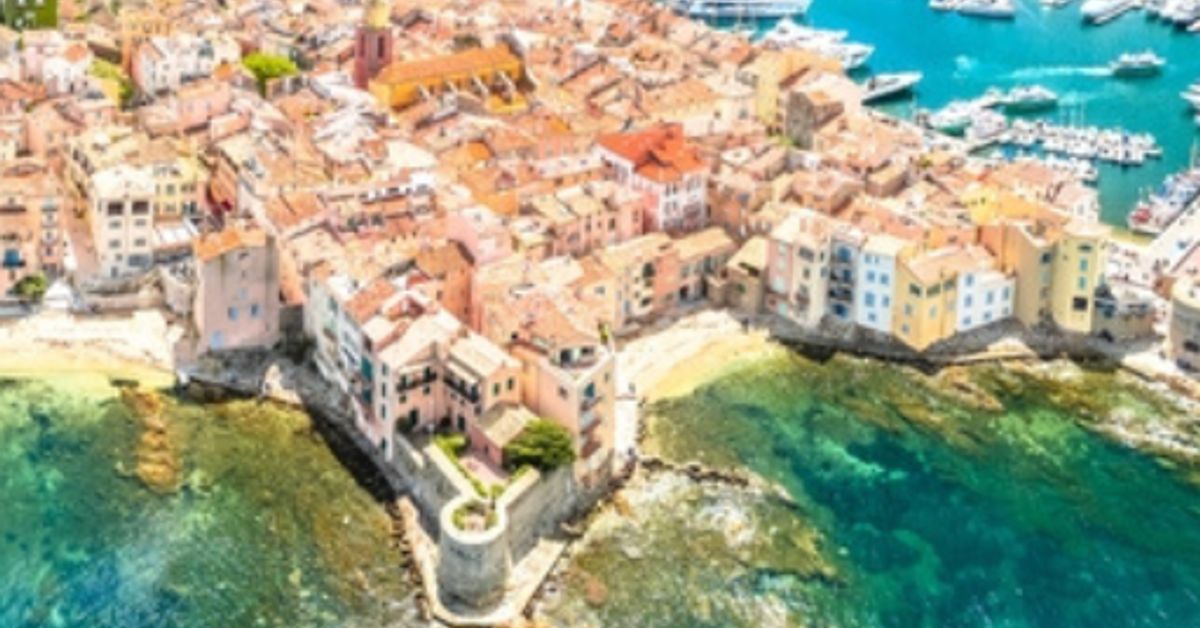
Meanwhile, the south fills up. The Atlantic coast swells. Brittany busies itself with campers and beach chairs. And the French Riviera shimmers under a blazing Mediterranean sun.
Where the French Go on Holiday in Summer
The French rarely go abroad in summer. They have everything they need at home.
The French Riviera (Côte d’Azur) draws millions every year. Nice, Cannes, Antibes, and Saint-Tropez fill with visitors from Paris, Lyon, and Bordeaux. The Riviera has warm water, excellent food, pine-scented hillsides, and a light that has inspired painters for generations.
Brittany offers the opposite. Rocky coasts, cool Atlantic breezes, and crêperies on every corner. French families have come here for generations. It is quieter, greener, and fiercely proud of its Celtic identity.
The Dordogne and Périgord attract families who want medieval villages, river swimming, and long lunches in the shade. This is la France profonde — deep France, where time moves slowly and the food is extraordinary.
Provence offers lavender fields, ochre hilltop villages, and outdoor markets full of tomatoes, olives, and fresh herbs. It is the France of postcards — and it lives up to every one of them.
The Atlantic Coast stretches from Bordeaux south to the Basque Country. Arcachon Bay, Biarritz, and the Landes coast draw surfers, sailors, and families in equal measure.
No matter the destination, the French share one philosophy: summer is for living, not just visiting.
🇫🇷 Enjoying this? 7,000 France lovers get stories like this every week.
Thinking about it for retirement? If you’ve started thinking seriously about retiring there, our complete our full Retire in France guide covers the visa, healthcare, cost-of-living, and the regions worth shortlisting.
The Art of Doing Nothing — La Farniente
One of the hardest things for Americans and Britons to grasp about French summer is the pace. Things slow right down. And that is entirely the point.
The French have a name for it: la farniente. It comes from Italian — far niente, to do nothing. The French have embraced it completely.
A French summer afternoon might look like this: lunch at one o’clock, long and leisurely. A nap after, because the heat demands it. An apéritif on the terrace at six. Dinner at eight, stretched over two hours, finishing with cheese, fruit, and a final glass of wine.
This is not laziness. It is a philosophy. The French believe summer is for restoration — body and mind. Work can wait. Life cannot.
If you want to understand why the French live longer than most of their European neighbours, look no further than the grandes vacances. Rest, good food, warm sun, and the company of people you love. That combination is medicine.
The French Morning Market
No French summer holiday is complete without the morning market. In every village, town, and city, the market (le marché) opens at dawn and fills with local life.
Farmers bring tomatoes still warm from the vine. Bakers arrive with towers of bread. Cheese sellers display wheels of Comté, rounds of chèvre, and wedges of Roquefort. Fishmongers shout the morning’s catch.
Shopping at the marché is not a chore. It is the social event of the day. You run into neighbours. You argue gently over the quality of the melons. You buy more than you planned.
By eleven o’clock, the market is done. The village square empties. The afternoon stretches ahead, full of possibility.
The Ritual of the Apéro
No French summer evening begins without the apéritif. At around six or seven o’clock, before dinner, the French gather for l’apéro.
In summer, this means outdoor tables, a cold glass of rosé or pastis, and small plates of olives, tapenade, and sliced saucisson. The conversation is easy. Nobody checks their phone. The light is golden.
The apéro is not a warm-up to dinner. It is a full social occasion. It can last two hours. It creates the mood for everything that follows.
If you visit the south of France in summer, you will likely be invited to an apéro. Accept immediately. Bring a bottle of rosé. Stay as long as the evening allows.
What to Expect If You Visit France in Summer
Visiting France in summer is wonderful — but a few things are worth knowing before you go.
Book accommodation early. The French book their holidays months in advance. Popular Riviera towns and Dordogne villages sell out by spring. If you want a good apartment in Provence in July, start looking in January.
August is quieter in cities. Paris in August is a delight for visitors. The city is less crowded than September. The heat is manageable. The parks fill with Parisians who stayed behind, reading in the shade.
Embrace the pace. Do not try to pack in ten sights per day. Pick two or three. Sit at a café for an hour in the afternoon. Watch the world pass. That is what summer in France is for.
Eat late. Dinner at seven o’clock marks you as a tourist. Eight is acceptable. Eight-thirty is local. The best restaurants fill up then.
Learn one phrase. On a le temps — we have time. The French say it constantly in summer. Make it yours for a week and see what happens.
Our France travel planning guide has everything you need to prepare for your trip.
Summer Festivals: France in Full Celebration
French summer is festival season. The country erupts with music, theatre, film, and food.
Bastille Day (14 July) is France’s national holiday. Fireworks light up every town. Locals dance in the streets. The Eiffel Tower puts on a show you will never forget.
The Festival d’Avignon is Europe’s largest theatre festival. The entire city of Avignon becomes a stage in July. Performers fill every square, courtyard, and cobbled street.
Jazz à Juan in Antibes has run since 1960. The Riviera night air, world-class jazz, and pine trees overhead make it one of the great live music experiences in Europe.
Les Chorégies d’Orange fills a 2,000-year-old Roman amphitheatre in Provence with opera. The acoustics are extraordinary. The setting is ancient.
The Tour de France ends on the Champs-Élysées in late July. The whole country watches. Even people who do not follow cycling stop to see the riders arrive in Paris.
Planning Your Own Grandes Vacances in France
You do not need to be French to take a proper French summer holiday. You just need a few key ingredients.
Pick one region and go deep. Do not try to see all of France in ten days. Pick Provence, or Brittany, or the Dordogne. Stay for a week. Shop at the local market. Eat at the same restaurant twice. Begin to feel at home.
Rent an apartment or a gîte rather than staying in hotels. A kitchen means morning coffee on your own terrace and no need to rush anywhere.
Leave the tourist trail. The best French villages are the ones nobody has quite discovered. A 20-minute drive from any famous spot, there is always a quieter village, a better view, and half the crowd.
For Francophiles with French roots, summer is also perfect for tracing your family history. The Provence surname guide and the Normandy surname guide are good starting points for those with French ancestry.
The French invented the modern summer holiday as we know it. In 1936, the Popular Front government introduced paid leave for workers. Since then, France has spent nearly a century perfecting the art of the summer break. Trust them. Go to France in summer. Slow down. Say on a le temps. And mean it.
Frequently Asked Questions About French Summer Holidays
When do French summer holidays start and end in 2026?
French school summer holidays typically begin in late June or early July and run until early September — around eight to nine weeks in total. Adult workers tend to concentrate their annual leave in July and August to match family schedules.
What is the best time to visit France in summer?
June and September are ideal for visitors. Crowds are smaller, prices are lower, and the weather is still warm and sunny. July and August are peak season — busy and brilliant, but book everything well in advance.
Is Paris worth visiting in August?
Absolutely. Paris in August is less crowded than in September or October. Many Parisians leave the city, so queues at museums are shorter and restaurants are easier to book. The parks are lovely, the weather is warm, and the city has everything open for visitors.
What do the French eat during les grandes vacances?
Summer food in France is fresh, light, and seasonal. Tomatoes, peaches, melons, and courgettes are at their peak. Rosé wine flows freely. Barbecues (grillades) are popular in the evenings, and market meals — bread, cheese, charcuterie — are eaten outdoors whenever possible.
How many weeks of paid holiday do French workers get each year?
French law guarantees a minimum of five weeks of paid annual leave for all employees. This is one of the most generous entitlements in the world, and it shapes French summer culture entirely. Most workers use three or four of those weeks during the grandes vacances.
You Might Also Enjoy
- The Art of the French Apéritif: How France Drinks Before Dinner
- Why French People Live Longer: The Secrets of the French Diet
- How to Plan a French Heritage Trip to Your Ancestral Village
Plan Your France Trip
Ready to plan your own grandes vacances? Our France travel planning hub has region guides, seasonal tips, and everything you need for a perfect French summer.
Join 7,000+ France Lovers
Every week, get France’s hidden gems, seasonal guides, local stories, and the art of la vie française — straight to your inbox.
Subscribe free — enter your email:
Love more? Join 64,000 Ireland lovers → · Join 43,000 Scotland lovers → · Join 30,000 Italy lovers →
Free forever · One email per week · Unsubscribe anytime
Tours & experiences you might love


Powered by Viator. Some links are affiliate links — we may earn a small commission at no extra cost to you.

Leave a Reply