
Paris vs Provence: Which Part of France Should You Visit First?
Paris vs Provence is one of the most common dilemmas for first-time visitors to France — and for good reason. Both are extraordinary, but they offer almost opposite experiences. Paris is the city that defined modern culture: its boulevards, museums, and café terraces have been inspiring travellers for centuries. Provence, in the sun-drenched south, is where France slows down entirely — lavender fields, hilltop villages, rosé wine at noon, and markets that have barely changed in a hundred years. Choosing between them depends on what you want from your trip, how long you have, and whether you’re ready for the glorious chaos of a capital city or the gentle rhythm of rural French life.
Love France? Join 7,000+ readers on our free newsletter → lovetovisitfrance.substack.com
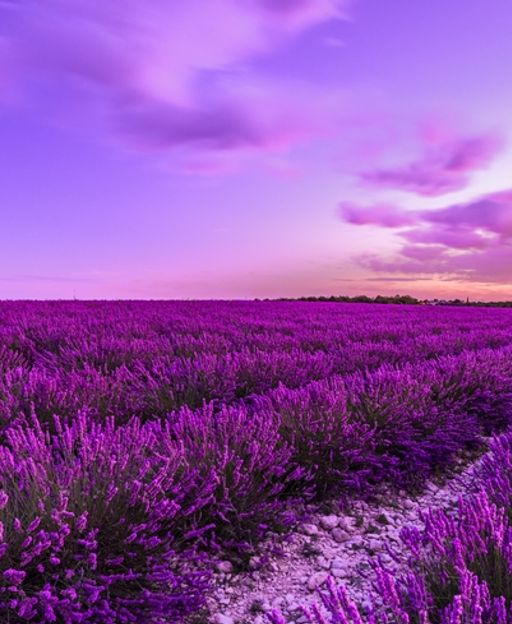
Paris: The City That Has Everything — and Demands a Lot in Return
Paris is overwhelming in the best possible way. Within a few square kilometres, you have the Louvre, the Eiffel Tower, Notre-Dame, the Marais, Montmartre, and more Michelin-starred restaurants than any city on earth. The city rewards walking, rewards arguing with, and rewards returning to again and again.
What Paris Does Brilliantly
Paris excels at spectacle and substance in equal measure. The museums alone could fill a fortnight: the Louvre displays over 35,000 works, the Musée d’Orsay holds the finest collection of Impressionist painting in the world, and the Centre Pompidou showcases one of Europe’s leading collections of modern art. Beyond the galleries, the city’s arrondissements each have a distinct personality — the literary Left Bank, the fashion-forward Marais, the village-like Montmartre.
The food scene in Paris is as democratic as it is brilliant. A croissant from a good boulangerie costs around €1.50. A proper three-course lunch at a neighbourhood bistro runs €15–20. You do not need a large budget to eat extraordinarily well here. What you do need is a willingness to queue, walk, and accept that the city runs on its own schedule.
The Honest Downsides of Paris
Paris is crowded, particularly from June to August. The main sights — the Eiffel Tower, Versailles, the Louvre — draw millions of visitors each year, and without pre-booked tickets, you will spend significant portions of your trip queuing. The city is also more expensive than the rest of France: a mid-range hotel in a central arrondissement easily reaches €180–250 per night in summer, and taxis and dining out quickly add up.
First-time visitors also sometimes find Paris emotionally demanding. It is a city with high expectations of its guests — know a few words of French, do not eat on the street, say bonjour before asking for anything — and while the famed Parisian brusqueness is largely a myth, the city does reward preparation and basic courtesy.
Provence: Where France Slows Down and Time Becomes Optional
Provence is France at its most sensory. The light here has a quality that painters have been chasing for two centuries — it is the reason Van Gogh came to Arles, the reason Cézanne painted Mont Sainte-Victoire more than sixty times. In summer, the lavender fields of the Valensole plateau bloom into seas of violet that seem almost too beautiful to be real. In spring, the hillside villages smell of wild thyme and almond blossom.
What Provence Does Brilliantly
Provence rewards slow travel. The best experiences here are not in museums or monuments but in market squares, village cafés, and winding roads through the Luberon villages. The region’s markets — particularly those in Aix-en-Provence and Isle-sur-la-Sorgue — are among the finest in France: colourful, fragrant, and genuinely local rather than tourist-facing.
The food in Provence is rich and specific: bouillabaisse in Marseille, lamb from the Crau plain, truffles from the Var, and local rosé wine that accounts for nearly 40% of all French rosé production. Eating here feels like participating in a centuries-old ritual rather than simply having a meal.
Provence also has genuine historical depth. The Roman theatre at Orange is one of the best-preserved in the world. The papal palace at Avignon dominates the skyline of a city that was, for most of the 14th century, the seat of the Catholic Church. Les Baux-de-Provence sits atop a limestone ridge as if it grew there organically.
The Honest Downsides of Provence
Provence in July and August is extremely hot — regularly above 35°C — and many of the most beautiful sites become crowded. The lavender fields peak around late June to mid-July, but this coincides with the summer school holidays across Europe, meaning accommodation prices spike and roads around Valensole can resemble car parks at weekends.
Provence also requires either a car or careful planning to navigate properly. Public transport connects the main cities adequately, but the villages that make Provence special — Gordes, Bonnieux, Les Baux — are essentially unreachable without your own wheels. A hire car is almost always the right choice here.
Plan your France trip from scratch using our complete planning hub →
Join 7,000+ France lovers — subscribe free →
Paris vs Provence: The Key Differences at a Glance
The two destinations serve fundamentally different travel styles. Paris is for the traveller who wants maximum density — culture, cuisine, architecture, nightlife — within walking distance. Provence is for the traveller who wants to decompress, eat well, drive through beautiful landscapes, and feel like they have actually stopped for a while.
Pace and Energy
Paris moves fast. The Metro runs efficiently, the streets are busy at all hours, and there is always something happening. Provence moves slowly by design — the two-hour lunch break is sacred, shops close in the afternoon, and an evening glass of pastis stretches effortlessly into the stars. Neither is better; they simply appeal to different moods and different kinds of travellers.
Budget Comparison
Paris is typically 30–40% more expensive than Provence for equivalent accommodation. A decent mid-range hotel in Aix-en-Provence or Avignon costs €100–160 per night in high season, compared to €180–250 in central Paris. Food costs are broadly similar at the lower end — a market lunch in either region runs €10–15 — but Paris’s restaurant scene extends into price ranges that Provence simply does not match.
Hiring a car in Provence adds cost, but the freedom it provides is almost always worth it. Budget €40–60 per day for a small hire car, plus fuel.
Best Time to Visit
Paris is genuinely good year-round. Spring (April–May) and autumn (September–October) offer pleasant temperatures, manageable crowds, and the city at something close to its most authentic. Summer is very busy; winter is grey but atmospheric.
Provence has a more defined sweet spot. Late May to mid-June is ideal — the lavender is approaching but not yet peak, the crowds are manageable, and the heat is warm rather than ferocious. Late September to early October is equally beautiful: the harvest fills the air with scent, the light turns golden, and the summer crowds clear away. See our guide to the best time to visit France for a full month-by-month breakdown.
Getting There and Getting Around
Paris is one of the best-connected cities in Europe. Charles de Gaulle airport receives direct flights from across North America, and the city centre is accessible via the RER B train in about 35–40 minutes. Within the city, the Métro is reliable and affordable.
For Provence, most visitors fly into Marseille Provence Airport or Nice Côte d’Azur and hire a car directly at the airport. Marseille and Avignon are both reachable by TGV from Paris in around three hours if you prefer to combine both destinations on one trip.
Should You Try to Do Both?
With two weeks, yes — absolutely. The classic approach is to spend four to five days in Paris, then take the TGV south to Avignon or Marseille and spend the remainder of your time in Provence. This gives you the best of both worlds without feeling rushed in either place.
With one week, it is more complicated. You can do Paris in five days if you are focused, but Provence in two days is genuinely unsatisfying — there is too much to see and the region’s pleasures require time to appreciate. For a one-week trip, the better choice is to commit fully to one or the other. Choose Paris if this is your first visit to France and you want iconic landmarks and a city experience. Choose Provence if you have already done Paris, if you are travelling with older children or family, or if you simply want warmth, wine, and stillness.
For a road trip combining southern France more broadly, our Provence travel guide covers everything from Avignon to the Calanques.
Frequently Asked Questions
Is Paris or Provence better for first-time visitors to France?
Paris suits most first-time visitors well: it packs the most iconic French experiences — the Eiffel Tower, the Louvre, the café culture — into a compact, walkable city. Provence makes an ideal second trip, when you want to explore France at a slower, more rural pace.
How many days do you need in Provence?
Five to seven days give you enough time to explore Avignon, the Luberon villages, the Alpilles, and the Calanques near Marseille without rushing. Aim for ten days if you also want to include the Camargue or the Gorges du Verdon.
Can you get around Provence without a car?
Trains and buses link the major cities — Marseille, Avignon, Aix-en-Provence, Arles — adequately, but reaching the region’s famous villages and lavender fields demands either a hire car or an organised day tour. A car is strongly recommended for anyone wanting to explore beyond the main towns.
What is the best month to see lavender in Provence?
The lavender fields of Valensole and the Luberon typically peak between late June and mid-July, depending on the altitude and the year’s weather. Early July is generally the safest target for full bloom, though this varies from year to year.
You Might Also Enjoy
- Provence Travel Guide: Everything You Need to Plan Your Visit
- 5 Days in Paris: The Perfect First-Timer’s Itinerary
- Best Time to Visit France: A Month-by-Month Guide
Plan Your France Trip
Whether you choose Paris, Provence, or both, the key is planning ahead — especially for accommodation in high season and timed-entry tickets for major sights. Our complete France planning hub covers everything from visas and budgeting to which regions suit different travel styles: Start Here: Planning Your Trip to France →
Join 7,000+ France Lovers
Every week, get France’s hidden gems, local recipes, and travel inspiration — the kind you won’t find in any guidebook.
Subscribe free — enter your email:
Love more? Join 64,000 Ireland lovers → · Join 43,000 Scotland lovers → · Join 30,000 Italy lovers →
Free forever · One email per week · Unsubscribe anytime
Tours & experiences you might love


Powered by Viator. Some links are affiliate links — we may earn a small commission at no extra cost to you.

Leave a Reply