Author: Love France
-
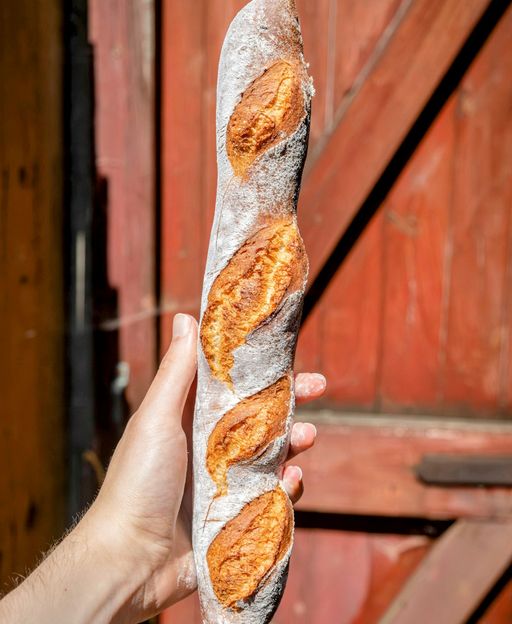
The Real Reason No French Person Ever Turns a Baguette Upside Down
The ancient reason no French person will ever turn a baguette upside down — and what the executioner has to do with it. Plus get weekly France stories free in our newsletter.
-
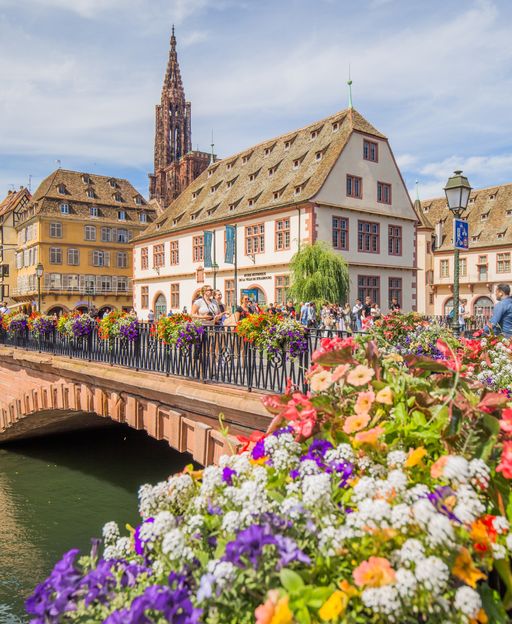
The French Region That Changed Countries Four Times — and Thrived
Alsace has changed hands between France and Germany four times in 150 years — discover the food, language, and architecture of France’s most unique region. Plus get weekly France stories free in our newsletter.
-
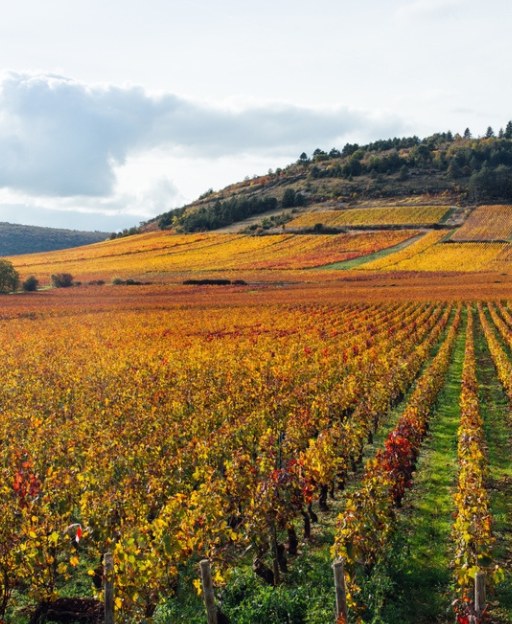
The Villages of Burgundy Where Life Has Always Followed the Vine
Life in Burgundy’s wine villages follows the vine: meet the Côte d’Or from harvest to cellar — plus get weekly France stories free in our newsletter.
-
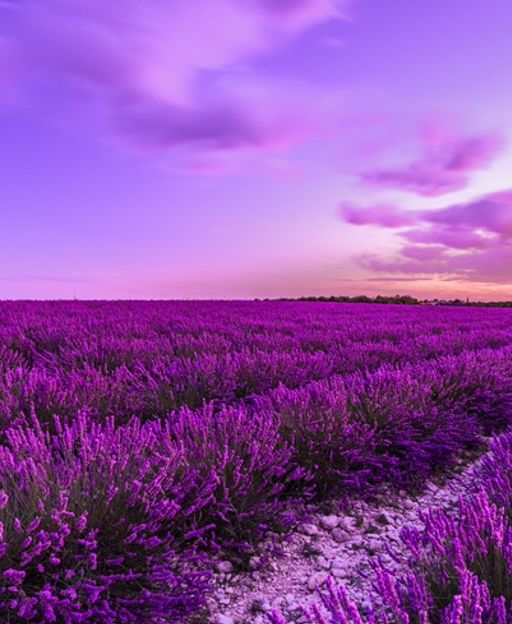
When to Visit France: The Best Time for Every Season and Region
Not sure when to visit France? This month-by-month guide covers every season and region so you can plan the perfect France trip from the US.
-
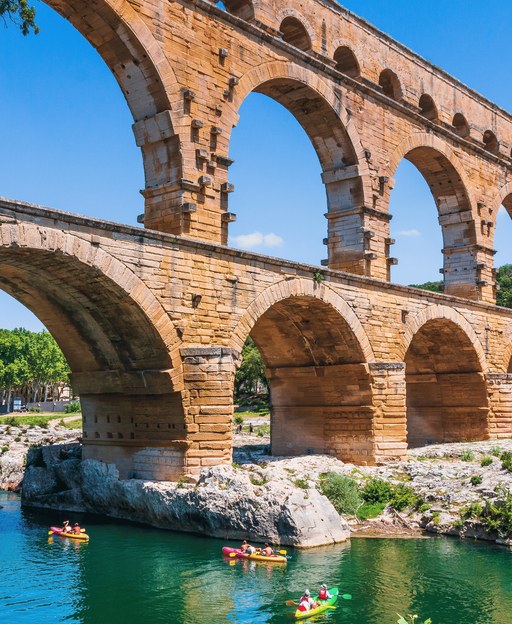
Two Thousand Years Old — and Still Selling Tickets in France
France’s Roman arenas still host concerts after 2,000 years. Nîmes, Orange and Pont du Gard — plus get weekly France stories free in our newsletter.
-
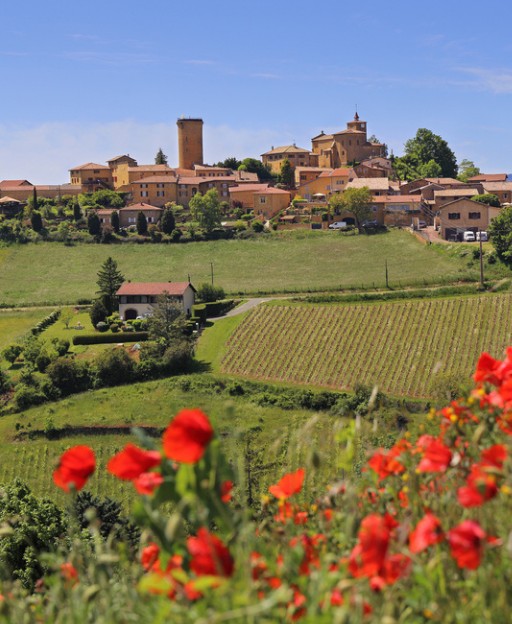
The Hidden Code Behind French Silence That Visitors Always Miss
Discover what French silence really means and how to decode the unwritten social rules before your trip to France. A guide for first-time visitors — plus get weekly France stories free in our newsletter.
-
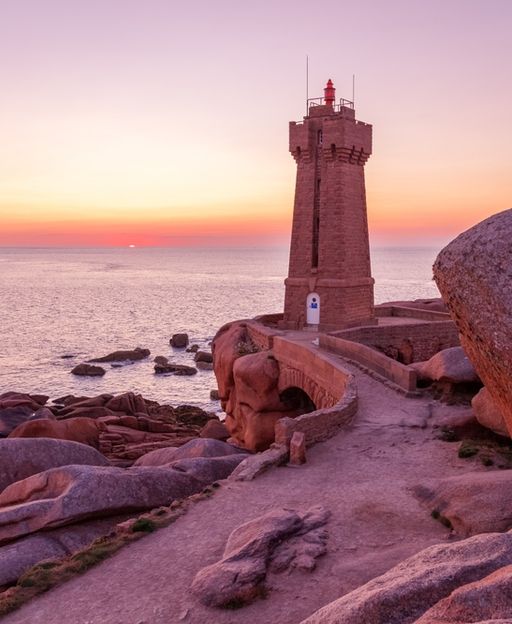
Why Brittany Feels Like a Different Country Inside France
Discover why Brittany feels like a foreign country inside France — its Celtic language, ancient megaliths, and fierce identity make it unlike anywhere else — plus get weekly France stories free in our newsletter.
-
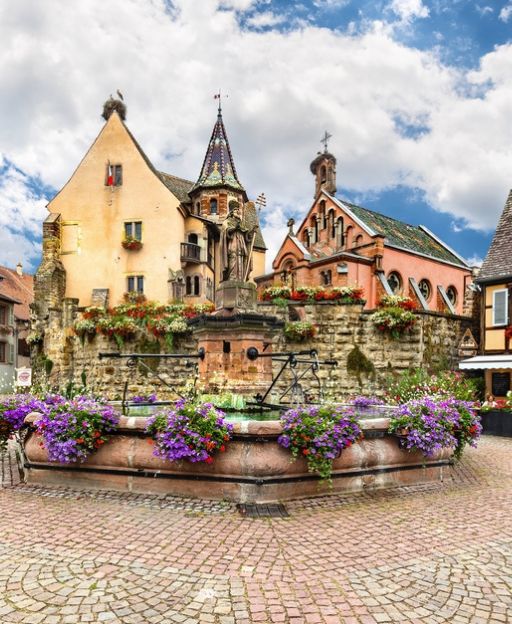
Hidden Villages on the Alsace Wine Route Worth Slowing Down For
Discover the small Alsace villages tucked between Strasbourg and Colmar that most visitors drive straight past — from medieval Riquewihr to flower-filled Eguisheim — plus get weekly France stories free in our newsletter.
-
The French Words That Don’t Exist in English — and What They Reveal
Discover the French words that have no English equivalent — from l’esprit de l’escalier to dépaysement — and what each one reveals about how France thinks — plus get weekly France stories free in our newsletter.
-
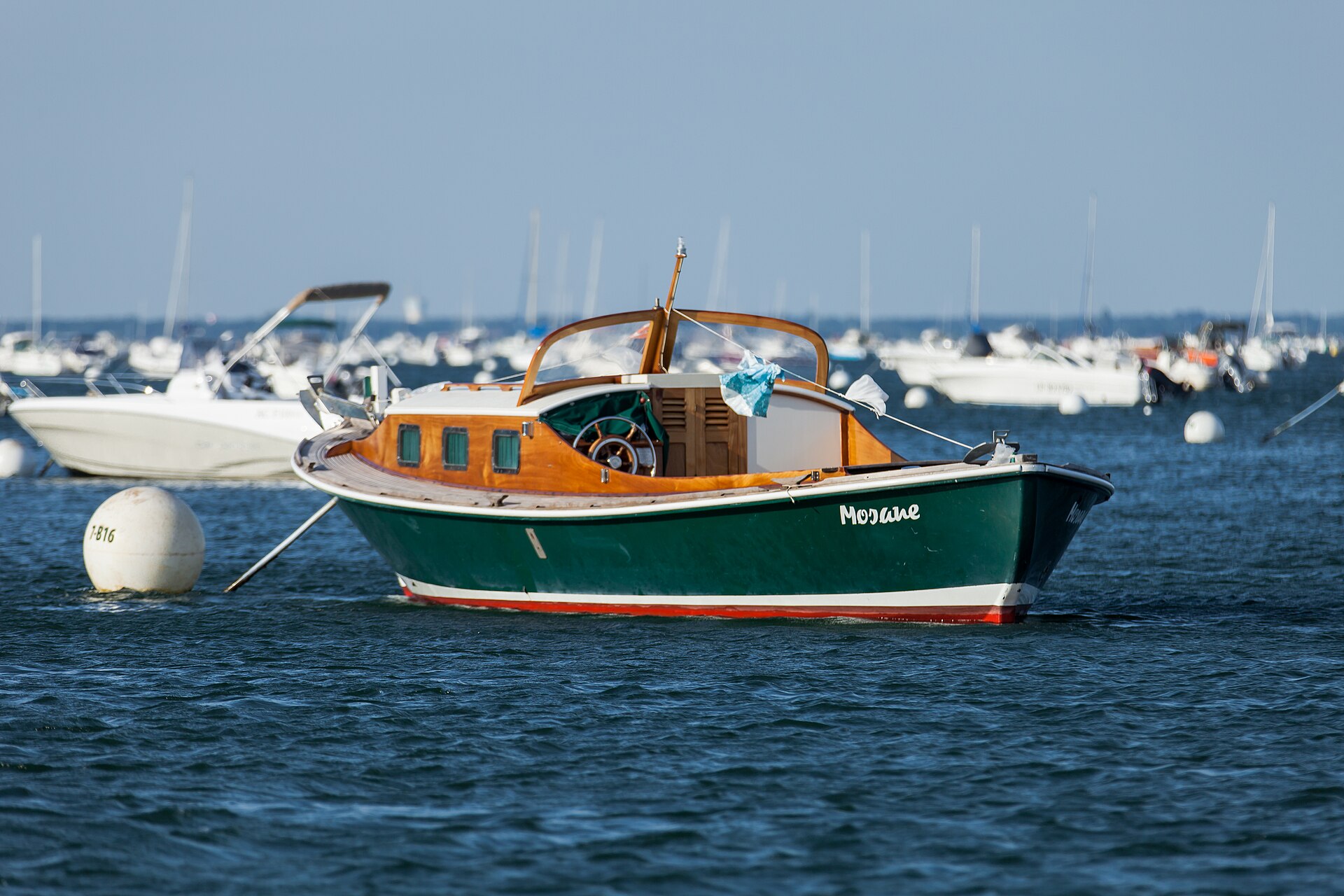
The Lagoon That Even the French Keep to Themselves
Discover the Bassin d’Arcachon — the sheltered Atlantic lagoon where French oyster farmers, tidal cabins on stilts, and Europe’s tallest dune combine to create one of France’s most distinctive coastal escapes — plus get weekly France stories free in our newsletter.
