
You arrive in Gevrey-Chambertin on a Tuesday afternoon. The main street is almost empty. A cat sleeps on a stone wall. Somewhere beneath your feet, one of the most expensive wines in the world quietly ages in the dark.
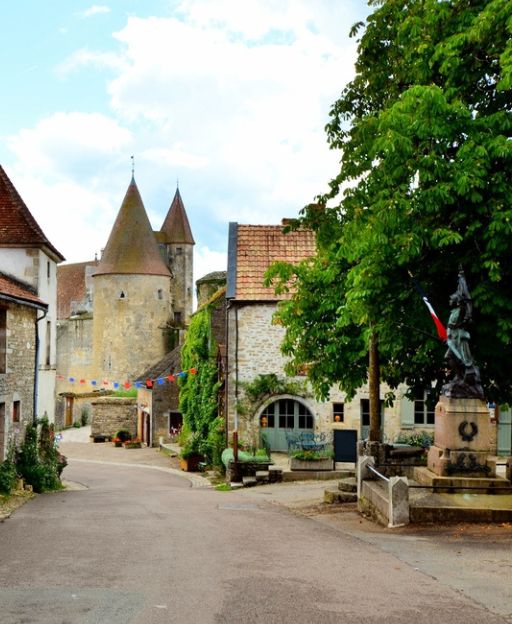
That is Burgundy. Not the glossy brochure version — the real one. The wine region that produces some of France’s most celebrated bottles also contains some of its most ordinary-looking villages. That contrast is the whole point.
The Road That Changes Everything
The Route des Grands Crus runs 60 kilometres south from Dijon through the Côte d’Or. It passes through a string of villages so small and so old that most GPS systems do not bother with them.
Every name on that road carries weight. Gevrey-Chambertin. Chambolle-Musigny. Vosne-Romanée. Pommard. Meursault. Wine lovers travel from Tokyo and New York to stand in these lanes. Most tourists pass straight through without stopping.
That is the paradox of Burgundy. Its greatest treasure hides in plain sight, and it looks like nothing at all.
Why These Villages Are Unlike Any Others in France
Each village in the Côte d’Or produces wine from its own defined patch of earth. Winemakers call this concept “terroir,” and Burgundy takes it further than anywhere else in the world.
A vineyard on one side of a lane can produce a Grand Cru. The field directly opposite produces something far more ordinary. The difference lies in the soil — sometimes only a metre apart.
That obsession with place shapes daily life here. Village squares stay quiet and unhurried. Locals still stop to chat outside the boulangerie. The café opens and closes on its own schedule. Nobody rushes.
This is la vie quotidienne — everyday life — and it has not changed much in 200 years. If you plan to explore Burgundy, start with our France planning hub for practical guidance on getting there.
The Villages Worth Stopping In
Gevrey-Chambertin sits at the northern end of the route. Napoleon allegedly drank nothing else. A small château overlooks the village, and several wine caves open to visitors most afternoons. The side streets are almost always deserted.
Vosne-Romanée produces Burgundy’s most celebrated wine — Romanée-Conti, which sells for thousands of pounds per bottle. The village has fewer than 400 residents. There is no tourist office and no souvenir shop. Just vines.
Beaune serves as the gateway town for most visitors. It has a hospital built in 1443 that still operates as a charity, a covered market, and a ring of wine caves beneath its medieval streets. Most visitors stop only in Beaune. That is a mistake.
Meursault produces the finest white Burgundy. Every November, winemakers gather there for the Paulée de Meursault — a banquet where each guest brings their own bottles. One of France’s most celebrated wine traditions, and one of its least-known outside the region.
Enjoying this? 7,000 France lovers get stories like this every week.
Thinking about it for retirement? If you’ve started thinking seriously about retiring there, our complete our full Retire in France guide covers the visa, healthcare, cost-of-living, and the regions worth shortlisting.
How to Visit a Wine Cave in Burgundy
Most villages on the Côte d’Or have at least one domaine where visitors can knock and ask to taste. Some require appointments. Many do not. The rule is simple: arrive politely, ask with genuine curiosity, and buy something.
These are not tourist experiences. They are working wineries. The person pouring your glass probably made the wine. They will talk about the soil, the harvest, and the particular slope where the grapes grew. That conversation matters as much as what is in the glass.
Tastings cost very little. The bottles you take home cost considerably more. Both are worth every euro. For context on how Burgundy fits into France’s wider wine landscape, read why France’s most exciting wine still surprises expert drinkers.
When to Visit and How Long to Stay
Autumn delivers the most drama. Harvest runs from late September into October. The vineyards turn amber and deep red. The air carries the smell of fermentation. Tractors move slowly between the rows while winemakers disappear into their cellars.
Spring brings quiet green lanes and fresh vines. Summer draws more visitors, especially to Beaune. Winter strips the vines back to bare wood and reveals the full shape of the slopes. Every season offers something different.
Give the Côte d’Or at least two or three days. Drive the Route des Grands Crus once, then park the car and walk a section. The scale only makes sense on foot. Villages that look close on a map carry a different character when you arrive at ground level and see the vines stretching up to the doorsteps.
What is the best time to visit Burgundy wine villages?
Harvest season in late September and October offers the most atmosphere — vineyards turn golden, caves stay busy, and winemakers are often on-site. Spring (April to June) brings quieter lanes and fresh green vines without summer crowds.
Do you need to book wine tastings in advance in Burgundy?
Many small domaines welcome walk-in visitors, particularly outside summer. Larger or more prestigious estates often require advance reservations. Emailing ahead is always worth trying if you have specific producers in mind.
How do you get around the Côte d’Or wine villages?
A hire car gives the most flexibility for exploring beyond the main route. Cycling works exceptionally well — the Route des Grands Crus is flat, clearly signposted, and covers the key villages in a single day at a gentle pace.
Is Burgundy worth visiting if you don’t drink wine?
Absolutely. The medieval villages, Romanesque churches, mustard and cheese traditions, and the unhurried pace of life give Burgundy independent appeal. Beaune’s medieval hospital alone justifies the trip.
A specific stillness arrives in these villages after six in the evening. The last tasting rooms close. Winemakers head inside. The vineyards hold whatever light remains in the sky. Very few places in France make you feel this way — like you walked into something the world forgot to change, and found it completely intact.
Join 7,000+ France Lovers
Three times a week, get France’s hidden gems, seasonal guides, local stories, and the art of la vie française — straight to your inbox.
Subscribe free — enter your email:
📲 Know someone who’d love this? Share on WhatsApp →
Love more? Join 65,000 Ireland lovers → · Join 43,000 Scotland lovers → · Join 29,000+ Italy lovers →
Free forever · Unsubscribe anytime
🇫🇷 You Might Also Love
Tours & experiences you might love


Powered by Viator. Some links are affiliate links — we may earn a small commission at no extra cost to you.

Leave a Reply