
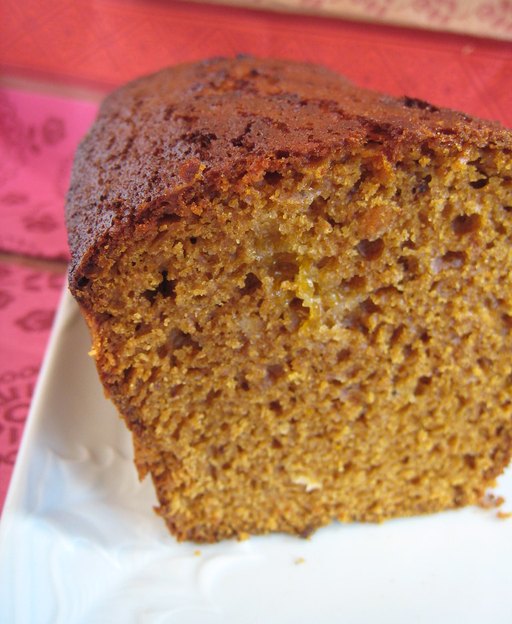
Pain d’épices is the dark honey loaf that France slices all through December. We follow it from a guild of Reims bakers in 1596 to the Dijon house that has made it since 1796, then show you how to bake one in an ordinary American loaf pan.
A Guild of Honey Bakers in Reims
Honey cakes are far older than France. The Paris magazine Bonjour Paris traces them back to ancient Egypt, Rome and 10th-century China, and says cakes of honey and spice only spread widely in Europe with the Crusades. The recipe and its spices travelled first to Germany, then to Alsace, and by then the cake was already part of Christmas.
In Reims, the champagne capital, it became the work of master bakers, the maîtres pain d’épiciers. In 1596 King Henri IV gave them the standing of an official guild, and by the 17th century Reims was the undisputed capital of the honey cake. Even Nicolas Stohrer, pastry chef to the court at Versailles, held the title of master pain d’épicier. The old loaf was made with two flours, one of them rye, and that is the loaf we bake below.
Dijon’s Wheat-Only Loaf
In the 18th century a rival appeared. Dijon came onto the scene with a pain d’épices made with no rye flour at all. France’s official tourism site says the people of Dijon turned the old honey bread into a best-seller all over the world.
The name most tied to it is Mulot & Petitjean. In 1796 Barnabé Boittier opened his pain d’épices house on rue du Prétoire in Dijon. When the firm turned 225 in 2021, the Dijon news site macommune.info counted nine handovers and three changes of name since then, with the business still in the family. The house says it is the last pain d’épices factory still working in Dijon, and it still makes its loaves from honey, flour and spices, along with its nonnettes de Dijon.
Where to Taste It in France
Go to Dijon. Mulot & Petitjean has several shops in the old town, including its historic shop in the Hôtel Catin de Richemont on place Bossuet, and one more in Beaune. At the factory on boulevard de l’Ouest, La Fabrique museum sits right above the workshop: you watch the bakers at work through big windows, with an audio guide in English. Check the opening days on the house’s site before you go.
Back home, do as the French do. Bonjour Paris serves it on its own, or in thin slices under foie gras at holiday parties.
How to Make Pain d’Épices at Home
This is the half-rye loaf of the old Reims bakers, made in a standard 9 x 5 inch loaf pan with spices from any American grocery store. For the Dijon style, swap the rye for more all-purpose flour: the note under the recipe shows how.
Pain d’Épices (French Honey Spice Bread)
Ingredients
Equipment
Method
- Heat the oven to 180°C / 160°C fan / 350°F / gas 4. Butter a 23 x 13 cm (9 x 5 in) loaf tin and line it with baking parchment.
- Warm the honey and brown sugar in a small pan over low heat, stirring, just until the sugar melts. Take it off the heat and let it cool until lukewarm.
- Whisk both flours, the baking powder, salt and all the spices together in a large bowl.
- Beat the eggs with the milk in another bowl, then stir in the warm honey mixture. Pour it into the dry ingredients and stir just until no dry flour is left.
- Pour into the tin and bake for 40 to 50 minutes (check from 35), until dark golden and a skewer in the middle comes out clean.
- Leave in the tin for 10 minutes, then lift it out onto a rack to cool before slicing.
Notes
Sources
- Bonjour Paris, Allison Zinder, 16 December 2024 (the Crusades, the Reims guild of 1596, Stohrer, Dijon’s rye-free version, foie gras)
- France.fr (Explore France): Typical products and specialties of Burgundy
- macommune.info: Mulot & Petitjean fête ses 225 ans (2021)
- Mulot & Petitjean: Visiter la Fabrique and Nos magasins
- Recipe compared with Great British Chefs (Richard Bertinet), Janie’s Mill and Caroline’s Cooking; cup weights from the King Arthur Baking weight chart
Checked November 2026.
Frequently Asked Questions
What is pain d’épices?
A dense French loaf of honey, flour and spices such as cinnamon, ginger, cloves and anise. It is baked in a loaf pan and eaten in slices, especially around Christmas.
Is pain d’épices from Reims or Dijon?
Both. Reims had a guild of pain d’épices masters from 1596 and made it with rye flour. In the 18th century Dijon made its name with a version made from wheat flour only, and Mulot & Petitjean has baked it there since 1796.
How long does pain d’épices keep?
It is best on the first day, and it keeps well for a few days at room temperature, wrapped or in a tin. If it dries out a little, toast a slice and butter it.
Tours & experiences you might love


Powered by Viator. Some links are affiliate links — we may earn a small commission at no extra cost to you.

Leave a Reply