
The Dordogne Valley sits in the southwest of France, roughly an hour from Bordeaux. It is one of the country’s most beloved regions, and for good reason. This Dordogne travel guide covers the main sights, the best time to visit, how to get there and where to stay.
Love France? Join 7,000+ readers on our free newsletter → lovetovisitfrance.substack.com
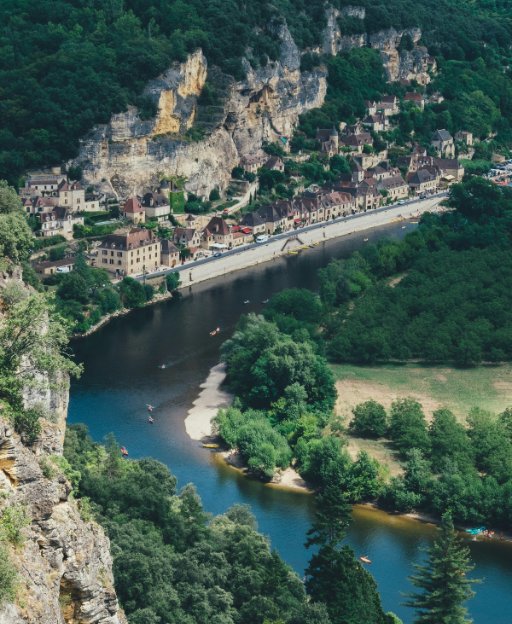
Winding rivers, golden limestone cliffs, medieval châteaux and prehistoric cave paintings are all here. You can drive between most highlights in under an hour. A week gives you time to explore properly, though four days covers the essentials.
Visitors come from across the world, and many return. The pace is slower than Paris. The food is exceptional. The villages look much as they did centuries ago.
What Makes the Dordogne Special
Few regions in France pack so much into a small area. The valley covers parts of the Dordogne and Lot departments. It rewards slow travel — you need a car, and you should plan to stop often.
The region is best known for three things: prehistoric cave art, medieval châteaux and exceptional food. You do not have to go far to find all three.
Prehistoric Cave Art
The Vézère Valley feeds into the Dordogne and contains some of the finest prehistoric cave art in Europe. The caves at Lascaux are the most famous. They were painted around 17,000 years ago and show horses, bison and deer in vivid detail.
The original caves are closed to protect the paintings. Lascaux IV is a remarkable replica that recreates the experience with great care. Allow at least two hours here.
Font-de-Gaume, near Les Eyzies, is one of the few places in France where you can still see original prehistoric paintings in person. The site admits limited numbers each day, so book well in advance.
Medieval Villages and Châteaux
The Dordogne has an extraordinary concentration of medieval châteaux. Two of the most dramatic face each other across the river at Castelnaud and Beynac. Both are worth a visit. Read their full story in our guide to the rival châteaux that faced each other across the Dordogne for two centuries.
Sarlat-la-Canéda is the region’s most visited town. Its medieval centre is almost perfectly preserved, with golden limestone buildings and winding lanes. The Saturday morning market is one of the best in France — arrive early to get the most out of it.
Rocamadour, technically in the Lot department, is close enough to include on any Dordogne trip. The village clings to a vertical cliff face and has been a pilgrimage site for many centuries. It looks almost impossible from below.
Food and Local Markets
The Dordogne is the home of foie gras, duck confit, walnuts and black truffles. These are not tourist novelties — they appear on every local menu and in every market.
If you visit between December and February, weekend truffle markets take place across the region. Even outside truffle season, the local food is exceptional. Look for restaurants offering a set menu (menu du jour). Expect duck in various forms, walnut oil, local cheese and Bergerac wine — similar in style to Bordeaux but far cheaper.
When to Visit the Dordogne
Spring (April to June)
Spring is the best season for most visitors. The weather is warm but not hot. The countryside is green. Tourist crowds are manageable. April and May are especially good — school holidays have not yet started and prices are lower.
Summer (July and August)
Summer is the busiest period. The Dordogne draws large numbers of French, British and Dutch visitors in high season. The medieval villages can feel crowded. If you visit in July or August, book accommodation well in advance. Go early in the morning — most villages are much quieter before 10am.
Autumn (September and October)
Autumn brings warm days and lighter crowds. The grape and walnut harvests add extra life to local markets. The golden light on limestone cliffs in October is especially beautiful. Many visitors consider this the finest time of year to come.
Winter (November to March)
Winter is quiet. Many tourist sites and restaurants close. But truffle season more than compensates for food lovers. A weekend truffle market near Périgueux or Sarlat in January is an unforgettable experience.
How to Get to the Dordogne
By air: Bergerac Airport is the closest option, with direct flights from several UK cities. Bordeaux is the main international gateway, with more frequent connections. Both airports are around one hour from the heart of the valley.
By car from the UK: Many visitors drive through northern France and head south. The journey from Calais takes around eight hours. France’s motorway network makes it straightforward.
By train: Trains serve Périgueux and Sarlat from Paris and Bordeaux. From Sarlat, you will still need a car or taxi to reach most of the valley’s highlights. Hiring a car at Bordeaux Gare is a practical option.
Where to Stay in the Dordogne
Sarlat-la-Canéda
Sarlat is the best base if you want to be in the medieval heart of the region. You can walk to everything in the old town and use it as a starting point for day trips to the river villages and caves. Book early in summer — it fills quickly.
Along the Dordogne River
Small hotels and gîtes along the river offer a quieter experience. Beynac, La Roque-Gageac and Domme all have accommodation with river or cliff views. Staying in one of these villages gives you a much more peaceful trip than Sarlat in peak season.
Périgueux
Périgueux is the departmental capital and a practical base. It has a Roman quarter, a fine cathedral and good transport links. It is less picturesque than Sarlat but considerably quieter. A good choice if you prefer to avoid the crowds entirely.
Your Dordogne Travel Guide: A 7-Day Plan
A week gives you enough time to see the highlights without rushing.
Days 1 to 2: Arrive in Bergerac or Bordeaux. Drive to Sarlat. Explore the medieval town in the afternoon. Visit the Saturday market if your timing allows.
Days 3 to 4: Drive the river road between Beynac and Castelnaud. Visit one château in depth. Take a canoe on the river for an afternoon. Eat at a local auberge in the evening.
Days 5 to 6: Head to the Vézère Valley. Visit Lascaux IV in the morning. See the prehistoric site at Les Eyzies in the afternoon. Stop at a village market if one is running nearby.
Day 7: Drive south into the Lot. Visit the clifftop village of Saint-Cirq-Lapopie above the Lot River before heading to your departure point. It is one of the most beautiful villages in France.
Practical Tips for Visiting the Dordogne
- Book accommodation early. July and August are extremely busy. Book at least three months ahead for summer visits.
- Carry cash. Many smaller restaurants, markets and car parks do not accept cards.
- Go in the mornings. The most popular villages are much quieter before 10am.
- Hire a car. Public transport is limited outside Périgueux and Sarlat. A car is essential for exploring the valley properly.
- Allow extra time on roads. Valley roads are winding and slow. Factor this into your daily plans.
Not sure which part of France suits you best? Read our guide to the best regions to visit in France and how to choose.
Frequently Asked Questions
What is the best time to visit the Dordogne in France?
Spring (April to June) and autumn (September to October) are the best times to visit. The weather is warm, the crowds are manageable and the countryside is at its most beautiful in both seasons.
How long do you need to visit the Dordogne Valley?
A week is ideal for a thorough visit. You can see the main highlights in four to five days, but a full week lets you slow down and explore the region at a comfortable pace.
Do you need a car to explore the Dordogne?
Yes, a car is essential. Public transport between the valley’s villages is very limited. Hiring a car from Bergerac or Bordeaux Airport is the easiest option and gives you full flexibility to explore at your own pace.
You Might Also Enjoy
- The Rival Châteaux That Faced Each Other Across the Dordogne for Two Centuries
- What the Surrealists Found in a Clifftop Village Above the Lot River
- The Best Regions to Visit in France (and How to Choose)
Plan Your France Trip
Ready to start planning? Visit our France trip planning hub for everything you need — from the best time to go to how to get around the country.
Join 7,000+ France Lovers
Three times a week, get France’s hidden gems, local recipes, and travel inspiration — the kind you won’t find in any guidebook.
Subscribe free — enter your email:
🇫🇷 Discover the France Most Tourists Never Find
Get our free guide to 25 hidden villages of France — then join 7,000+ readers for weekly stories about places most guidebooks never mention.
Get Your Free Village Guide →
Thinking about it seriously?
If you’ve started actually planning a move, our complete our complete Moving to France guide walks through every step, every cost, and the paperwork that catches most people out.
Love more? Join 64,000 Ireland lovers → · Join 43,000 Scotland lovers → · Join 30,000 Italy lovers →
Free forever · Unsubscribe anytime
Tours & experiences you might love


Powered by Viator. Some links are affiliate links — we may earn a small commission at no extra cost to you.

Leave a Reply