
The Médoc wine route is one of the great driving journeys in France. It runs north from Bordeaux along a narrow peninsula, with the Gironde estuary on one side and the Atlantic pine forests on the other. Along the D2 road, the names on the iron gates are a roll call of the world’s most famous wines: Margaux, Latour, Mouton Rothschild, Lafite Rothschild. This guide covers how to plan your Médoc wine route visit, which appellations to stop in, and how to arrange château visits without spending days on the phone.
Love France? Join 7,000+ readers on our free newsletter → lovetovisitfrance.substack.com
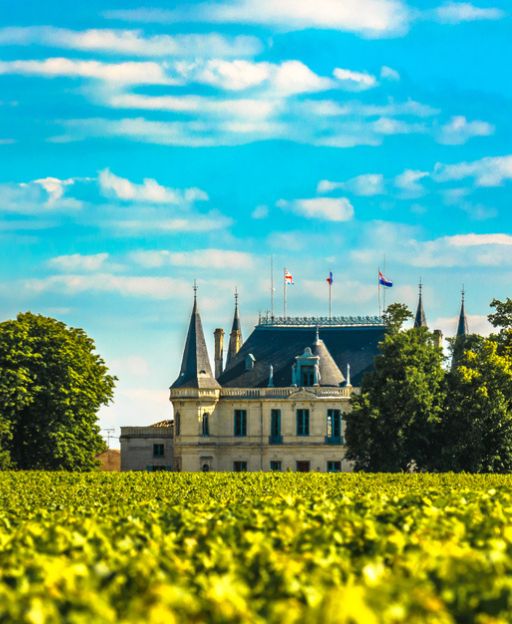
What Is the Médoc Wine Route?
The Médoc is a long, thin peninsula that extends around 80 kilometres northwest from Bordeaux. The Gironde estuary runs along its eastern side. The Landes forest — one of the largest forests in Europe — covers its western half. Between these two lies one of the most intensively studied wine-producing landscapes in the world.
The Route des Châteaux is the local name for the D2 road that passes through the heart of the Haut-Médoc. This road connects four of Bordeaux’s most celebrated appellations: Margaux, Saint-Julien, Pauillac, and Saint-Estèphe. Dozens of classified châteaux sit along or just off this single road.
In 1855, Napoleon III commissioned a classification of Bordeaux’s finest wines for the Paris World Exhibition. The result divided the best wines into five cru classé levels, from first growth to fifth. Most of those classified châteaux — 61 in total — are in the Médoc. First, second, third, fourth, and fifth growth estates all line this road.
Getting to the Médoc from Bordeaux
Most visitors hire a car at Bordeaux Saint-Jean station. The drive north towards Margaux takes around 40 minutes. From Margaux, the Route des Châteaux leads through each appellation in sequence.
You can also reach Pauillac by bus from Bordeaux’s Esplanade des Quinconces. The journey takes around two hours. From Pauillac, some châteaux are reachable on foot or by bicycle. However, a car gives you far more flexibility, particularly for visiting off-road estates in Margaux and Saint-Julien.
Bordeaux city itself makes an excellent base. See our Bordeaux travel guide for the best neighbourhoods to stay in and where to eat well in the city before or after your Médoc drive.
The Four Appellations of the Médoc Route
The Route des Châteaux runs from south to north. Most drivers begin in Margaux and finish in Saint-Estèphe, then return to Bordeaux by the same road or via the estuary ferry from Lamarque to Blaye.
Margaux
Margaux is the first major appellation north of Bordeaux, about 30 kilometres from the city centre. The village itself is small: a church, a few houses, and a single main street. Nothing in the surroundings hints at the extraordinary value of the vineyards stretching out on either side.
Château Margaux — a first growth — does not accept casual visitors and requires a formal appointment made weeks in advance. But several other estates in the appellation welcome visitors more readily. Château Kirwan and Château Prieuré-Lichine both offer tastings by appointment and are well set up for visitors new to the Médoc.
Saint-Julien
Saint-Julien is a compact appellation with no first growths, but widely regarded as the most reliably excellent appellation in the Médoc. Its wines combine the power of Pauillac with the elegance of Margaux.
Château Léoville-Barton, Château Léoville-Las Cases, and Château Ducru-Beaucaillou are three of the most respected second-growth estates in Bordeaux. All three are in Saint-Julien. The road through this appellation is short, but it rewards a slow drive.
Pauillac
Pauillac is the capital of Médoc wine. It is a small port town with a waterfront square and a handful of good restaurants. Three of Bordeaux’s five first-growth châteaux are in Pauillac: Lafite Rothschild, Latour, and Mouton Rothschild.
Château Mouton Rothschild has a famous museum of wine art — every vintage since 1945 has had its label designed by a different artist — and welcomes visitors by appointment. Château Pichon Baron and Château Lynch-Bages also offer excellent visiting experiences with tastings.
Allow at least a couple of hours in Pauillac. The waterfront is pleasant for lunch, and the tourist office on the quay can help arrange last-minute château appointments.
Saint-Estèphe
Saint-Estèphe is the northernmost of the four main appellations. Its wines tend to be the fullest-bodied and longest-lived of the Médoc. The area has a slightly wilder, less manicured feel than Pauillac or Margaux.
Château Cos d’Estournel is the most architecturally distinctive château on the entire route. Its elaborate façade mixes French classical architecture with pagoda towers and carved doors brought from the Sultan of Zanzibar’s palace — the story behind it is as extraordinary as the wine. Château Montrose and Château Calon-Ségur are also worth a visit or a tasting.
🇫🇷 Enjoying this? 7,000 France lovers get stories like this every week. Subscribe free →
How to Visit a Médoc Château
Most Médoc châteaux do not accept walk-in visitors. Advance booking is almost always required. Many estates have an online reservation system. For first and second growth châteaux, book several weeks ahead. Smaller estates can often accommodate requests with a few days’ notice.
A typical visit runs one to two hours. Your guide walks you through the vineyards, explains the winemaking process, takes you through the barrel cellar, and finishes with a tasting of two or three recent vintages. Most châteaux charge a tasting fee — typically between €10 and €30. Some fold this into the price of a bottle purchased.
A few practical points:
- Wear sturdy, closed-toe shoes. Vineyard paths are gravel or compressed earth, and cellar floors can be slippery.
- Avoid strong perfume or aftershave on tasting days. Both interfere with the nose when evaluating wine.
- Bring a notebook. You will taste more wines than you will easily remember.
- If you are driving, use the spit bucket or appoint a non-drinking driver. French countryside roads carry speed cameras.
The Best Time to Drive the Médoc Wine Route
Late September and October is the best time. Harvest — les vendanges — begins in mid-September. The vineyards turn golden and amber. Châteaux are busy with activity, and the atmosphere along the route is unique. Book visits well in advance.
Spring (April to June) is also excellent. Vines are just coming back into leaf after pruning. Visitor numbers are lower. Accommodation nearby is more affordable.
August is the busiest month but also when many small restaurants and wine shops close for the French summer holiday. Avoid it if you can.
Winter is possible but quiet. Some châteaux reduce their visiting hours between December and February. The vineyards look bare but the cellars are busy, and visits at this time of year can feel more personal.
Planning Tips for the Médoc
- Drive north to south if returning to Bordeaux at day’s end. Afternoon light on the estuary falls on your right, which makes the drive back more scenic.
- Saint-Émilion is across the Gironde and is not on the Médoc route. It requires a separate day trip from Bordeaux but is well worth it — our Bordeaux travel guide covers how to reach it.
- Prices at château shops are not usually lower than at a good wine merchant. The reason to visit is the experience and the story behind the wine, not the price.
- The Médoc wine route pairs naturally with a visit to Sauternes on the south side of Bordeaux for a full day of contrasting wine styles.
Frequently Asked Questions
Can you visit Château Mouton Rothschild without an appointment?
No. All visits to Château Mouton Rothschild require advance booking through their online reservation system. Slots fill quickly during harvest season, which typically runs from mid-September to early October. Book at least two to four weeks ahead.
How many days do you need for the Médoc wine route?
One full day is enough to drive from Margaux to Saint-Estèphe with one or two château stops. Two days allows a more relaxed pace with three or four visits and time to enjoy a proper lunch in Pauillac. If you plan to visit multiple first-growth estates, two days is strongly recommended.
Is the Médoc wine route suitable for people who do not drink wine?
Yes. The landscape itself — flat vineyards, stone châteaux, quiet roads along the estuary — is genuinely beautiful. The architectural variety between châteaux is striking. Several estates welcome visitors who want to tour the vineyards and cellars without taking a tasting.
How far is the Médoc from Bordeaux city centre?
The Margaux appellation begins about 30 kilometres north of Bordeaux — roughly 40 minutes by car. Pauillac is around 50 kilometres from the city, and Saint-Estèphe is roughly 55 kilometres. The full route from Margaux to Saint-Estèphe covers about 25 kilometres of driving.
You Might Also Enjoy
- Bordeaux Travel Guide: The Best of France’s Wine Capital
- The Best Wine Regions in France to Visit
- France Travel Budget: What a Trip to France Really Costs in 2026
Plan Your France Trip
Ready to plan your full trip? Our France trip planning hub covers the best regions, when to go, how to get around, and where to stay across the whole country.
Join 7,000+ France Lovers
Every week, get France’s hidden gems, local recipes, and travel inspiration — the kind you won’t find in any guidebook.
Subscribe free — enter your email:
Love more? Join 64,000 Ireland lovers → · Join 43,000 Scotland lovers → · Join 30,000 Italy lovers →
Thinking about it for retirement?
If you’ve started thinking seriously about retiring there, our complete our full Retire in France guide covers the visa, healthcare, cost-of-living, and the regions worth shortlisting.
Free forever · One email per week · Unsubscribe anytime
Tours & experiences you might love


Powered by Viator. Some links are affiliate links — we may earn a small commission at no extra cost to you.

Leave a Reply