
France draws around 90 million visitors every year. Only a fraction of them ever ask the obvious next question: could I actually live here? If you are seriously considering retiring in France, the first decision is not the visa paperwork or the healthcare forms. It is geography. France is roughly the size of Texas — and the south bears no resemblance to the north. Climate, cost, community, and character shift dramatically by region. This guide covers the five regions where American retirees actually settle, not the most aspirational picks, but the places where people have built realistic, sustainable lives. Here is an honest look at where to retire in France in 2026.
Love France? Join 7,000+ readers on our free newsletter → lovetovisitfrance.substack.com
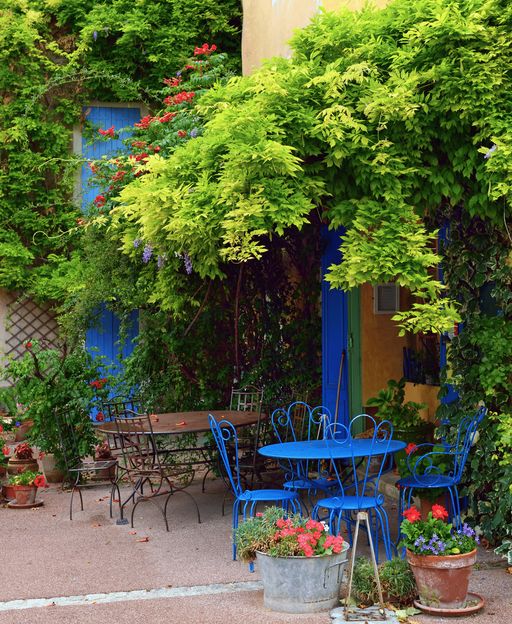
The Dordogne: Where the Numbers Make Sense
The Dordogne sits in southwestern France, about an hour east of Bordeaux. It has medieval stone villages, a wide slow river, twice-weekly markets, and one of the most established English-speaking expat communities in the country. It also has the most affordable property prices of any major retirement destination in France.
A three-bedroom stone farmhouse with a garden costs between €120,000 and €200,000 in most towns away from the tourist hotspots. That figure surprises most Americans — it is not a misprint. Monthly living costs for a couple, covering rent or mortgage, food, utilities, and a health insurance top-up (mutuelle), run around €1,800 to €2,400. That is within reach for retirees combining Social Security with modest savings.
The trade-off is convenience. The Dordogne is rural. You will need a car for most errands. The nearest major international airport is Bordeaux, though Bergerac has a small regional airport with routes to the UK. If you want a lively city scene within walking distance, this is not your region.
What you do get is community. Towns like Sarlat, Périgueux, and Bergerac have long-established networks of English speakers who have been here for decades. Finding an English-speaking GP or dentist is realistic. The weekly market is not a tourist attraction — it is how residents actually shop. If you want a gentle, affordable entry into French retirement life, the Dordogne delivers. Read our full Dordogne travel guide to get a feel for the landscape before you visit.
Provence: The Honest Assessment
Provence sells itself well. Lavender fields, hilltop villages, a long growing season, 300 days of sunshine in a good year. All of that is real. What the property listings tend to skip is the cost.
Property in the Luberon or around Aix-en-Provence starts at €300,000 for a modest village house and rises sharply from there. Popular villages like Gordes and Les Baux command premiums that push a three-bedroom house past €500,000. Monthly living for a couple in Provence — including rent or mortgage, food, utilities, and insurance — runs €2,800 to €3,500. Summer brings heat exceeding 35°C and significant tourist congestion. The mistral wind, a cold, sustained northerly, arrives without warning and can last for several days.
For the full picture on what it costs to set yourself up legally — income thresholds, OFII registration, and the visa paperwork that catches most first-time applicants off guard — see our full Retire in France guide.
That said, Provence rewards the right retiree. If you have a higher budget, value warmth and beauty, and can tolerate the summer intensity, it delivers. The Luberon villages attract an educated international community year-round. The Luberon’s hilltop villages offer a quality of life that is genuinely hard to replicate. Local markets, excellent wine, and reliable sunshine make the premium easier to justify — if the budget allows.
🇫🇷 Discover the France Most Tourists Never Find
Get our free guide to 25 hidden villages of France — then join 7,000+ readers for weekly stories about places most guidebooks never mention.
Get Your Free Village Guide →The Languedoc: The Alternative Few Americans Consider
The Languedoc stretches between Provence and the Pyrenees along the Mediterranean coast. It is warm, it has beaches, it has extraordinary medieval history — and it costs roughly 30 to 40 per cent less than Provence for comparable property.
Cities like Montpellier and Nîmes offer solid infrastructure, international airports, reliable healthcare, and a growing population of younger retirees. Villages in the Hérault and Gard departments offer landscapes that rival Provence — scrubland, vineyards, limestone gorges — at significantly lower prices. A three-bedroom house with a garden in most inland Languedoc villages costs €180,000 to €280,000. Monthly living for a couple sits around €2,000 to €2,700.
The summers are hot — occasionally hotter than Provence in some years — but the local wine is superb and far cheaper at source. The Pic Saint-Loup appellation north of Montpellier produces outstanding reds that cost a fraction of comparable Provençal bottles.
The honest drawback is community infrastructure. The Languedoc does not have the settled expat networks of the Dordogne or Provence. If you want a ready-made English-speaking social life, you will need to build it yourself. If you are comfortable with that, and you want Provence-style living at two-thirds of the price, the Languedoc deserves serious attention.
Brittany: A Different Kind of France
Brittany is not what most Americans picture when they think of France. It is green, Atlantic, and wet for much of the year. It is also one of the most culturally distinct regions in the country, with a Celtic heritage, a regional language (Breton), and a strong independent character.
The architecture is granite rather than golden stone. The seafood — oysters, lobster, langoustines, scallops — is among the best in Europe and eaten simply. The pace of life is slow even by French standards. Ferry routes from Roscoff to Plymouth and from Saint-Malo to Portsmouth make Brittany the easiest region for regular travel back to the UK or connections onward to the US.
Property is accessible. A solid three-bedroom house in most Breton towns costs €150,000 to €250,000. Coastal properties command higher prices, particularly around Quiberon and the northern coast near Paimpol. Monthly living for a couple — food costs run a little higher given the quality of local produce — sits at €1,900 to €2,500. Brittany’s oyster culture gives a sense of how food-centred daily life is here.
Brittany suits a specific kind of retiree. Someone who values authenticity over sunshine. Someone who finds a dramatic Atlantic coastline more compelling than lavender in 38°C heat. If you need 200 days of sun per year to feel well, Brittany will wear you down between November and March. If you do not, it offers something genuinely rare: a beautiful, affordable corner of France that has not been overrun.
The Côte Basque: Mountains, Ocean, and Exceptional Food
The French Basque Country runs along the Atlantic coast from Bayonne south to the Spanish border. Biarritz is its most famous town. Saint-Jean-de-Luz is, in the view of most long-term residents, its most liveable.
The region is expensive. Property in Biarritz and Saint-Jean-de-Luz starts at €350,000 for a small flat and climbs well above €500,000 for a house with outdoor space. Monthly living for a couple runs €2,600 to €3,200. This is Provence-level pricing paired with Atlantic weather — which is either a trade-off or a genuine advantage, depending on your preferences.
What justifies the premium is the quality of life. The Basque food tradition is distinct from French cuisine and consistently outstanding — pintxos, txakoli wine, salt cod in a dozen different preparations. The climate is mild with cool summers and wet winters. Mountains and ocean are both within an hour’s drive. Spain is 40 minutes away. San Sebastián, one of the great food cities in the world, is just across the border.
The Basque people have a strong cultural identity and respond well to newcomers who show genuine respect for it. Biarritz has an established international community. Saint-Jean-de-Luz is quieter and preferred by retirees who want a real town rather than a seasonal resort. Our guide to the French Basque Country covers the landscape, food, and character of the region in full.
Which Region Fits Your Retirement?
Here is a practical way to narrow down your choice based on budget and priorities:
- Monthly budget under €2,000: Dordogne. Affordable property, established expat community, rural pace.
- Monthly budget €2,000–€2,700, want Mediterranean warmth: Languedoc. Similar climate to Provence at lower prices.
- Monthly budget €2,800+, want maximum sunshine and cultural depth: Provence. Expensive, but beautiful and well-connected.
- Want Atlantic character and exceptional food, budget €2,600+: Côte Basque. Premium pricing, premium quality of life.
- Value authenticity, do not need constant sun: Brittany. Affordable, genuine, unlike anywhere else in France.
Whichever region you choose, the healthcare system works the same way across France. Understanding PUMA eligibility, the Carte Vitale, and the top-up insurance you will need is essential before committing to a region. Our dedicated article covers French healthcare for retired expats in full detail.
Frequently Asked Questions
What is the cheapest region to retire in France?
The Dordogne consistently offers the lowest property prices and monthly living costs for retirees in France. A couple can live comfortably on €1,800 to €2,400 per month. Three-bedroom stone houses are available from around €120,000 in most inland towns, making it the most accessible region for retirees on a fixed income.
How much income do you need to retire in France on a long-stay visa?
French immigration expects you to demonstrate you can support yourself without working in France. Most consulates look for income of at least €1,500 per month per person, though some set the threshold higher. Check directly with your nearest French consulate before applying, as requirements vary by consulate and change periodically.
Do I need to speak French to retire in France?
In established expat areas like the Dordogne and parts of Provence, you can manage in English, particularly in the early months. Most administrative processes require at least basic French, however. Life is considerably richer — and considerably simpler — if you invest in language classes before you move. Most retirees find that one year of evening classes before the move makes an enormous practical difference.
What is the best time to visit France before deciding where to retire?
Visit your shortlisted regions in both May or June and again in October or November. Summer shows France at its most beautiful but also reveals the tourist pressure and summer heat you will live with. Autumn shows the quieter reality. Both visits are essential before making a commitment — one visit is never enough to understand what a region is actually like to live in.
You Might Also Enjoy
These articles go deeper on the practical side of retiring in France:
- The Real Cost of Living in France in 2026: Paris, a Provincial Capital, and a Village
- French Healthcare for Retired Expats: PUMA, Carte Vitale, and the Mutuelle You Need
- The French Long-Stay Visa for Americans: Visitor, Profession Libérale, or Talent Passport?
Plan Your France Trip
Ready to start planning your move? Our France trip planning hub covers when to go, how to structure your time across multiple regions, and how to make the most of a research visit before you commit.
Join 7,000+ France Lovers
Every week, get France’s hidden gems, local recipes, and travel inspiration — the kind you won’t find in any guidebook.
Subscribe free — enter your email:
Love more? Join 64,000 Ireland lovers → · Join 43,000 Scotland lovers → · Join 30,000 Italy lovers →
Free forever · One email per week · Unsubscribe anytime
Tours & experiences you might love


Powered by Viator. Some links are affiliate links — we may earn a small commission at no extra cost to you.

Leave a Reply