
Many Americans dream of owning a property in France. Whether it’s a stone farmhouse in Provence, a cottage in Brittany, or a flat in Paris, buying property in France is entirely possible for non-residents. There are no restrictions on foreign ownership. But the French buying process is very different from what Americans are used to — and the costs can surprise you if you’re not prepared.
Love France? Join 7,000+ readers on our free newsletter → lovetovisitfrance.substack.com
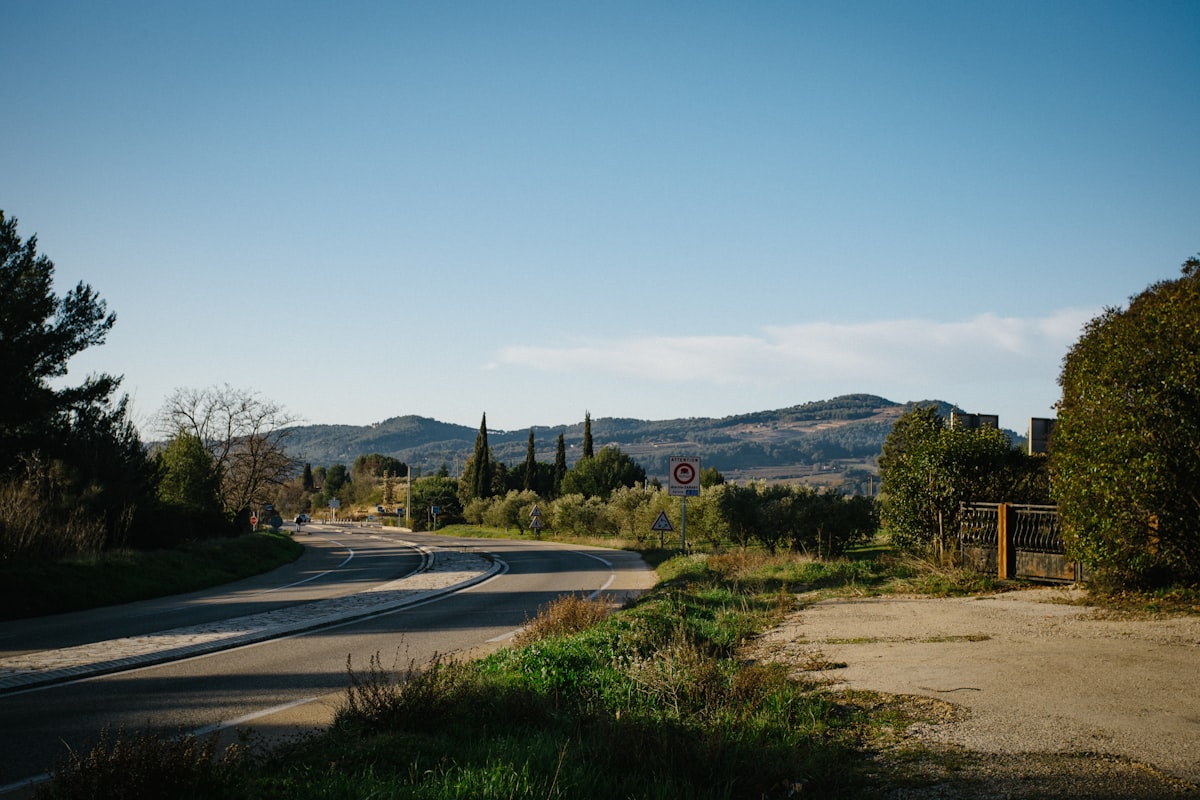
Can Non-Residents Buy Property in France?
Yes. France places no restrictions on foreign nationals buying property. You do not need a visa, a work permit, or a French bank account to purchase. Citizens of any country can buy residential or commercial property in France.
The key difference is how the process works. In France, property transactions are handled by a notaire — a state-appointed legal official — not by estate agents alone. The notaire acts for both buyer and seller and ensures the transaction is legally valid.
What Is a Notaire?
A notaire is a public official with legal training. They verify the title, check for debts or liens, handle all the paperwork, and register the transfer with the French land registry. Their fees are fixed by the French government.
You can appoint your own notaire alongside the seller’s notaire at no extra cost. When buying property in France as a non-resident, having your own notaire is strongly recommended. They will represent your interests throughout the transaction.
The French Property Buying Process: Step by Step
Understanding these steps before you start will help you avoid costly mistakes.
Step 1: Find a Property
French estate agents are called agents immobiliers. Their fees are typically included in the listed price, shown as FAI (frais d’agence inclus). Always check whether the listed price includes or excludes agent fees. Buying directly from the owner (entre particuliers) through sites like LeBonCoin or PAP.fr can save several per cent in fees.
Step 2: Sign the Compromis de Vente
Once you agree on a price, both parties sign a compromis de vente — a preliminary contract. This locks in the price, the conditions, and a target completion date. The buyer pays a deposit, typically 10% of the purchase price, at this stage.
Step 3: The 10-Day Cooling-Off Period
After signing the compromis, the buyer has a 10-day cooling-off period. You can withdraw and receive your deposit back in full, no questions asked. After those 10 days, if you pull out without a valid reason (such as mortgage refusal), you lose the deposit.
Step 4: Due Diligence and Financing
In the three months between the compromis and final signing, your notaire conducts searches on the property. You arrange your financing. French law includes a condition suspensive — if your mortgage application is refused by a lender, you can cancel and recover your full deposit.
Step 5: Sign the Acte de Vente
The final signing takes place at the notaire’s office. You pay the remaining balance, fees, and taxes. The notaire transfers the title into your name. You receive the keys. The purchase is complete.
Dreaming of France? Join 7,000+ readers getting weekly France stories, hidden gems, and travel inspiration. Subscribe free →
The Real Cost of Buying Property in France
The purchase price is only part of the total. Budget carefully for these additional costs before you commit.
Notaire Fees
On older properties — broadly, those built before 1970 — notaire fees run to roughly 7–8% of the purchase price. On newer properties, they are lower, around 2–3%. These fees are not negotiable. They cover stamp duty, land registration, and the notaire’s professional fee. On a €300,000 older property, budget around €21,000–24,000 in notaire fees.
Agency Fees
If the price is listed as FAI, the agent’s fee is already included. If the listing shows a price hors honoraires (excluding fees), the agency fee is paid on top — typically 4–8% of the sale price. Always clarify this before making an offer.
Annual Property Taxes
Once you own property in France, you pay two annual property taxes. The taxe foncière (land tax) is paid by the owner and calculated on the property’s theoretical rental value. The taxe d’habitation has been abolished for most primary residences but may still apply to secondary homes depending on the local commune. Ask the seller for recent tax bills before you sign anything.
Wealth Tax (IFI)
If the value of your French property assets exceeds €1.3 million, you pay the Impôt sur la Fortune Immobilière (IFI). The rate starts at 0.5% and rises progressively. Below €1.3 million, there is no wealth tax. Most buyers purchasing a holiday home or rural property will not reach this threshold.
For a detailed picture of what life costs in France, see our guide to the real cost of living in France in 2026.
Getting a French Mortgage as a Non-Resident
French banks do lend to non-residents, but the criteria are stricter than for French residents.
Typical Requirements
Most French lenders require a deposit of at least 20–30% from non-resident buyers. You will also need proof of stable income — either employment contracts or two to three years of tax returns — and evidence that mortgage repayments will not exceed one-third of your monthly income. A French bank account is typically required before completion.
Using a Mortgage Broker
A mortgage broker specialising in non-resident French property loans can save you significant time and money. They know which lenders accept foreign buyers and can advise on the documentation required. Interest rates and terms vary between lenders, so comparing offers is important.
Paying with Cash or US Financing
Many American buyers use a home equity loan on their US property, or simply purchase with cash. Cash purchases are simpler and move faster, though you still follow the same legal process through the notaire. There is no discount for paying cash — the notaire fees are the same regardless.
Tax Considerations for American Buyers
Buying property in France creates tax obligations in both countries. It is important to understand both sides before you commit.
French Capital Gains Tax
If you sell your French property at a profit, French capital gains tax applies. The combined rate (income tax plus social charges) starts at around 36.2%. However, there are reductions for long-term ownership. After 22 years of ownership, you pay no income tax on the gain. After 30 years, you are fully exempt from social charges too. Buying and holding for the long term is advantageous from a French tax perspective.
US Tax Reporting
American citizens must report worldwide income and assets to the US government. Key obligations for French property owners include:
- Reporting any French rental income on your US federal tax return
- Filing an FBAR (FinCEN 114) if your French bank account balance exceeds $10,000 at any point during the tax year
- Potentially filing under FATCA if total foreign financial assets exceed the relevant reporting threshold
The US-France tax treaty prevents double taxation on most income, but the reporting requirements still apply. An accountant with US-France expertise is well worth the fee.
Best Regions for Non-Resident Property Buyers
Prices and lifestyles vary considerably across France. Here are four regions that attract significant numbers of foreign buyers.
Provence
Stone farmhouses, lavender fields, and a warm climate make Provence one of the most desirable regions for foreign buyers. Budget from around €250,000 for a village property needing renovation; €500,000 or more for something move-in ready with countryside views. The Luberon and the Alpilles are particularly popular with international buyers.
The Dordogne
Known as the Périgord, the Dordogne offers some of the most affordable stone farmhouses in France. Habitable properties can be found from €150,000. The region has a large English-speaking expat community, which can ease the administrative burden for new arrivals. It is peaceful, green, and relatively easy to reach from the UK and northern Europe.
Normandy and Brittany
Both regions offer good value and straightforward access. Normandy farmhouses and Breton stone longhouses can be found from around €100,000, though properties at the lower end often require significant renovation work. Both regions suit buyers who want to be close to the coast without paying Côte d’Azur prices.
The Loire Valley
The Loire is central, well-connected, and culturally rich. Properties range from affordable rural houses to grand maisons de maître. Prices are moderate compared to Provence or Paris — typically €200,000–€400,000 for a comfortable family home with land. The region’s UNESCO World Heritage status keeps property values stable.
If you are thinking about retiring to France rather than just buying a holiday home, read our guide to the best regions to retire to in France in 2026.
Common Mistakes to Avoid
Skipping a Survey
France does not require a structural survey as part of the legal process. The seller provides certain diagnostic reports (covering asbestos, lead, termites, energy performance, and a few others), but these are narrow in scope and do not replace a full structural inspection. Always commission an independent survey from a qualified surveyor before you commit.
Underestimating Renovation Costs
French property listings often describe properties as “habitable” when they need considerable work. A stone farmhouse that needs a new roof, rewiring, and updated plumbing can cost €80,000–€150,000 in renovation before it feels like home. Get quotes from local artisans before you sign the compromis if renovation is part of the plan.
Ignoring the Planning Rules
France has strict rules about what you can build or change. Always check the Plan Local d’Urbanisme (PLU) — the local planning document — before buying rural land or a property with development ambitions. Your notaire can check this as part of the pre-purchase searches.
Ready to take the next step? Read our full guide on how to move to France for everything from visas and admin to finding your footing in the country.
And if you need a visa for your move, our guide to the French long-stay visa for Americans explains the options available to US citizens.
Frequently Asked Questions
Can Americans buy property in France without living there?
Yes. France has no restrictions on foreign nationals buying property. You do not need to be a resident or have a French visa to purchase. Many Americans own holiday homes or investment properties in France without ever applying for residency.
How long does the French property buying process take?
From signing the compromis de vente to the final signing of the acte de vente typically takes two to three months. If you are arranging a French mortgage, the process may take slightly longer. Cash purchases can sometimes complete more quickly.
What are notaire fees when buying property in France?
Notaire fees on older properties (generally pre-1970) run to around 7–8% of the purchase price. On new-build properties, fees are lower — around 2–3%. These fees are set by the French government and are the same regardless of which notaire you use.
Do I need a French bank account to buy property in France?
You do not need a French bank account to complete the purchase itself, but most French mortgage lenders require one before completion. If you are paying cash, you can transfer funds directly through your notaire. Once you own property in France, opening a French bank account makes paying utility bills and property taxes much simpler.
You Might Also Enjoy
- The Real Cost of Living in France in 2026
- The Best Regions to Retire to in France in 2026
- French Long-Stay Visa for Americans: Your Complete Guide
Plan Your France Trip
Whether you’re buying property, planning a long stay, or simply dreaming about France, our France trip planning hub has everything you need to get started.
Join 7,000+ France Lovers
Every week, get France’s hidden gems, local recipes, and travel inspiration — the kind you won’t find in any guidebook.
Subscribe free — enter your email:
🇫🇷 Free France Road Trip Itinerary
The perfect Provence & South of France driving route — day-by-day plan, best stops, and hidden gems included. Free when you join 7,000+ France lovers.
Get the Free Road Trip Guide →Love more? Join 64,000 Ireland lovers → · Join 43,000 Scotland lovers → · Join 30,000 Italy lovers →
Free forever · One email per week · Unsubscribe anytime
Tours & experiences you might love


Powered by Viator. Some links are affiliate links — we may earn a small commission at no extra cost to you.

Leave a Reply