
Easter works differently in France. No rabbit hides the eggs. No footprints in the garden, no trail of foil-wrapped treats leading to a basket. Instead, French children wake on Easter Sunday and look to the sky — because in France, the eggs come from the bells.
It sounds like a fairy tale. It is one. And it is completely, wonderfully real.
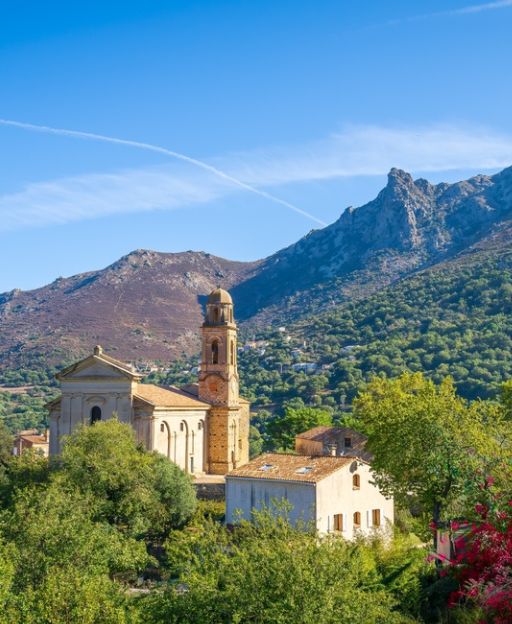
Why the Bells Go Silent on Holy Thursday
Every year, on the Thursday before Easter, something strange happens across France. The church bells stop ringing.
They have rung every day — marking noon, calling people to Mass, tolling the hours — and then, without warning, they go quiet. Children notice immediately. Adults explain it the same way it was explained to them, and their parents before them.
The bells have flown to Rome to be blessed by the Pope.
This is called les cloches volantes — the flying bells. And in France, it is as bound to Easter as chocolate eggs and spring sunshine.
The Journey to Rome and Back
The bells depart on Holy Thursday and stay silent through Good Friday and Holy Saturday. The country rests in an unusual hush during those three days. No peal from the village tower. No noon bell. Just quiet.
Then, on Easter Sunday morning, the bells return.
They come back from Rome laden with chocolate — eggs, fish, hens, and bells made of the finest dark and milk chocolate — and as they fly back over France, they drop this treasure into the gardens below. Children rush outside to search the flowerbeds and hedgerows for what the bells have left behind.
It is, in every way, more poetic than a rabbit.
Why There Are Chocolate Fish at Easter
If you walk into a French chocolatier in the week before Easter, you will find chocolate fish alongside the eggs and the bells. Poissons. They sit in rows in the window, wrapped in gold foil.
This puzzles almost every visitor. The fish trace back to Poisson d’Avril — April Fool’s Day — which falls close to Easter in many years. There is a long French custom of pinning paper fish to unsuspecting backs, and giving small chocolate fish as gifts. The Easter season absorbed this tradition, and so the fish stayed.
French children grow up with both traditions overlapping in April: paper fish taped to schoolmates’ backs, and chocolate fish hunted in the garden.
Enjoying this? 7,000 France lovers get stories like this every week. Subscribe free →
Easter Sunday in a French Village
On Easter morning, the market square of a French village looks much as it does on any Sunday — but a little more dressed up. Families walk to Mass. Children carry small baskets. The boulangerie window is full of lamb-shaped brioches and chocolate eggs wrapped in bright foil.
After Mass, the long Sunday lunch begins. Extended family around a big table. Roast lamb is the classic Easter centrepiece — agneau de Pâques — slow-cooked with garlic and thyme. A tarte tatin or chocolate mousse to finish.
The bells ring again at the end of Mass. Full, warm, rolling out across the rooftops. The three-day silence is over. Easter has arrived.
A Tradition Worth Seeking Out
If you are in France at Easter, try to be in a village rather than a city. The tradition lives most fully where the church tower still dominates the skyline and the bells genuinely go quiet on Thursday evening.
Ask any French child where the Easter eggs come from. Watch their face. They will tell you, with complete conviction, that the bells brought them — just as their parents told them, and their grandparents before that.
Much like the crêpe-flipping tradition at Chandeleur or the hidden bean inside the galette des rois, France ties its seasons to rituals that feel entirely its own. If you are planning a spring visit, the France planning hub will help you time it perfectly.
France has a gift for turning ordinary moments into something that stays with you long after you have left. The flying bells are exactly that — a tradition so tender, so specifically French, that you carry it home with you. Long after the chocolate is gone.
Join 7,000+ France Lovers
Every week, get France’s hidden gems, seasonal guides, local stories, and the art of la vie française — straight to your inbox.
Love more? Join 65,000 Ireland lovers → · Join 43,000 Scotland lovers → · Join 30,000 Italy lovers →
Free forever · One email per week · Unsubscribe anytime
Leave a Reply