
There is a week each autumn when Burgundy stops being a wine region and becomes something much older. Villages that have been quietly ticking along since summer suddenly fill with noise, dust, and the sharp green smell of freshly cut vines.
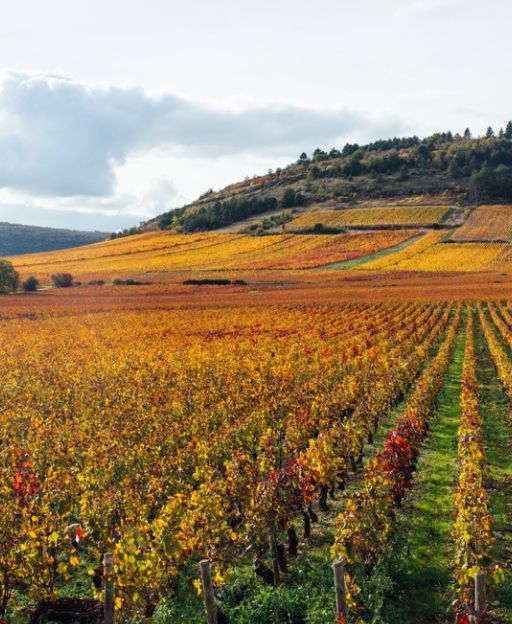
This is the vendange — the grape harvest — and it looks nothing like the polished photographs you see in travel brochures.
The Village Before the First Cut
A week before picking begins, something shifts. Winemakers walk their vine rows every morning, pressing grape skins with their thumbs. They study weather forecasts the way surgeons read test results.
Local shopkeepers know the season is coming before any announcement. They start stocking crates of beer, blocks of cheese, and bread by the metre. In small villages like Gevrey-Chambertin, Meursault, or Pommard, the harvest does not happen around ordinary life. It is ordinary life.
The whole year — the pruning in January’s cold, the watching through spring rains, the anxious checks in August heat — it all leads here.
Who Actually Picks the Grapes
The vendangeurs — the pickers — arrive from across France and beyond. Students, retirees, seasonal workers from Spain, Poland, and Morocco. Some families have returned to the same domaine for three generations.
They sleep in converted barns and outbuildings, eat long communal meals, and wake before dawn each morning. In a region where some vineyard plots are smaller than a football pitch, every picker is known by name. This is not industrial farming. These are the same patches of clay-limestone soil that Cistercian monks mapped and named back in the 12th century.
Burgundy’s terroir is famously precise. In some cases, a single lane separates a village-level wine from a grand cru. The pickers know this. They treat each row accordingly.
The Hours Nobody Photographs
The alarm goes at 5.30am. By quarter past six, the first rows are already being worked. The air is cold enough to see your breath. Dew sits heavy on the leaves.
Picking is quiet, methodical work. Snip, drop, move along. The occasional call when someone finds a particularly heavy cluster. Then silence again, broken only by footsteps and the soft thud of grapes into crates.
Lunch is served at long wooden tables — hot soup, pâté, cheese, and always wine. This is Burgundy. Nobody drinks water at lunch. By mid-afternoon the light turns amber and the cart is full. The winemaker checks the sugar levels in the press house and permits himself a small nod.
Enjoying this? 7,000 France lovers get stories like this every week. Subscribe free →
What the Cellar Sounds Like at Night
After the day’s picking ends, the village wakes up again. Tractors move slowly along narrow lanes. The press house runs through the night. You can hear it from the main square — a low hum, the occasional metallic clank.
Winemaking in small Burgundy domaines is still done at human scale. Some families have been making wine on the same estate since before Napoleon redrew the map of Europe. The cellar is cool and dark, smelling of wood, yeast, and something mineral and ancient.
Everything that happens in those cellars this week will be judged in bottles opened ten, twenty, sometimes thirty years from now. It is a remarkable kind of patience. Burgundy’s relationship with wine goes back even further — the region is home to a medieval hospital that has funded itself through wine auctions for over six centuries.
Why Most Visitors Miss All of This
Most people come to Burgundy in summer. The vines look tidy, the villages are pretty, the restaurants are full. Summer is easy and beautiful. But summer is not Burgundy’s real story.
Come in October. Walk out to the end of a vine row at sunrise. Watch a winemaker hold a bunch of Pinot Noir up to the light, squeezing it gently, and say nothing for a long moment.
That silence tells you more about why Burgundy wine matters than any tasting note or sommelier’s speech ever could. If you’re planning a trip around the harvest, our France travel planning guide can help you time everything right.
The harvest lasts roughly two weeks. For those two weeks, an ordinary French village becomes the centre of its own small universe. Then the pickers leave, the press house goes quiet, and the wine disappears underground to wait.
The village waits too. Until next year.
Join 7,000+ France Lovers
Every week, get France’s hidden gems, seasonal guides, local stories, and the art of la vie française — straight to your inbox.
Love more? Join 65,000 Ireland lovers → · Join 43,000 Scotland lovers → · Join 30,000 Italy lovers →
Free forever · One email per week · Unsubscribe anytime
Leave a Reply