
In France, Sunday lunch is not a meal. It is a declaration. It says: for the next few hours, nothing else exists.
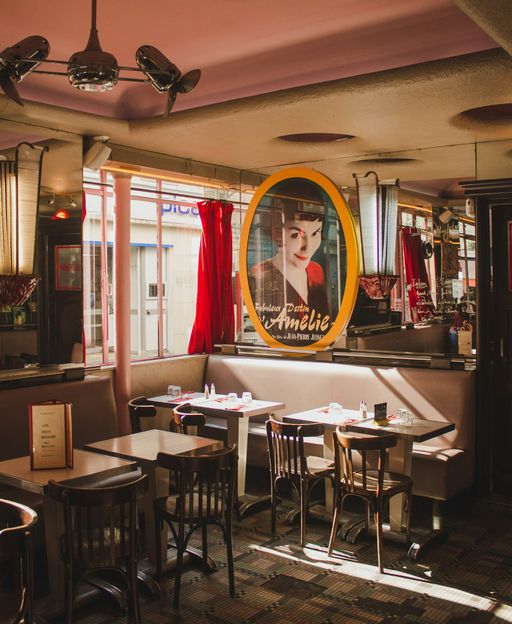
Tourists notice the closed shutters on Sunday mornings. The empty streets. The boulangeries shut after noon. What they miss is where everyone has gone. They are at the table. And they will not be leaving soon.
The Table Is Ready Before the Church Bells Finish
In many French households, preparations begin on Saturday evening. The market was visited, the wine chosen, the tablecloth ironed. By 11am on Sunday, something is already in the oven.
The invitation itself carries weight. Viens déjeuner dimanche — come for Sunday lunch — is one of the most serious social commitments in France. You do not cancel unless someone is genuinely ill. You do not arrive late.
Guests arrive between noon and 12:30. If you are French, you already know this.
Why the Apéritif Alone Lasts an Hour
Before anyone sits down, the apéritif begins. A glass of kir, a pastis, or a crisp Muscadet. Small things to nibble — olives, tiny saucisson slices, a bowl of crisps set out without ceremony.
This is not the warm-up act. It is the first movement. Conversation flows freely. Children run between rooms. The grandparents settle into their chairs. Nobody is in a hurry.
By the time the table is called, an hour has often passed. This is entirely normal.
The Meal Moves in Movements
A French Sunday lunch follows a structure most families could recite in their sleep.
Entrée first — a salad, a slice of terrine, or a bowl of soup depending on the season. Then the main course: something that required hours of slow cooking. A leg of lamb. A daube of beef. A roasted chicken with winter vegetables.
Then the green salad arrives between the main and the cheese, to cleanse the palate. Then the cheese board. Which deserves its own section entirely.
Enjoying this? 7,000 France lovers get stories like this every week. Subscribe free →
The Cheese Course Is Not Optional
In Anglo-Saxon countries, cheese is an afterthought. In France, it is a course.
The board arrives with three to five varieties — a soft Camembert, a firm Comté, something aged and strong if the table leans that way. Fresh bread appears alongside it. Not the heel of yesterday’s baguette. Proper bread.
Nobody rushes this part. Opinions are shared. Someone defends the Roquefort. Someone else holds out for the Reblochon. If you have never watched a French family debate cheese with absolute seriousness, you have missed something essential about this culture. For more on France’s deep relationship with food, read The One Rule About Food Every French Child Knows Before Age Five.
Why Nobody Picks Up Their Phone
This is what surprises foreign visitors most, when they are lucky enough to be invited.
The French Sunday lunch has an unspoken contract. You are present. You contribute to conversation. You do not check your messages. The table is not a place to multitask — it is a place to be, fully and without distraction.
Children grow up learning this. It is never stated as a rule. It is simply how things are done. By the time a French child is eight, they know how to sit at a table for two hours without complaint. This is not strictness. It is culture.
If you are planning your first trip and want to experience this for yourself, our France travel planning guide covers where to eat, what to expect, and how to find the France that exists beyond the tourist trail.
What Ends at 4pm — and What Doesn’t
The meal winds down with something sweet — a tarte tatin, a mousse au chocolat brought by a guest, a handful of madeleines with coffee. The coffee arrives strong and small.
By this point, it is often past 3pm. Sometimes 4pm. The washing up is discussed but not immediately done. Someone suggests a walk. Someone else opens another bottle.
The French word for this moment is traîner — to linger, to dawdle, to make no particular effort to leave. It is one of the finest things the language offers. You might also enjoy the story of how one medieval cheese shaped an entire Alpine community — another reminder of how seriously the French take what goes on the table.
To experience a French Sunday lunch is to understand something the French believe about time. Not that it should be optimised. Not that it should be managed. That it should be lived — slowly, with people you love, around a table that is never cleared before everyone is ready.
That is the ritual. That is who they are.
Join 7,000+ France Lovers
Every week, get France’s hidden gems, seasonal guides, local stories, and the art of la vie française — straight to your inbox.
Love more? Join 65,000 Ireland lovers → · Join 43,000 Scotland lovers → · Join 30,000 Italy lovers →
Free forever · One email per week · Unsubscribe anytime
Leave a Reply