
The Alsace wine route is one of France’s most rewarding drives. Stretching 170 kilometres through the Vosges foothills, it connects dozens of half-timbered villages, medieval market towns, and family-run wineries producing some of Europe’s finest white wines. Whether you have two days or a full week, this guide covers exactly what to do, where to stop, and how to get the most from the route — without the tourist-trail fatigue.
Love France? Join 7,000+ readers on our free newsletter → lovetovisitfrance.substack.com
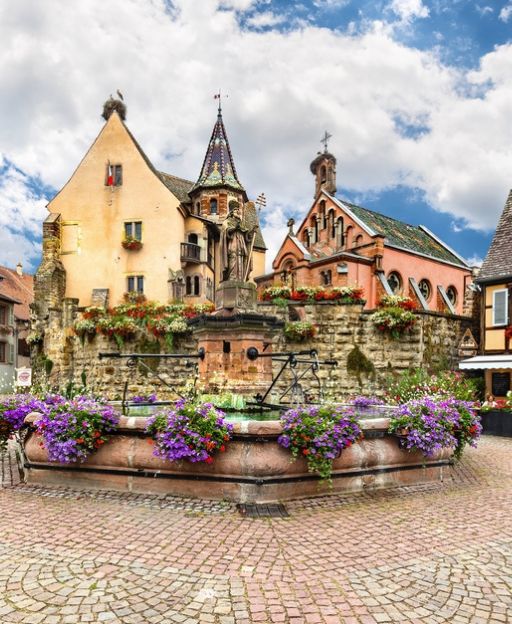
What Is the Alsace Wine Route?
The Route des Vins d’Alsace runs from Marlenheim in the north to Thann in the south. It passes through roughly 70 villages and towns, each offering wine tastings, local cuisine, and architecture that looks more Bavarian than French — a legacy of the region’s complicated history between France and Germany.
Most visitors drive the route, though cycling is increasingly popular. The road is well signposted and easy to follow. You won’t need a paper map, but you will need a plan — because without one, it’s tempting to stop at every winery and lose an entire afternoon in a single cellar.
The wines here are predominantly white. Riesling, Gewurztraminer, Pinot Gris, and Muscat are the four grands nobles of Alsace. Each grape expresses the local terroir differently depending on which section of the route you’re on, which makes tasting your way south a genuinely educational experience.
The Best Villages to Visit on the Alsace Wine Route
Not every village on the route is equally rewarding. The following stops are worth building your itinerary around.
Eguisheim
Many consider Eguisheim the most beautiful village in Alsace. Its concentric medieval streets are lined with flower-festooned houses painted in shades of amber, rose, and sage. The village is also home to several highly regarded producers, including Léon Beyer and Paul Gaschy. Walk the circular Grand Rue first, then follow signs to a tasting room of your choice.
Eguisheim is located just south of Colmar, which makes it an easy add-on to a visit to the larger city. If you’re planning to stay in the area, Colmar itself offers the widest choice of accommodation — read our Colmar travel guide for recommendations on where to stay and what to eat.
Riquewihr
Riquewihr is often compared to a film set. Its 16th-century walls still stand intact, and the main street — all cobblestones and painted shutters — is pedestrianised and well preserved. The Dolder Tower at the top of town offers a good view over the surrounding vineyards. Hugel & Fils, one of Alsace’s most famous négociants, has been based here since 1639.
It’s worth arriving early. By mid-morning in summer, tour groups can make the village feel crowded. The quieter side streets, away from the main tourist drag, are where you’ll find smaller producers willing to pour without appointment.
Ribeauvillé
Ribeauvillé sits beneath three ruined châteaux on the ridge above town, giving the village a dramatic backdrop. It’s one of the more authentic stops on the route — fewer souvenir shops, more butchers and bakers serving locals. The town hosts a famous fête des ménétriers (the street musicians’ festival) each September, drawing visitors from across the region.
Kaysersberg
Kaysersberg is a larger market town with a ruined castle above it and the Weiss river running through its centre. The fortified bridge — a rare medieval survival — is the centrepiece of most photographs. The town is busy with visitors but still manages to feel lived-in. Albert Schweitzer, the Nobel Prize-winning physician and philosopher, was born here, and there’s a small museum dedicated to him near the church.
Mittelbergheim and Dambach-la-Ville
These two villages rarely appear in guidebook top-fives, which is exactly why they’re worth visiting. Mittelbergheim is a quiet producers’ village with some of the best Sylvaner in Alsace. Dambach-la-Ville still has its medieval walls largely intact and a market square that sees more locals than tourists on a weekday morning.
Alsace Wines: What to Taste and Why
Alsace produces wine very differently from other French regions. Wines here are labelled by grape variety, not by appellation — so rather than ordering “a Burgundy” or “a Bordeaux”, you ask for a Riesling or a Gewurztraminer. This makes the wines easier to understand for first-time visitors.
Riesling
Riesling is the region’s flagship grape. Alsatian Riesling is dry (unlike many German versions), with high acidity and strong mineral character. It pairs well with choucroute garnie — the Alsatian sauerkraut dish — and with freshwater fish from the Rhine. The best examples come from the grands crus vineyards, which are steeper, stonier plots that have been classified since 1983.
Gewurztraminer
Gewurztraminer is the grape visitors remember. It produces intensely aromatic wine — lychee, rose petal, ginger — with a slightly oily texture and lower acidity. It’s often served with foie gras, Munster cheese, or Asian-inspired dishes. Some producers make a late-harvest version (vendanges tardives) that edges into dessert wine territory. If you’ve never liked white wine before, this is the one most likely to change your mind.
Pinot Gris and Muscat
Pinot Gris in Alsace is nothing like Pinot Grigio from Italy. It’s fuller-bodied, sometimes smoky, often golden in colour, and pairs well with roasted meats and creamy sauces. Muscat, by contrast, is the lightest of the four grands nobles — floral, grapey, and often drunk as an apéritif. For a deeper understanding of how terroir shapes these wines, our guide to why French wine tastes different explains the concept well.
📬 Love France? Get weekly stories free
Hidden gems, local recipes, and travel inspiration delivered every week.
Subscribe Free →Alsace Food: What to Eat Along the Route
Alsatian food is hearty, comforting, and distinct from the rest of French cuisine. It reflects the region’s dual French-German heritage in almost every dish.
Choucroute Garnie
This is Alsace’s most famous dish — a mound of sauerkraut cooked in Riesling and topped with various cuts of pork: sausages, knuckle, smoked bacon, and sometimes poached potatoes. It sounds simple and it is, but a good choucroute garnie takes hours to prepare. Order it at a traditional winstub (an Alsatian tavern) rather than a tourist-facing brasserie for the authentic version.
Tarte Flambée (Flammekueche)
Tarte flambée is Alsace’s answer to pizza. A thin, unleavened base is spread with crème fraîche, topped with onions and lardons, then cooked in a wood-fired oven for three or four minutes. It’s sold by the platter rather than by the slice and is best eaten immediately, crackling hot. Most winstuben offer it, often as part of a prix-fixe menu.
Munster Cheese
Munster is one of France’s great washed-rind cheeses. It’s made in the Vosges foothills just west of the wine route and has a pungent aroma that’s far more aggressive than the flavour. Eat it on dark bread with cumin seeds, as locals do, or paired with a glass of Gewurztraminer — the wine and cheese share the same regional terroir and work remarkably well together. For more on France’s extraordinary cheese culture, see our complete guide to French cheese.
Practical Information for the Alsace Wine Route
How to Get There
The nearest major city is Strasbourg, which has direct TGV connections to Paris (1 hour 47 minutes) and is also served by Eurostar and direct rail connections from Germany and Switzerland. From Strasbourg, Colmar is 30 minutes by regional train and makes the best base for the southern and central sections of the route. Our guide to travelling France by train covers the full network and how to book.
Driving vs Cycling
Driving gives you flexibility and the ability to carry wine purchases, but cycling is increasingly the preferred way to explore. The terrain is largely flat along the valley floor, and there are well-maintained cycle paths running parallel to the main road for long stretches. Many hotels offer secure bike storage and can arrange cycle hire. If driving, designate a non-drinking companion or plan to buy wine at the end of the day for your hotel cellar.
When to Visit
Late September and October bring the vendanges (grape harvest), when the vineyards are at their most photogenic and many producers open their cellars for tastings with the winemakers themselves. Spring (April to May) is quieter and the blossom on the fruit trees that line the route is spectacular. Summer is the busiest period — beautiful but crowded, especially in Riquewihr and Eguisheim at weekends.
How Many Days Do You Need?
Three days is the minimum to cover the highlights without rushing. A five-day visit allows you to stop at lesser-known villages, take detours into the Vosges hills, and spend evenings properly exploring Strasbourg or Colmar. If you have only a day or two from Paris, focus on the central section between Riquewihr and Eguisheim — this stretch contains the highest concentration of grand cru vineyards and the most rewarding villages.
You Might Also Enjoy
- Colmar Travel Guide: What to See, Do and Eat in Alsace’s Prettiest Town
- French Wine: A Beginner’s Guide to Bordeaux, Burgundy, Champagne and Beyond
- Bordeaux Travel Guide: What to See, Do and Drink in France’s Wine Capital
Plan Your France Trip
Not sure where to start? Our complete France trip planning guide covers everything from choosing the right region and booking trains to packing for the seasons. It’s the best place to start if you’re planning your first trip — or your fifth.
What is the best time to visit the Alsace wine route?
Late September through October is ideal, when the grape harvest is under way and the vineyards turn golden. Spring (April to May) is the quietest and most scenic period outside of harvest season.
How do I get to the Alsace wine route from Paris?
Take a TGV from Paris Gare de l’Est to Strasbourg (1 hour 47 minutes) or Colmar (2 hours 15 minutes with a connection). From either city, the wine route villages are easily reached by car, bike, or local bus.
How many days do I need for the Alsace wine route?
Allow at least three days to cover the main highlights between Marlenheim and Thann without rushing. Five days gives you time to explore the Vosges hills, smaller villages, and Strasbourg in depth.
Join 7,000+ France Lovers
Every week, get France’s hidden gems, local recipes, and travel inspiration — the kind you won’t find in any guidebook.
Subscribe free — enter your email:
Free forever · One email per week · Unsubscribe anytime
Tours & experiences you might love


Powered by Viator. Some links are affiliate links — we may earn a small commission at no extra cost to you.

Leave a Reply