
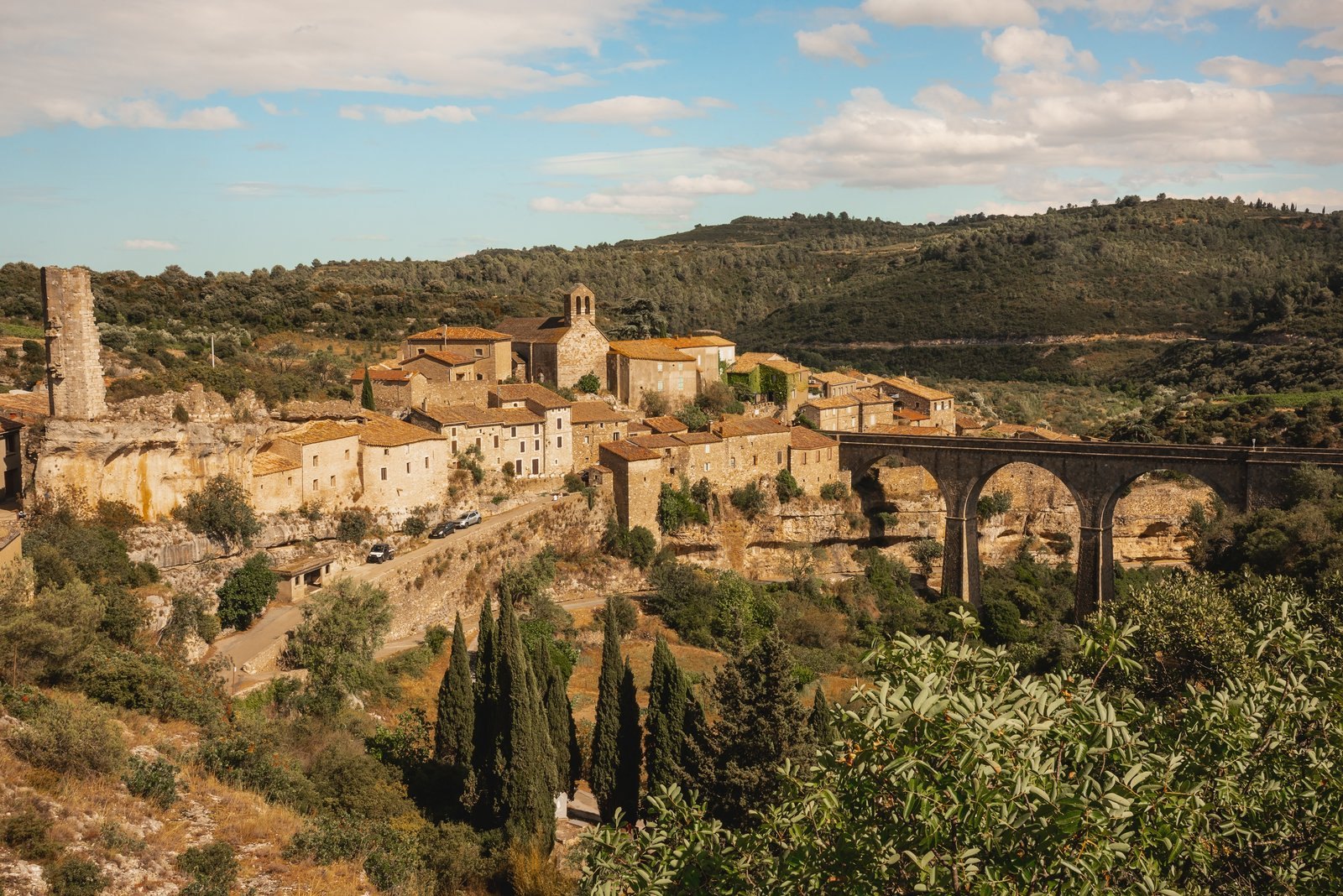
It is one of those questions that sounds like a fantasy until you start running the numbers. Would you rather rent a flat in the 7th arrondissement of Paris, or own a stone farmhouse in the Languedoc? Both are real options for people serious about living in France. Both come with genuine trade-offs. And the answer depends almost entirely on what kind of life you are trying to build.
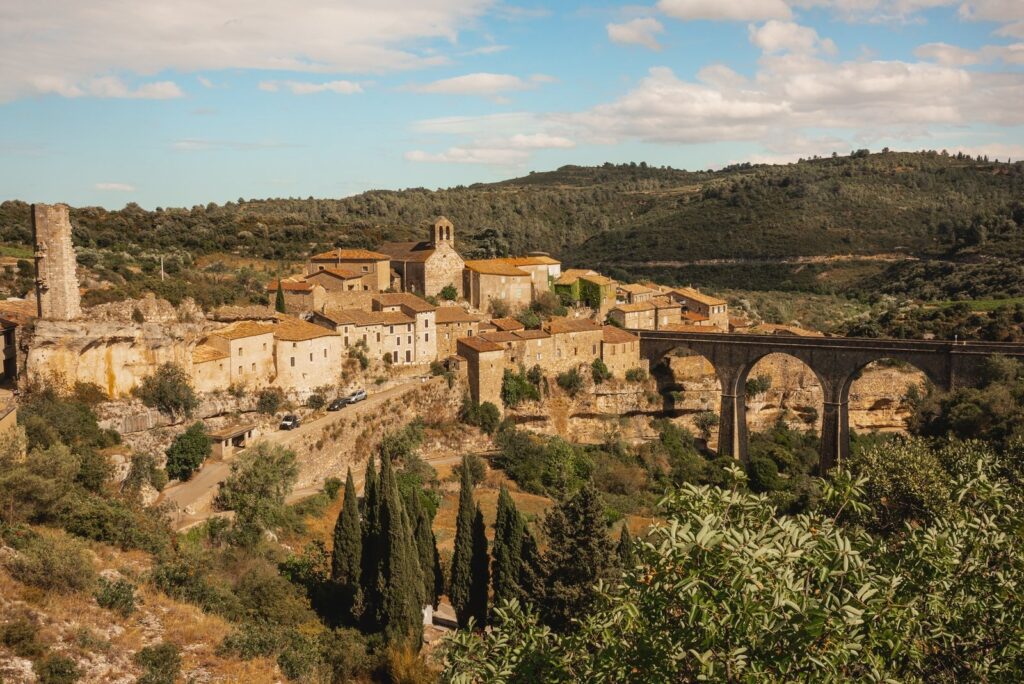
This article breaks down what each option actually costs, what you give up, and what you gain. No rose-tinted descriptions — just the facts you need to think it through clearly.
The 7th Arrondissement: A Prestigious Address with a Price Tag to Match
The 7th is one of Paris’s most sought-after districts. It sits on the Left Bank, home to the Eiffel Tower, Les Invalides, the Musée d’Orsay, and a long stretch of the Seine. The streets are wide, the buildings are Haussmann-era limestone, and the neighbourhood is calm compared to much of central Paris.
A one-bedroom flat in the 7th will set you back between €2,200 and €3,500 per month in rent, depending on size and floor. A 50-square-metre apartment on a decent street with a lift? Expect to pay around €2,600 to €2,900. That does not include charges (building fees), which typically add €100 to €200 per month. Parking, if you need it, is usually another €150 to €250 a month on top.
Buying in the 7th is a different conversation entirely. Prices sit between €13,000 and €17,000 per square metre for good-condition flats, which puts a modest 60-square-metre two-bedroom at roughly €800,000 to €1 million. Properties sell quickly. Competition is stiff. Many buyers are investors or wealthy Parisians downsizing.
What you get in exchange for that cost is access: to Paris’s cultural life, world-class restaurants, museums, international transport links, and a city that runs 24 hours a day. The Metro is at your door. Charles de Gaulle Airport is 45 minutes by RER. The infrastructure is reliable, the healthcare is excellent, and the daily rhythm of picking up a baguette on the way home from the market is entirely real.
The drawbacks are equally real. Space is tight. A “large” flat in the 7th might be 80 square metres. Noise, even in a quiet building, is part of city life. Outdoor space of your own is rare unless you are paying well above the average. And the social pace of Paris — crowded pavements, long queues, the particular demands of Parisian etiquette — is not for everyone.
Love France and want more like this? Subscribe to our free newsletter — practical articles about living in and visiting France, straight to your inbox.
A Stone Farmhouse in the Languedoc: Space, Sunshine, and a Slower Pace
The Languedoc — broadly the region stretching from Montpellier west to Carcassonne and south to the Mediterranean coast — is one of France’s most affordable areas for property. It is also one of the sunniest, with over 300 days of sunshine per year in many parts.
A stone farmhouse (known locally as a mas or bergerie) with three bedrooms, a garden, and outbuildings can be purchased for €180,000 to €350,000 in many parts of the Languedoc. Larger properties with land — a hectare or more — sit in the €300,000 to €600,000 range depending on condition and location. Renovation projects start considerably lower, with habitable stone houses available from €120,000 in rural villages.
Monthly costs for an owned farmhouse are a fraction of Paris rents. Taxe foncière (property tax) on a rural house might be €800 to €1,500 per year. Utilities run higher than a city flat due to size, but electricity and heating bills are still typically manageable. Many owners generate income through seasonal letting, with a three-bedroom farmhouse near Carcassonne or the Canal du Midi commanding €1,500 to €2,500 per week in July and August.
The lifestyle is genuinely different. You have land. You have quiet. In many villages you are a short drive from a market town, a reasonable distance from Montpellier or Perpignan by car, and less than two hours by TGV from Paris or Barcelona. The climate is warm from April through October. The food culture is local and seasonal — wine, cheese, duck, fresh vegetables from the weekly market.
The trade-offs matter, though. Rural Languedoc requires a car — public transport outside the main towns is limited. French bureaucracy can be harder to navigate without a local network. Healthcare is good, but specialist services require a drive to a larger city. The social scene is quieter, especially outside summer. And if you are working remotely, your internet connection will depend heavily on which village you choose — fibre coverage is patchy in rural areas, though improving.
The Real Cost Comparison
Let’s look at what you are actually comparing over a ten-year period, using conservative figures.
Paris 7th — renting: At €2,800 per month (including charges), you spend €336,000 over ten years. You own nothing at the end of it. The flat appreciates in value, but not for you. If rents increase by 3 per cent a year — a realistic assumption for central Paris — your total ten-year outlay rises to around €385,000.
Languedoc farmhouse — buying: Purchase a farmhouse at €280,000 with a €50,000 renovation budget, and your total outlay is €330,000. Finance it with a 70 per cent mortgage at current French rates (around 3.5 per cent over 20 years) and your monthly payment is approximately €1,100, with property taxes and maintenance adding another €300 to €400 per month. After ten years you have significant equity, a property that in many parts of the Languedoc has appreciated modestly but steadily, and the option to let it when you travel.
The numbers are not a straightforward win for either option. Paris costs more but gives you a liquid, high-value asset if you do buy — or, if renting, maximum flexibility and zero maintenance headaches. The Languedoc gives you far more space for far less money and the possibility of building equity, but ties you to a location and requires more active management.
We write about the real France — property, culture, food, travel, and what life here actually looks like. Join our newsletter community and get it straight to your inbox each week.
What Kind of Life Are You Building?
The real question is not financial — it is about the life you want day to day.
Choose the 7th arrondissement if:
- You work in Paris or need regular access to international business hubs.
- You want city infrastructure — top hospitals, international schools, cultural events, dining.
- You value flexibility and do not want to be tied to a property or a specific region.
- You prefer having everything within walking distance rather than needing a car.
- You are drawn to the particular energy and density of Paris life.
Choose the Languedoc farmhouse if:
- You work remotely or are retired and not tied to a specific city.
- You want outdoor space — a garden, land, or both.
- You are looking to build equity rather than pay rent indefinitely.
- You want a base that could generate rental income.
- You prefer a slower pace, a regional identity, and a connection to a particular place.
The Practical Steps if You Are Considering Either Option
For Paris rentals, the process is competitive. Landlords in the 7th expect a dossier: proof of income (typically three times the monthly rent), recent payslips or tax returns, and a guarantor if you are self-employed or a foreign national. Many landlords use services like GarantMe or Visale for guarantees. Expect to move fast — good flats in the 7th let within days.
For buying in the Languedoc, the French property purchase process involves a compromis de vente (preliminary contract) followed by a ten-day cooling-off period, then a notary-led completion process that typically takes two to three months. Budget for notary fees of around 7 to 8 per cent on older properties. A French mortgage is available to non-residents, though the documentation requirements are substantial.
In both cases, speak to a French tax adviser early. Non-residents face specific rules on income tax, capital gains, and wealth tax that can significantly affect your calculations. The French system is manageable, but it rewards planning.
There Is No Wrong Answer — But There Is Likely a Right One for You
The 7th arrondissement and the Languedoc farmhouse represent two fundamentally different versions of France. One is urban, expensive, cosmopolitan, and convenient. The other is rural, affordable, rooted, and spacious. Neither is a compromise — both are full, rich lives — but they are not interchangeable.
The best way to find out which one suits you is to spend time in both before committing. Rent in the 7th for a few months. Spend a summer in a village in the Hérault. See which one feels like home at the end of a rainy Tuesday in February, not just on a sunny weekend in June. France is generous enough to offer both. The work is in knowing yourself well enough to choose.
Want more practical France content — from property and cost of living to where to go and what to eat? Subscribe to our free newsletter and join thousands of people who love France as much as you do.
Tours & experiences you might love


Powered by Viator. Some links are affiliate links — we may earn a small commission at no extra cost to you.

Leave a Reply