
If you want to retire in the Dordogne, start with the places, not the paperwork. This corner of south-west France offers honey-coloured villages, river valleys and market towns that fill up on Saturday mornings. This guide helps you choose where to look first.
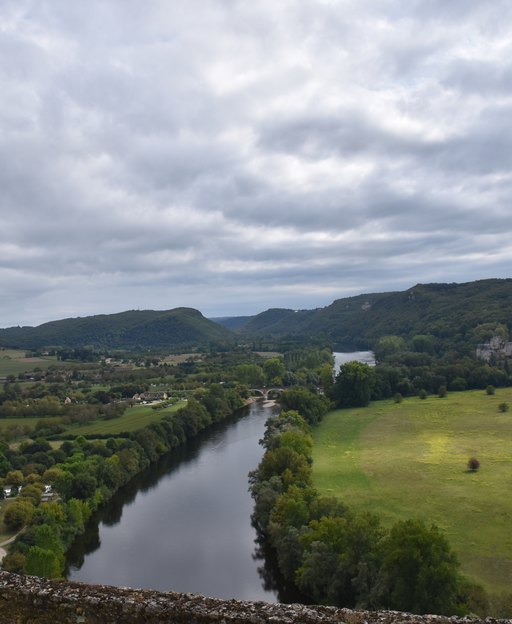
Why People Choose to Retire in the Dordogne
The Dordogne is a département in Nouvelle-Aquitaine. Locals often split it into four colour-coded zones: Périgord Vert, Blanc, Pourpre and Noir. Each zone has its own feel, and that is the key to choosing well. The Dordogne Périgord tourism site is the official starting point for each of them.
The river is the thread through it all. The Dordogne river runs for roughly 480 kilometres from the Massif Central to the Gironde estuary (sources give between 472 and 483 km), and its valley holds some of the most photographed castles in France. Beyond the famous views, you find quiet lanes, walnut groves and small farms.
Daily life here moves at a gentle pace. Mornings start at the bakery. Lunch is long. The market sets the rhythm of the week.
How the Four Périgord Zones Differ
- Périgord Noir: the southeast, with limestone cliffs, castles and the best-known visitor towns, such as Sarlat.
- Périgord Pourpre: the southwest around Bergerac, known for its vineyards.
- Périgord Blanc: the centre around Périgueux, with a real city and a Roman past.
- Périgord Vert: the north, green and wooded, with Brantôme on the Dronne river.
Market Towns Where Daily Life Is Easy
A market town gives you shops, cafés, a pharmacy and neighbours within walking distance. Three stand out for newcomers.
Sarlat-la-Canéda
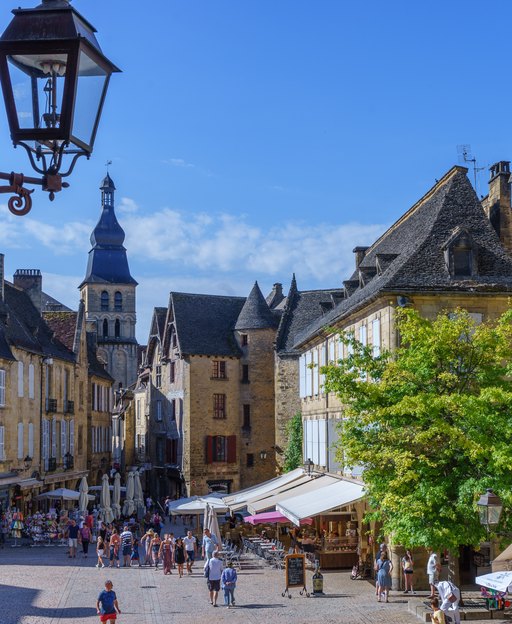
Sarlat is a small medieval town of cobbled streets, and the heart of the Périgord Noir. The Sarlat tourist office says its traditional outdoor market runs on Wednesday morning and all day Saturday, with an organic market on Thursday afternoons, so the week has a clear rhythm. Many residents choose a street just outside the old core, away from the busiest lanes. You can check events and visitor information on the Sarlat tourist office website.
Brantôme
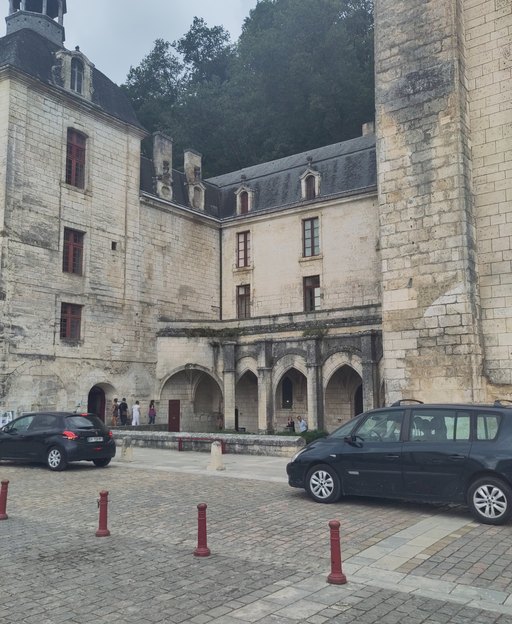
Brantôme is a Petite Cité de Caractère on an island in the Dronne river, with a cliff rising behind its abbey. The official Dordogne Périgord tourism site gives it the nickname “La Venise du Périgord”, the Venice of the Périgord. It is small, so it suits anyone who wants a village pace with a town centre they can walk across.
Bergerac
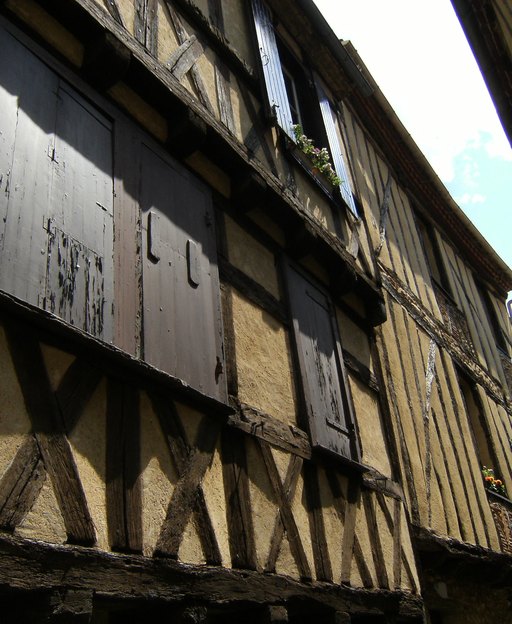
Bergerac is a larger town on the Dordogne river, with wine all around it. The Pays de Bergerac tourism site describes a Town of Art and History with a Renaissance-style centre, half-timbered houses, traditional river boats and a tobacco museum, and suggests about two hours to walk the old town. Wine lovers find vineyards within a short drive.
Villages With a Slower Pace
If a town feels too busy, look at the villages. They trade convenience for atmosphere and quiet.
Saint-Léon-sur-Vézère
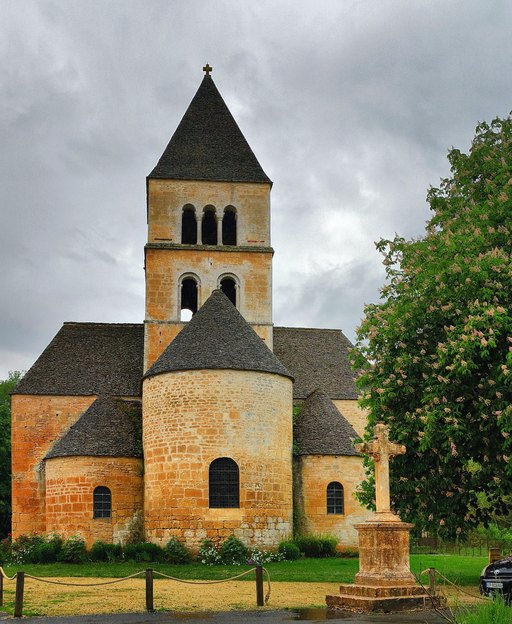
Saint-Léon-sur-Vézère sits in a bend of the Vézère river. A 12th-century Romanesque church stands in the village, and a castle overlooks the valley. It carries the Les Plus Beaux Villages de France label, which celebrates the country’s most attractive villages. The valley around it is rich in prehistoric sites.
Domme
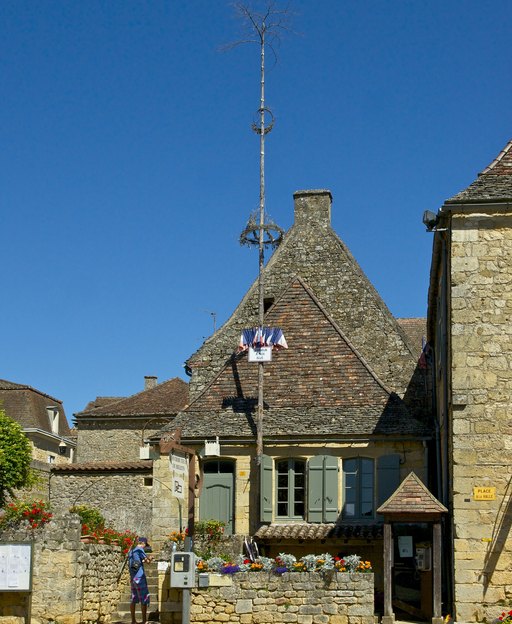
Domme is a bastide, a planned medieval town, built on a rocky ridge above the Dordogne. The official Dordogne Périgord tourism page describes its ramparts and medieval towers, and lists it as one of the Plus Beaux Villages de France.
Beynac-et-Cazenac
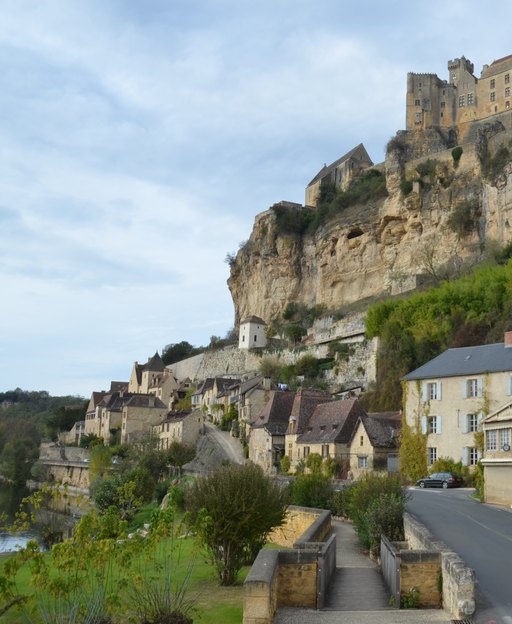
Beynac clings to the foot of its castle cliff, with the Dordogne just below. The Dordogne Périgord tourism listing for the Château de Beynac links to the castle’s own website for visiting details, so check hours there. Domme and Beynac are both beautiful, so visit in more than one season before you decide.
If you want to weigh up the practical side of a move, remember that visas and residency are set by the French government and change over time. The official page on residence permits and long-stay documents for foreigners is on Service-Public.fr (checked November 2026). We do not repeat fees or waiting times here, because they change.
How the Dordogne Feels Day to Day
How Food and Markets Shape Your Week
The Périgord is a food region. Walnuts, truffles, duck and foie gras shape the local menu. Weekly markets give you the producers directly, and you will learn the names of your stallholders within a few weeks.
How Prehistory Fits Into Daily Life
The Vézère valley holds some of the oldest art in Europe. The official Lascaux site says the Lascaux cave was discovered by chance in 1940 by four teenagers, and that visitors today see a full replica, Lascaux IV. Check the site for opening details.
How Walking and Cycling Fit In
Hiking paths, canoe stretches on the river and cycling routes are all close by, and the Dordogne Périgord tourism site lists walks, markets and events. The area suits people who like to be outdoors most days.
Périgueux
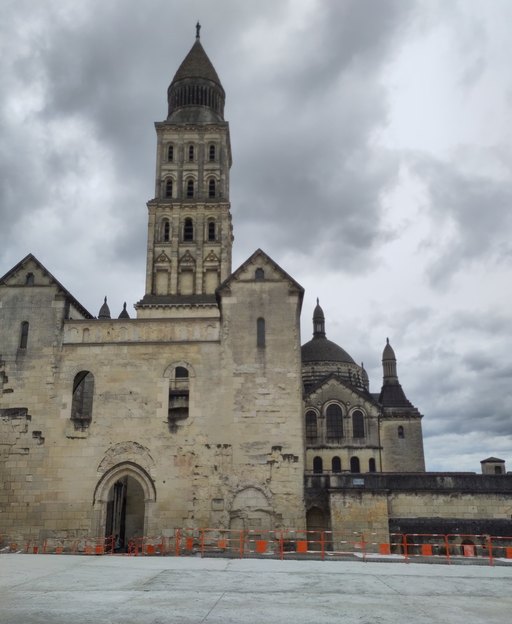
Périgueux is the département’s main city. It has a Roman past and the domed Saint-Front cathedral, and it is the centre of the Périgord Blanc. The Périgueux tourist office points visitors from the Gallo-Roman Domus de Vésone to the cathedral and the Puy Saint-Front quarter. If you want a city’s services close at hand without leaving the Dordogne, start here.
How the Seasons Change Life in the Dordogne
Spring brings green hills, early markets and quiet roads. Summer fills the river valley with visitors and long, warm evenings. Autumn is the harvest season, when walnuts, chestnuts and mushrooms appear at the stalls. In winter some seasonal cafés and attractions close, so check before you travel.
Think about which season you would live in most. If you love company and warm weather, a busy market town works well. If you prefer peace, choose a village and travel to the town for supplies. Many people split the difference by living a few minutes outside a larger town.
How to Settle In: Small Habits That Help
- Learn a few French phrases before you arrive and use them at the market.
- Shop at the same stalls each week so people start to know you.
- Join a walking group, a choir or a village event.
- Say bonjour to everyone when you enter a shop.
How to Test the Dordogne Before You Commit
Rent for a season before you buy. Stay one summer and one winter if you can. Summer shows you the crowds. Winter shows you the quiet, the cold evenings and which shops stay open.
Visit on a market day, then on a Tuesday. Talk to people who live there year-round. Walk to the bakery, the pharmacy and the doctor’s surgery, and ask yourself whether you would do it every day. For more regions to compare, read Which Region of France Would You Actually Move To? and Retirement in France: Village Life or Coastal Town? Our Dordogne travel guide covers the sights in more depth.
Sources
- Dordogne Périgord Tourisme (official)
- Sarlat tourist office: the markets of Sarlat
- Pays de Bergerac Tourisme: Bergerac, Town of Art and History
- Les Plus Beaux Villages de France: Saint-Léon-sur-Vézère
- Cornell University Library, Bastides collection: Domme
- Lascaux IV, official site: history
- Destination Périgueux (tourist office)
- Service-Public.fr: titles, residence cards and travel documents for foreigners in France
Frequently Asked Questions
Which part of the Dordogne is best for retirees?
It depends on the pace you want. Sarlat and Bergerac give you shops and markets, while Périgord Vert, around Brantôme, is green and wooded.
Is the Dordogne busy with tourists?
Summer is the busy season at the best-known places such as Sarlat, Domme and Beynac. Spring and autumn are a better time to see everyday life, so try to visit then as well.
Can I live in the Dordogne without a car?
Many villages are small and spread out, so check what you could reach on foot before you choose. Market towns such as Sarlat, Brantôme and Bergerac have shops and services in the centre.
Why do so many people want to retire in the Dordogne?
The scenery, the food and the slow rhythm of village life come up most often, along with the mix of history, rivers and open countryside.
You Might Also Enjoy
- Dordogne France Travel Guide: Castles, Caves and the Real French Countryside
- Which Region of France Would You Actually Move To?
- Retirement in France: Village Life or Coastal Town?
Plan Your France Trip
Ready to see it for yourself? Our France trip planning hub brings together our guides to every region.
Tours & experiences you might love


Powered by Viator. Some links are affiliate links — we may earn a small commission at no extra cost to you.

Leave a Reply