
Every year, thousands of Britons and other northern Europeans make the move to France after retirement. The appeal is clear: a lower cost of living than many UK cities, a slower pace of life, excellent food, and a healthcare system consistently rated among the best in the world.
But France is not one thing. The retirees who thrive are usually those who made a deliberate choice early on: full immersion in a French village, or a base in one of the coastal towns with an established expat community. Both work. They suit very different people.
This article lays out what each option actually looks like day to day, what they cost, and what kind of person tends to do well in each.
Love France? Get our free weekly newsletter.
Stories, travel ideas, and practical advice for anyone dreaming of life in France.
Subscribe Free →What Full French Village Immersion Actually Looks Like
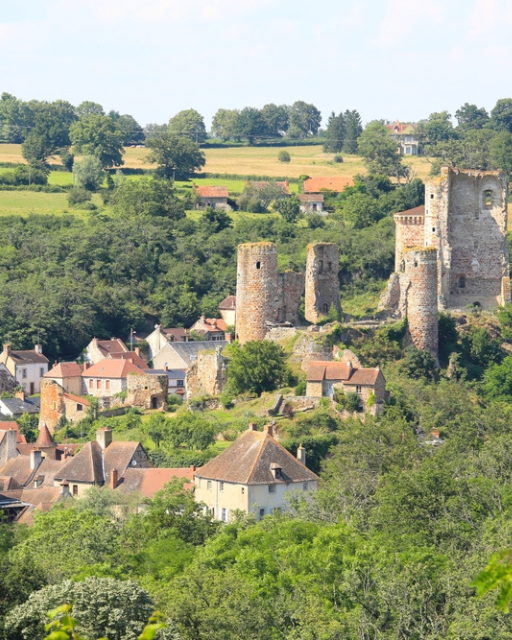
Full immersion means choosing a village or small town where English is not widely spoken and where the social life revolves around French neighbours, the local market, the boulangerie, and the mairie. Areas like the Lot, the Creuse, the Aveyron, and parts of Burgundy and Auvergne are popular for this reason. Property prices are lower, the landscape is beautiful, and the communities are genuinely French.
The reality of this life is that your French will improve quickly — or it will not, and you will find yourself isolated. Most people who go down this route spend six to twelve months feeling genuinely uncomfortable before things click. The payoff is a social life built around French people, a real connection to the local culture, and the deep satisfaction of having actually integrated rather than simply relocated.
You will not find English-language GP surgeries nearby. The paperwork — tax returns, Carte Vitale applications, car registration — will need to be done in French or with local help. The nearest large supermarket may be 30 minutes away. These are not problems, but they are facts worth knowing before you commit.
Village life suits people who are self-reliant, genuinely curious about French culture, and willing to make the social effort required. It also suits those who actively want to break away from an expat bubble. Many people who try it describe it as the best decision they ever made. Others quietly move to a coastal town after two or three winters.
The Appeal of Expat-Heavy Coastal Towns
The Côte d’Azur, the Languedoc coast, parts of Brittany, and towns like Biarritz on the Atlantic coast have long attracted British and northern European retirees. In some areas — Nice, Antibes, Menton, Montpellier — there are English-speaking doctors, English-language social clubs, expat networks, and English-stocked shelves in the local supermarché.
This is not a failure of ambition. It is a different choice. For many retirees, especially those who move later in life or who have a partner reluctant to leave their social circle behind, an expat community provides a ready-made network that can take years to build from scratch in a rural village.
The trade-off is obvious: property costs significantly more on the Riviera and the Atlantic coast than in inland France. A two-bedroom apartment in Nice will cost two to three times more than a similar property in the Corrèze. The summers are busy, the roads crowded, and the towns feel different in July and August compared to the rest of the year.
Language progress also tends to be slower in expat-heavy areas. It is easy to spend entire weeks in English without trying. For some retirees, this is perfectly acceptable. For others, it becomes a long-term frustration.
Cost of Living: What the Numbers Look Like
France is cheaper than the UK on many fronts, but the gap varies considerably by location. In rural central France — the Creuse, the Corrèze, parts of the Dordogne — a three-bedroom stone farmhouse can be purchased for under €150,000. Monthly living costs for a couple, excluding mortgage or rent, typically run between €1,800 and €2,400 depending on lifestyle.
In coastal towns on the Riviera, property prices start significantly higher and running costs follow. Nice, Cannes, and Antibes are expensive by any European standard. Montpellier and Perpignan offer a middle ground — Mediterranean climate, good transport links, a real city with healthcare and culture, but at notably lower prices than the Côte d’Azur proper.
Across both settings, the French healthcare system is a major financial advantage for retirees. Residents who register with the system and obtain a Carte Vitale will typically have 70% of medical costs reimbursed by the state. Top-up insurance (mutuelle) covers most of the remainder at modest cost. Dental and optical care are also substantially cheaper than in the UK.
Get more France in your inbox.
Our free weekly newsletter covers life, travel, food, and culture across France — for people who love the place.
Subscribe Free →Language and Integration
French language skills are not strictly required to retire in France, but the quality of your experience will depend heavily on how much French you can manage. Even basic competence — shopping, greetings, appointments, simple conversation — changes your daily life and how French people interact with you.
In a village setting, you will be forced to use French from day one, and this accelerates progress. In a coastal expat town, the temptation to default to English is constant. Neither is wrong, but it is worth being honest about your likely behaviour before you choose where to live.
Many retirees in rural areas report that their French neighbours are patient and encouraging, provided they make an effort. Turning up to the village fête, buying from the local market, and attempting conversation — even badly — goes a long way. French village communities tend to value effort and presence over fluency.
Healthcare and Practical Matters
Access to healthcare is one of the most important practical factors for retirees. France has excellent hospitals and a well-functioning system of local GPs (médecins traitants), but in rural areas, waiting times for specialists can be long and the nearest hospital may be a significant drive away.
Coastal cities and large towns typically have better access to specialist care, more doctors accepting new patients, and in some cases English-speaking practitioners. For retirees with ongoing health conditions or who anticipate needing frequent specialist appointments, this is worth weighing carefully.
British nationals moving to France need to register as residents, apply for a titre de séjour, and demonstrate health insurance coverage until they qualify for the French system. The paperwork is manageable but requires time and persistence. French bureaucracy rewards patience — allow several months for the initial registration process.
Driving is also worth considering. In rural France, a car is not optional — it is essential. Villages rarely have public transport, and the distances involved make everything car-dependent. In coastal towns and cities, public transport is better, and some retirees manage without a car entirely, particularly in Nice, Montpellier, or Biarritz.
Which Option Is Right for You?
The honest answer is that neither option is universally better. The right choice depends on your French language level, your budget, your tolerance for isolation, your health needs, and what you actually want from the experience.
Choose village immersion if you are willing to put in the linguistic and social effort, want a genuine connection to French life, have a reasonable level of independence in terms of health and transport, and are motivated by the idea of truly becoming part of a community.
Choose a coastal town with an expat community if you want a ready-made social network, better access to English-speaking services and healthcare, a Mediterranean or Atlantic climate, and are comfortable with the higher costs that come with it.
One useful approach: rent before you buy. Spend a full year — including a winter — in any area you are seriously considering before committing. The summers in the Dordogne and on the Riviera are wonderful. The winters are different, and what feels like community in August can feel like solitude in February. The retirees who make the best decisions spend time in their chosen area across all seasons before signing anything.
Planning a move to France — or just dreaming about it?
Join our free weekly newsletter for practical advice, regional guides, and stories from people who love France.
Subscribe Free →Tours & experiences you might love


Powered by Viator. Some links are affiliate links — we may earn a small commission at no extra cost to you.

Leave a Reply