
Stand in any Breton town and something feels immediately different. The road signs appear in two languages. A man at the market plays what sounds like a bagpipe. And when you ask a local whether they feel French, they pause before answering.
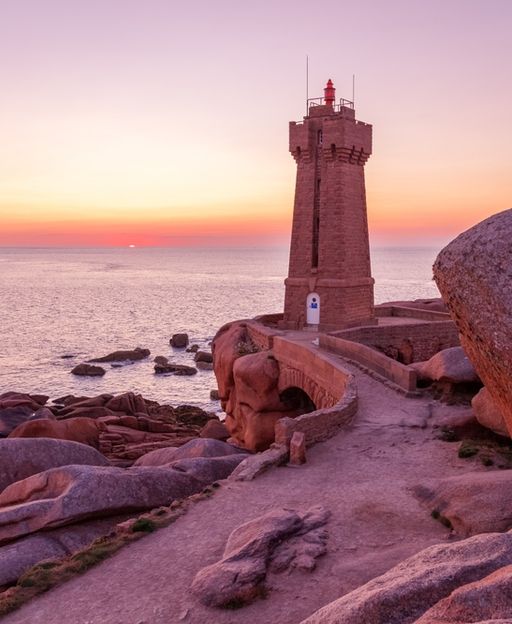
Brittany is not quite like the rest of France. It never has been. And that is exactly what makes it worth understanding.
A Language France Tried to Bury
Breton is a Celtic language. It sits closer to Welsh and Cornish than to French. Around 200,000 people speak it today, mostly in western Brittany — an area locals call Breizh-Izel, or Lower Brittany.
For most of the 20th century, French schools banned Breton outright. Teachers placed a wooden clog around the neck of any child caught speaking it. That child passed it to the next classmate who slipped up. Whoever wore it at the end of the day faced punishment.
The language survived anyway. Bilingual Diwan schools now teach thousands of children in Breton from age two. Road signs across Finistère show Breton first, French second. At summer festivals, you will hear it spoken freely at every stall.
The Food That Owes Nothing to Paris
Brittany developed its own food culture long before the French culinary establishment paid attention.
The galette — a buckwheat crepe — came from necessity. Farmers grew buckwheat because it thrived in Brittany’s poor, acidic soil. The result was a flat, nutty bread that became the foundation of local cooking.
Order a traditional galette complete and you get ham, egg, and melted Gruyere, folded in quarters. You eat it with cold Breton cider — not wine, never wine. Brittany grows apples, not grapes.
Salted butter is another story entirely. France uses unsalted butter in almost everything. Brittany uses butter studded with hand-harvested sea salt from the marshes at Guerande. Richer and more complex, it now sells across the country. But Bretons invented it long before Paris noticed.
Enjoying this? 7,000 France lovers get stories like this every week.
Thinking about it for retirement? If you’ve started thinking seriously about retiring there, our complete our full Retire in France guide covers the visa, healthcare, cost-of-living, and the regions worth shortlisting.
The Celtic Nation Inside France
Brittany belongs to the six Celtic nations — alongside Wales, Scotland, Ireland, Cornwall, and the Isle of Man. This is not a marketing invention. Historians trace it to Celtic migrations in the 5th and 6th centuries AD.
When Roman power collapsed across western Europe, waves of Britons — people from Wales and Cornwall — crossed the Channel. They settled in a peninsula the Romans called Armorica. They brought their language, their saints, and their music. The region became Petite Bretagne, or Little Britain, which eventually shortened to Brittany.
Traditional Breton music features the bombarde, an oboe-like instrument, and the biniou, a small bagpipe. The communal dance known as the fest-noz earned UNESCO Intangible Cultural Heritage status in 2012. Walk through a Breton town in summer and you will find one happening in a car park or village square. It is not a tourist performance — it is just what people do.
How Brittany Joined France — and Has Never Quite Forgotten It
Brittany joined France in 1532 through a treaty. Not a conquest. Bretons will tell you this quickly if you ask.
The Act of Union promised Brittany would keep its own parliament, laws, and customs. Most of those guarantees broke down over the centuries — particularly during the Revolution and the 20th-century campaigns to standardise French culture.
Today, most Bretons want neither independence nor separation. But they guard their identity fiercely. The black-and-white Gwenn-ha-du flag flies from houses, fishing boats, and shop windows across the region. For most people, it is not a political statement. It simply marks who they are.
Brittany rewards slow travel. The ancient standing stones at Carnac rank among the most extraordinary prehistoric sites on earth. Along the coast, Brittany’s oyster culture turns a simple lunch into something memorable. For practical planning, the France trip planning hub covers everything from transport to seasonal timing.
What is the best time to visit Brittany, France?
June to September offers the best weather and the most festivals, including the Festival Interceltique de Lorient in August — one of the world’s largest Celtic music gatherings. Spring and autumn are quieter but equally beautiful.
Where in Brittany can I experience authentic Breton culture?
Head west to Finistere, particularly around Quimper, Brest, and the Crozon Peninsula. This is the heart of Breton-speaking country and where traditional culture remains most active.
Is the Breton language still spoken today?
Yes. Around 200,000 people speak Breton fluently, mostly in western Brittany. Bilingual road signs appear throughout the region, and Diwan schools teach children entirely in Breton from the age of two.
What is a fest-noz and can visitors join?
A fest-noz is a traditional Breton night festival with live music and communal dancing. Anyone can attend — most events welcome newcomers and require no prior knowledge of the steps.
Brittany does not ask permission to be what it is. Walk its granite coastline, order your galette with cider, and listen to a biniou carrying across a harbour at dusk. You will understand quickly why Bretons call themselves a people apart — and why France has never quite argued otherwise.
Join 7,000+ France Lovers
Three times a week, get France’s hidden gems, seasonal guides, local stories, and the art of la vie française — straight to your inbox.
Subscribe free — enter your email:
Know someone who would love this? Share on WhatsApp
Love more? Join 65,000 Ireland lovers · Join 43,000 Scotland lovers · Join 29,000+ Italy lovers
Free forever · Unsubscribe anytime
Frequently Asked Questions
Do people in Brittany speak Breton?
Around 200,000 people speak Breton, a Celtic language closer to Welsh and Cornish than French. While French schools once banned it entirely, Breton is experiencing a revival through bilingual schools and appears on road signs throughout the region.
What exactly is a galette?
A galette is a buckwheat crepe that became popular out of necessity—buckwheat thrived in Brittany's poor soil when wheat didn't. A traditional galette complete comes filled with ham, egg, and Gruyere cheese, served with cold Breton cider.
Why is Breton cuisine so different from French cuisine?
Brittany developed its food culture around what it could grow locally: apples instead of grapes, buckwheat instead of wheat. This geographic independence created entirely distinct dishes that have nothing to do with Parisian culinary traditions.
What makes Breton butter different from butter elsewhere in France?
Breton butter is studded with hand-harvested sea salt from Guerande marshes, making it richer and more complex than the unsalted butter used throughout the rest of France. It's now become popular enough to sell across the country.
🇫🇷 You Might Also Love
Tours & experiences you might love


Powered by Viator. Some links are affiliate links — we may earn a small commission at no extra cost to you.

Leave a Reply