At a proper French dinner, dessert does not come next. The cheese does. Reach for the sweet before the board appears, and your hosts will notice.
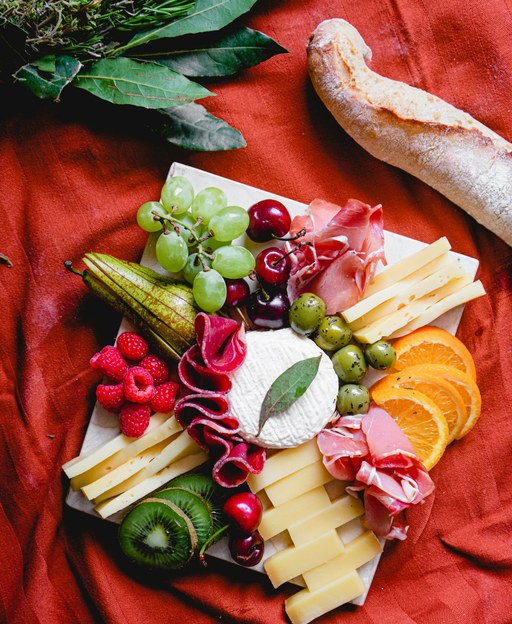
The Plateau de Fromage: More Than a Board
Every French dinner table has a moment before dessert. The host lifts a board from the kitchen — the plateau de fromage — and carries it to the table. This is not an afterthought or a bonus course. In France, cheese holds a fixed position between the main dish and the sweet.
Restaurants treat it as a formal course, listed on the menu after the plat principal. Families serve it at Sunday lunch without thinking twice. Even weekday dinners often include it.
The French view eating as a full arc, and the cheese course marks the turning point. Each course serves a purpose. Cheese rounds out the wine, cleanses the palate, and signals that the savoury part of the meal has reached its peak. Dessert marks the end. Cheese marks the moment just before.
Why Cheese Before Dessert Makes Sense
Many visitors find this confusing. In Britain and much of America, cheese arrives as a starter or at a party alongside crackers. In France, it sits deliberately between the main course and the pudding.
The logic is simple. After the main, red wine still sits in the glass — often a Burgundy or a Côtes du Rhône. Cheese pairs beautifully with it. Tarte tatin does not. The French would never waste the last third of a good bottle by moving straight to sweets.
Cheese finishes the savoury half of the meal. Dessert signals the close. Both have their place. One comes before the other for a reason, and the French see no need to explain it.
What Goes on the Board
A traditional French cheese course offers three to five varieties. Too few feels rushed. Too many overwhelms the palate.
The selection follows an unwritten rule of contrast. One soft, fresh cheese — a young chèvre or a ripe Brie de Meaux. One firm, aged cheese — a Comté, a Beaufort, or a Cantal. One blue — Roquefort from the south, or Fourme d’Ambert from the Auvergne. Hosts who want to push the experience add a washed-rind variety: an Époisses, a Munster, or a Langres.
The sequence matters. Start with the mildest and move towards the strongest. Eat a delicate chèvre after a Roquefort, and you taste nothing. Work through the board in order, and each cheese gets its moment.
Enjoying this? 7,000 France lovers get stories like this every week.
Thinking about it for retirement? If you’ve started thinking seriously about retiring there, our complete our full Retire in France guide covers the visa, healthcare, cost-of-living, and the regions worth shortlisting.
The Rules French Hosts Won’t Explain
French dinner tables operate on understood behaviour. Nobody hands guests a guide. But visitors break these customs without realising.
Never cut the tip off a triangular cheese. The pointe is the richest, most flavoursome part. Taking it for yourself counts as poor form. Always cut along the length, keeping the tip intact for others. A wedge of Brie always slices lengthways, never across the nose.
Bread accompanies cheese — not crackers. The traditional companion is a plain white baguette or a simple country loaf. Strongly flavoured crackers compete with the cheese. Most French hosts won’t offer them at all.
Accept one serving with care. One moderate portion is expected. A small second serving is acceptable if the host offers. The French approach the cheese course with the same measured restraint they bring to every part of the meal.
If you want to understand how the French structure an entire evening around food and drink, start with the apéritif tradition — the ritual that opens proceedings before a single dish appears.
How the Regions Change the Board
The cheese on a French dinner table tells you where you are eating.
Normandy brings soft, cream-rich cheeses — Camembert, Livarot, Pont-l’Évêque — shaped by lush green pastures and Atlantic air. The Auvergne sends aged blues and firm mountain cheeses: Cantal, Salers, Saint-Nectaire. Burgundy’s wine villages contribute washed-rind cheeses that smell extraordinary and taste even better beside a glass of local Pinot Noir. Provence serves fresh goat’s cheese with herbs and olive oil.
This regional loyalty carries through to the wine. A Burgundy host serves Époisses alongside Burgundy wine. An Alsatian table pairs Munster with Gewurztraminer. The cheese and the wine come from the same land, and the connection is the point.
If you’re planning a trip and want to experience this properly, our guide to planning your France trip covers where and when to go for the best regional food culture.
What is the French cheese course called?
The French call it the plateau de fromage (cheese board) or simply the fromage course. It appears on restaurant menus as a separate course, and at home it arrives between the main dish and dessert.
Do the French really eat cheese before dessert?
Always. The savoury course comes before the sweet in French meal structure. This keeps the wine pairing logical — red wine suits cheese far better than it suits dessert, and moving to sweets signals the end of the bottle.
What cheeses belong on a French dinner board?
A good selection balances texture and strength: one fresh or soft cheese, one aged firm cheese, and one blue. A washed-rind variety is optional but welcome. Three to five cheeses gives enough variety without overwhelming guests.
How do you eat cheese the French way?
Move from the mildest to the strongest. Cut along the length of triangular cheeses rather than across the tip. Use plain bread rather than flavoured crackers. Take one modest serving, with a small second if the host offers.
The cheese course is not the final act of a French meal — dessert is. But it is the moment when the evening slows and everyone lingers just a little longer. The French have always understood that the best part of a meal is never the last bite. It is the pause just before.
Join 7,000+ France Lovers
Three times a week, get France’s hidden gems, seasonal guides, local stories, and the art of la vie française — straight to your inbox.
Subscribe free — enter your email:
📲 Know someone who’d love this? Share on WhatsApp →
Love more? Join 65,000 Ireland lovers → · Join 43,000 Scotland lovers → · Join 29,000+ Italy lovers →
Free forever · Unsubscribe anytime
🇫🇷 You Might Also Love
Tours & experiences you might love


Powered by Viator. Some links are affiliate links — we may earn a small commission at no extra cost to you.

Leave a Reply