
Every weekday, millions of French children sit down to a four-course lunch. They don’t rush. They don’t eat at their desks. They don’t unwrap a sandwich from a packet.
What they eat instead says almost everything about how France thinks about food — and about what it means to do something properly.
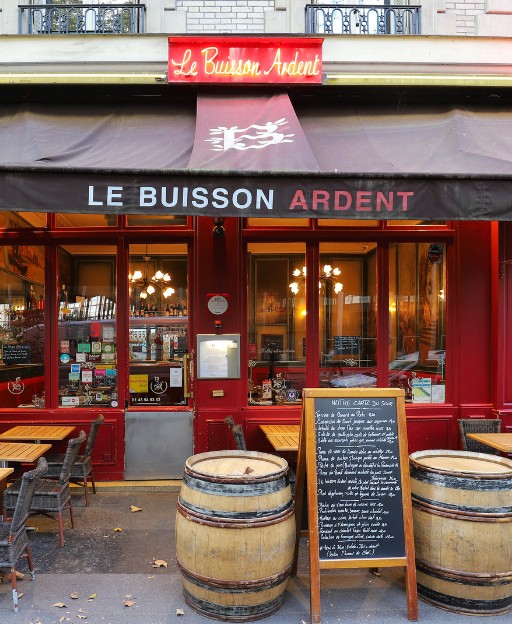
What’s Actually on a French School Tray
The French school lunch — known as la cantine — follows a fixed structure every day. It begins with a starter: sliced tomatoes with vinaigrette, grated carrots, a small green salad, or occasionally sardines on a plate. Then comes a main course — roast chicken with green beans, a gratin, or fish with rice. After that, a cheese course: a small wedge or portion, often a regional variety. Then a dessert: fresh fruit, a yogurt, or a small slice of tart.
Water is the only drink. Not fizzy. Not flavoured. Water.
This isn’t a special occasion menu. It’s a Tuesday in October.
The Law That Governs Every Bite
French school canteens are not left to chance. A national decree sets the minimum nutritional standards for all state school meals. Chips can appear no more than once per week. Fried food is capped across a 20-meal cycle. Every menu must include seasonal vegetables. Every lunch must include protein. Cheese must appear regularly.
The law also limits ketchup. Not just recommends against it — limits it. Children may not add it freely to whatever they like. Taste education is written into policy, not left to chance or parents’ preferences.
France does not believe that children naturally know what to eat. It believes they need to be taught — one lunch at a time.
The Hour That Cannot Be Shortened
Most French schools give children at least an hour for lunch. Many give closer to 90 minutes. This is not generous by accident. The expectation is that eating is a social act — something done together, at a table, in no particular hurry.
Children sit in groups. They move through the courses. They talk. Teachers often eat nearby, in the same building, following the same rhythm.
When a school in the south trialled cutting the lunch break to 45 minutes, the backlash from parents was immediate. The meeting to discuss it ran considerably longer than the proposed lunch break.
Why French Parents Want Their Children to Eat There
La cantine is not simply a practical solution for working parents. Many French families actively choose it because they believe in what it teaches. The assumption — backed by research — is that a child who spends years eating a structured, four-course lunch develops a different relationship with food than one who doesn’t.
French children eat a wider range of vegetables than children in most comparable countries. They are less likely to refuse unfamiliar foods. Nutritionists point to the school canteen as a key factor.
It connects directly to the wider French philosophy — explored in this piece on why the French never eat lunch alone, standing up, or in a rush — that food is not fuel. It’s a practice that shapes who you are.
Enjoying this? 7,000 France lovers get stories like this every week.
Thinking about it seriously? If you’ve started actually planning a move, our complete our complete Moving to France guide walks through every step, every cost, and the paperwork that catches most people out.
The Quiet Hour Visitors Always Notice
Visit a small French town between noon and two o’clock on a school day and you will notice something unusual. The streets go quiet. The boulangerie puts up its closed sign. The hairdresser dims the lights. Even at the local marché, vendors begin packing up by half past twelve.
France takes a pause. Adults stop for lunch. Children stop for lunch. The whole country eats at roughly the same time, and the streets show it.
For visitors used to eating on the move, it can feel disorienting at first. Once you understand what’s happening — that the country has simply decided this hour belongs to the table — it starts to feel like the most reasonable thing in the world. If you’re exploring France’s weekly markets, plan around it: mornings are the time to browse, and noon is the time to find somewhere to sit down properly.
The Debate That Never Seems to End
La cantine is not without its critics. Some parents worry that budget pressures lead to lower-quality ingredients. Some children push the vegetables aside regardless. A handful of rural schools have quietly shortened the lunch break as costs have risen.
But the model holds. Each time it is challenged, the response is similar: changing the school lunch means changing something France believes about how people should eat together. And that conversation, unlike the meal, tends to go on and on.
Every country teaches children something through food. France teaches them to sit down, slow down, and treat a meal as something worth doing properly. That lesson tends to follow them into adulthood — and it’s one of the quieter reasons France feels like such a different country the moment you sit down to eat.
If this has made you curious about visiting France, our France travel planning guide is the best place to start.
Join 7,000+ France Lovers
Three times a week, get France’s hidden gems, seasonal guides, local stories, and the art of la vie française — straight to your inbox.
Subscribe free — enter your email:
Love more? Join 65,000 Ireland lovers → · Join 43,000 Scotland lovers → · Join 30,000 Italy lovers →
Free forever · Unsubscribe anytime
🇫🇷 You Might Also Love
Tours & experiences you might love


Powered by Viator. Some links are affiliate links — we may earn a small commission at no extra cost to you.

Leave a Reply