
Before the yachts arrived, before the casinos opened and the villas climbed the hillsides, the French Riviera was a working coast.
Fishermen mended nets on beaches that tourists now pay fortunes to sit on. Hill villages above the sea grew olives and cut flowers for the perfume trade. The light was extraordinary — everyone agreed on that — but for centuries, only the people who lived there noticed.
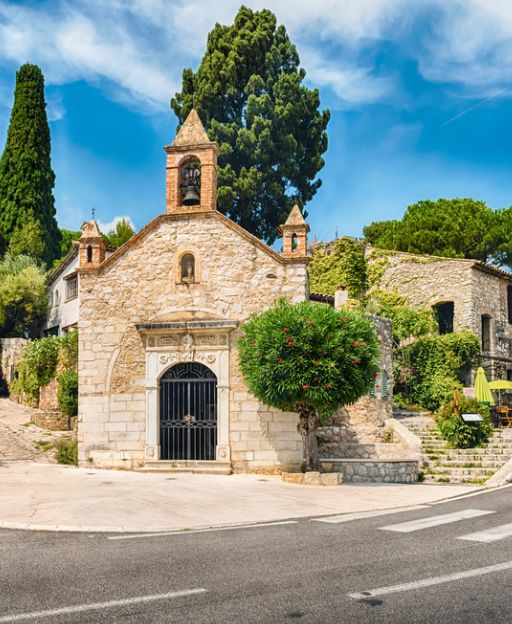
A Coast of Working People
The Côte d’Azur has a long history before it had a glamorous name. The coastline from Toulon to Menton was shaped by fishing communities, small farms, and hilltop villages built for defence rather than views.
Menton, now known for its lemon festival and belle époque hotels, was Europe’s largest lemon producer for most of the 19th century. The local economy ran on citrus, olive oil, and fishing — not tourism.
The villages perched high on limestone ridges had a different purpose. Mougins, Èze, Gourdon — they were built where they were to keep inhabitants safe from coastal raiders. The views were an accident.
The English Who Came for Their Health
The first outsiders came not for glamour but for mild winters. In the 1820s, British aristocrats began wintering in Nice, told by their doctors that the Mediterranean climate would ease respiratory illness.
English visitors walked the seafront in such numbers that a raised promenade was built for them — the Promenade des Anglais, which still runs the length of Nice’s bay today.
This was not tourism as we understand it. It was a slow, seasonal migration of the unwell and the wealthy. They rented rooms, stayed for months, and largely kept to themselves.
When the Painters Arrived
The second wave of outsiders came for the light.
Paul Signac sailed into Saint-Tropez in 1892, anchored his boat, and never really left. He bought a house, spent decades there, and told friends. Matisse followed. Then Renoir settled in Cagnes-sur-Mer, where his arthritic hands could still paint in the warm southern air.
The painters didn’t transform the villages — they documented them. What they found was an ordinary fishing coast with an extraordinary quality of light: clean, sharp, and golden in the late afternoon. You can still see it today from the ramparts of Saint-Paul-de-Vence, if you arrive before the day-trippers do.
Enjoying this? 7,000 France lovers get stories like this every week.
Thinking about it seriously? If you’ve started actually planning a move, our complete our complete Moving to France guide walks through every step, every cost, and the paperwork that catches most people out.
The Railway Changed Everything
In 1864, the railway reached Nice. Within twenty years, the Côte d’Azur was transformed.
Wealthy Parisians and European aristocrats could reach the coast in a day. Grand hotels rose in Cannes, Monte Carlo, and Menton. The Belle Époque arrived in full — casinos, opera houses, and seafront promenades lined with imported palms.
The Riviera reinvented itself as Europe’s playground. The fishing economy began a long retreat. The 20th century brought Fitzgerald and Hemingway in the 1920s, then Brigitte Bardot in the 1950s, then the international jet set. Each wave pushed the old coast a little further back.
What Still Survives
Not all of it has gone. The original Riviera survives in the margins, if you know where to look.
Head inland ten minutes from any coastal resort and the old landscape reappears. In Grimaud, Gourdon, and Roquebrune-Cap-Martin, stone streets and quiet squares feel like the Côte d’Azur before it was famous. Markets open in village squares. Cafés don’t offer menus in English.
In Antibes, the covered market in the old town still opens early with locally caught fish. In Villefranche-sur-Mer, the deep natural harbour has launched small boats at dawn for centuries. And Grasse, twelve kilometres inland, still produces perfume from locally grown mimosa, rose, and jasmine — using methods that predate the first tourist hotel by three hundred years.
If you’re exploring the wider region, our Provence Travel Guide covers the villages, markets, and coastline in detail. And when you’re ready to plan where to stay, the best hotels in Nice and the French Riviera covers options across all budgets. Start your planning at our France trip planning hub.
The coast that sells itself on glamour has always had a quieter identity underneath. Move slowly, go inland, arrive before the day-trippers — and you’ll catch a glimpse of the Riviera that existed long before anyone decided to make it famous.
Join 7,000+ France Lovers
Three times a week, get France’s hidden gems, seasonal guides, local stories, and the art of la vie française — straight to your inbox.
Subscribe free — enter your email:
🇫🇷 Discover the France Most Tourists Never Find
Get our free guide to 25 hidden villages of France — then join 7,000+ readers for weekly stories about places most guidebooks never mention.
Get Your Free Village Guide →Love more? Join 65,000 Ireland lovers → · Join 43,000 Scotland lovers → · Join 30,000 Italy lovers →
Free forever · Unsubscribe anytime
🇫🇷 You Might Also Love
Tours & experiences you might love


Powered by Viator. Some links are affiliate links — we may earn a small commission at no extra cost to you.

Leave a Reply