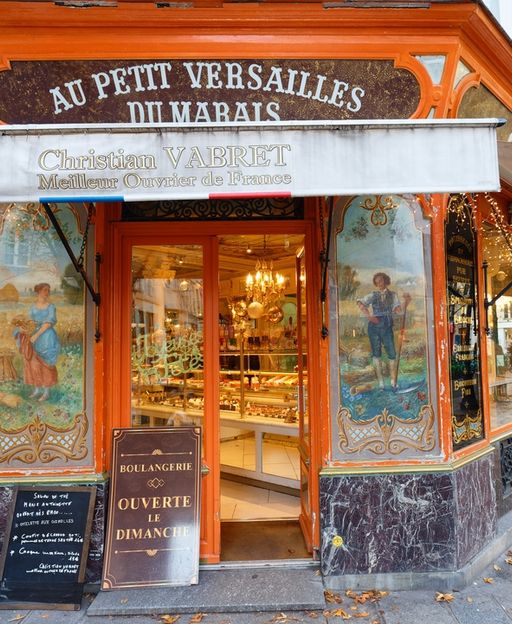
Walk down almost any street in France and you’ll see the word boulangerie above a door. It looks traditional. It feels permanent. But in France, that word is protected by law — and using it without the right to do so can cost a baker their licence.
The 1993 Law That Changed What a Boulangerie Must Be
In 1993, France passed the Décret Pain — a law so specific it defined exactly what a boulangerie is allowed to be. To display the word, a shop must make its own dough, shape its own loaves, and bake them on the premises every single day. No buying pre-made dough from a factory. No reheating frozen part-baked loaves. The bread must come from hands that work in that kitchen.
Break the rule and the word comes down. It is that simple.
Why France Needed the Law in the First Place
By the late 1980s, industrial bread had flooded France. Supermarkets and chain shops were selling convenience bread — factory-made, part-baked, then finished in in-store ovens. They called themselves boulangeries. To the French, this was not just misleading. It felt like a kind of fraud.
The real bakers — rising at 3am to mix, knead, shape, and bake — were being buried under a word they had spent years building their craft around. Their customers could not tell the difference from the sign alone. The law drew a line between a shop that sold bread and a shop that made it.
What It Costs a Baker to Keep the Name
Running a real boulangerie is not a small commitment. The first batches go into the oven before dawn. By 7am, the shop smells of warm crust and the queue is already forming outside. The baker has usually been working for three hours before most of France is awake.
French law also stipulates that at least one boulangerie in any town must remain open on Sundays and public holidays. The responsibility rotates among local bakers. Even on Bastille Day, the baguette must be available. This is not a rule anyone argues with.
Enjoying this? 7,000 France lovers get stories like this every week.
Thinking about it seriously? If you’ve started actually planning a move, our complete our complete Moving to France guide walks through every step, every cost, and the paperwork that catches most people out.
How to Spot a Real Boulangerie When You Visit France
Look for the words artisan boulanger on the sign. This badge means the baker trained through a formal apprenticeship. Then look at the bread itself: a genuine baguette de tradition has a slightly uneven shape, an irregular golden crust, and a crumb with holes of different sizes.
Factory bread looks perfect. Artisan bread looks alive. If every baguette in the display is exactly the same shade of pale gold and exactly the same length, you are looking at industrial bread. It is fine. But it is not the same thing.
If you are still planning which part of France to visit first, the France travel planning guide is the best place to start.
The Small Daily Ceremony the Law Was Written to Protect
There is a particular French habit that most visitors never notice. It is called aller chercher le pain — going to get the bread. It is not a chore. It is a moment. The walk to the boulangerie, the warmth of the paper bag, the small piece of heel eaten before you reach your own door.
Bakers know about this ritual. Many leave the quignon — the end piece — untucked for that very reason. It is an unspoken agreement between baker and neighbourhood.
You can read more about these quiet everyday rituals in The Saturday Morning Ritual Every French Town Guards Fiercely. And if you want to understand the people behind the counter, The Hidden Symbol on a French Baker’s Collar That Means Everything explains a tradition that goes back centuries.
In 2022, the art of the French baguette was added to UNESCO’s Intangible Cultural Heritage list. It joined flamenco, the Mediterranean diet, and the Mongolian art of falconry. For the French, this came as no surprise. They had already made their position clear — in law, in custom, and in the simple act of walking to the corner every morning before breakfast.
Join 7,000+ France Lovers
Three times a week, get France’s hidden gems, seasonal guides, local stories, and the art of la vie française — straight to your inbox.
Subscribe free — enter your email:
Love more? Join 65,000 Ireland lovers → · Join 43,000 Scotland lovers → · Join 30,000 Italy lovers →
Free forever · · Unsubscribe anytime
🇫🇷 You Might Also Love
Tours & experiences you might love


Powered by Viator. Some links are affiliate links — we may earn a small commission at no extra cost to you.

Leave a Reply