
Charles de Gaulle once asked how anyone could govern a country with 246 different kinds of cheese. He said it in exasperation. The French took it as a badge of honour. Today France produces over 1,200 named cheeses. That number keeps growing. And every single one carries the fingerprint of the place that made it.
A Cheese for Every Landscape
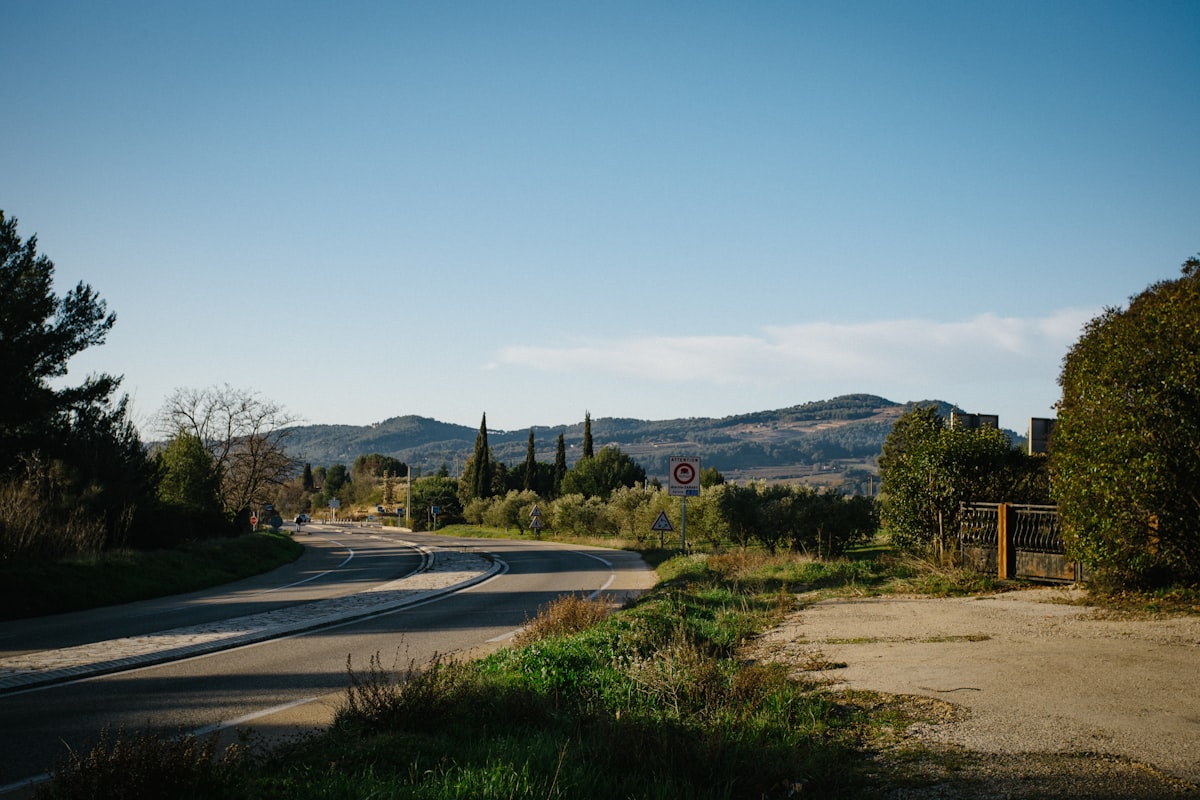
France’s geography created wildly different environments within a single country. The result is a cheese tradition that reads, at its core, like a map of the land.
Normandy’s dairy cows graze on lush, rain-softened fields and apple orchards. Their milk is rich and fatty. It becomes Camembert, Livarot, and Pont-l’Évêque — soft, buttery, slightly pungent cheeses that taste of that wet northern pasture.
The Auvergne and Jura mountains push animals to high-altitude summer pastures. The milk is more concentrated up there. It produces Comté, Cantal, and Salers — pressed, aged, nutty — cheeses that need months to become themselves.
Deep in Aveyron, limestone caves maintain a constant humidity and temperature all year round. For centuries, locals have used them to age Roquefort. Blue-veined, crumbly, sharp — nothing else tastes like it because nothing else comes from there.
This is what the French call terroir — the belief that food carries the taste of its place. The concept applies to wine. It applies equally to cheese.
The AOC System: Protecting the Originals
France protects its cheese traditions with the same seriousness it applies to its wines. The AOC (Appellation d’Origine Contrôlée) system legally protects 45 French cheeses. A genuine Camembert de Normandie must be handmade from unpasteurised Norman milk. Roquefort must age in the Combalou caves. There are no shortcuts.
Industrial producers have tried for decades to copy French classics at scale. The AOC system ensures the original always outranks the imitation. When you buy a protected cheese in France, you know where it came from and exactly how it was made.
The system also preserves rare breeds, traditional methods, and entire farming communities that would otherwise have disappeared. Buy an AOC cheese in France and you are supporting something that has survived centuries of pressure to become ordinary.
Enjoying this? 7,000 France lovers get stories like this every week. Subscribe free →
The Cheese Course — a Ritual With Rules
Ask a French person where cheese fits in a meal and they will look at you with mild concern. Cheese comes after the main course and before dessert. It never appears at the start. It never sits on crackers alongside drinks, the way it is served in Britain or America.
The plateau de fromages — the cheese board — arrives after the main plates are cleared. You choose your own pieces. You eat with bread, not biscuits. You work from mildest to strongest.
One rule applies above all others: never take the “nose” of a triangular cheese. The pointed tip is the best part. Cutting it leaves everyone else with less. The French consider this a serious social error.
The ritual is slow and social. Wine stays on the table. Conversation continues. Nobody rushes to dessert. If you want to understand how the cheese course fits into a full French Sunday, this piece on the Sunday lunch tradition shows how each course earns its place.
Where to Find the Real Thing
Supermarket cheese exists in France. The French buy it. But no serious French cook would serve it to guests.
The fromagerie — the specialist cheese shop — is where French cheese culture truly lives. A good one stocks sixty or more varieties. The fromager tells you what is ripe today, what needs another week, and what pairs best with a particular wine.
Provence markets carry their own regional cheeses: small goat cheeses called banon, wrapped in chestnut leaves. Normandy market stalls sell Camembert directly from the farms that produce it. Jura villages put out wheels of young Comté at harvest time.
If you want to understand French cheese, spend fifteen minutes at a market fromagerie. Ask what is at its best today. The answer will always surprise you.
Normandy alone deserves a dedicated visit — the fishing villages along the Normandy coast show the same quiet tradition and fierce local pride that produces the region’s great cheeses.
Planning a longer trip? The France travel planning guide covers the main regions and what makes each one worth exploring in depth.
What are the most famous French cheeses?
Camembert, Brie de Meaux, Roquefort, Comté, and Reblochon rank among the most recognised. France has over 1,200 named cheeses — these five are a starting point, not a ceiling.
When do the French eat cheese during a meal?
Cheese comes after the main course and before dessert. A shared board arrives at the table and guests select their own pieces. Bread accompanies the cheese — never crackers.
Where can visitors buy the best French cheese?
Seek out a fromagerie at a local market or in town centres. These specialist shops sell cheese at peak ripeness. Many farmhouse producers also sell directly at weekend markets, particularly in Normandy, Provence, and the Jura.
What is the AOC system for French cheese?
AOC (Appellation d’Origine Contrôlée) legally protects 45 French cheeses. It guarantees each one was made in a specific region using traditional methods. The system prevents imitation products from using protected names.
A piece of Comté brought home from a Jura market. A slice of Camembert eaten in a Norman farmyard. A crumble of Roquefort alongside a glass of Sauternes. France puts its whole geography onto a cheese board — and every bite feels like an arrival.
Join 7,000+ France Lovers
Three times a week, get France’s hidden gems, seasonal guides, local stories, and the art of la vie française — straight to your inbox.
Subscribe free — enter your email:
Free forever · Unsubscribe anytime
🇫🇷 You Might Also Love
Tours & experiences you might love


Powered by Viator. Some links are affiliate links — we may earn a small commission at no extra cost to you.

Leave a Reply