
Before the first ski lift arrived in the French Alps, winter in these mountains was not a season for tourism. It was a season for survival. The villages that tourists now flock to in December were, for hundreds of years, sealed off from the rest of France by ice and snow — and what happened inside them was extraordinary.
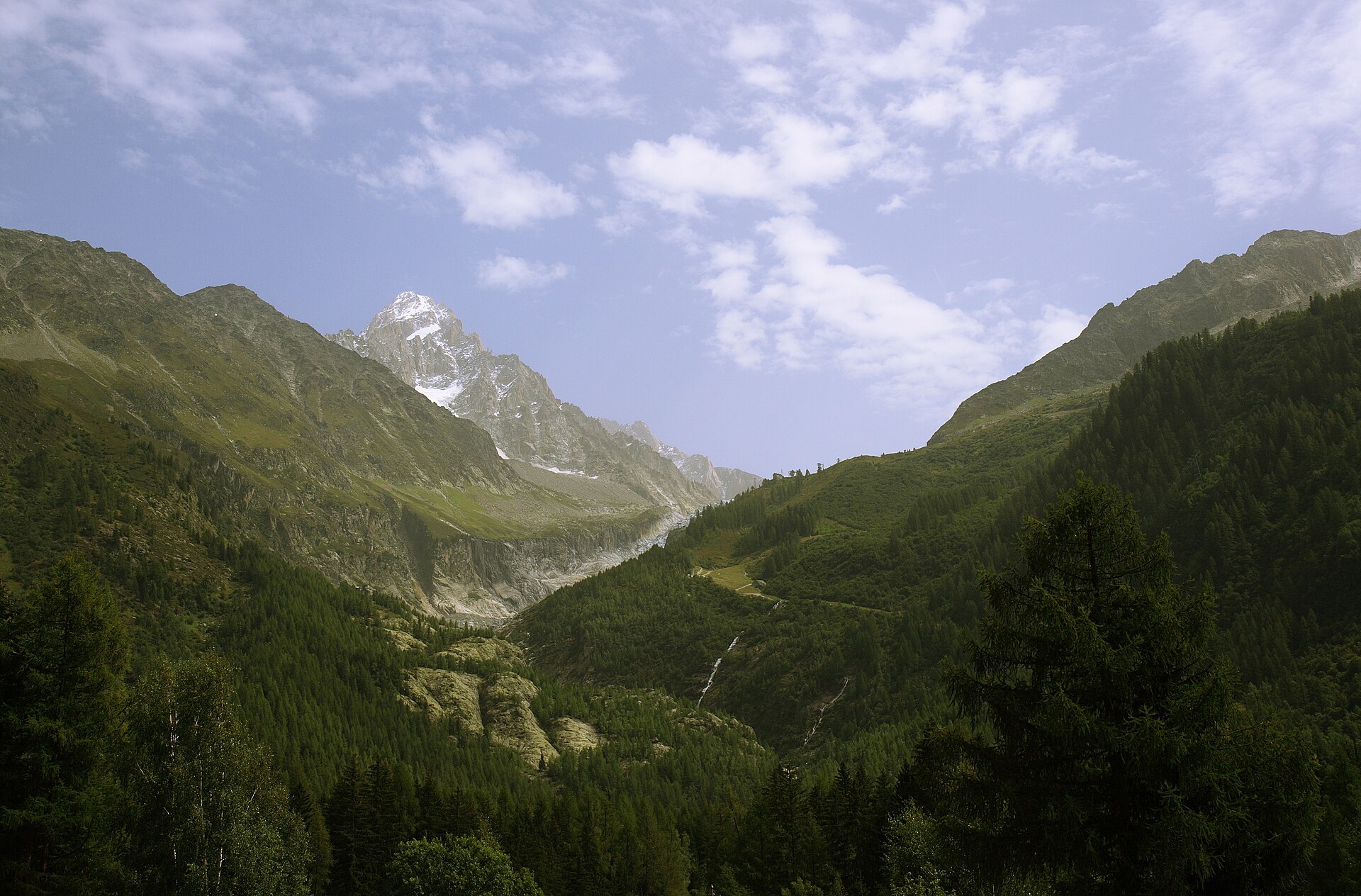
When the Snow Came, the World Shrank
From roughly November to April, most Alpine villages became islands. The high passes closed. Letters stopped arriving. Families who had not stored enough hay, cheese, and dried meat in autumn simply went hungry.
The houses were built for this. Cattle were kept on the ground floor — not for convenience but for warmth. Their body heat rose through the floorboards into the rooms above. Hay lofts sat directly over living quarters. In the coldest weeks, some families barely stepped outside at all.
The Trades That Filled the Long Winters
Sitting still was not a luxury Alpine families could afford. Men took up wood carving, watchmaking, and lace-making — crafts that needed little more than time, patience, and materials the forest or the flock could provide.
Others left altogether. Young men from villages in the Savoie and the Hautes-Alpes walked down to the cities each autumn, working as knife-grinders, chimney sweeps, or travelling traders, then returned in spring. These seasonal migrations shaped village economies for centuries.
A Community Built Around Shared Risk
No Alpine family survived winter alone. Villages built systems of mutual aid that were as structured as any institution. Neighbours shared tools, labour, and food. If a cow died or a barn collapsed under snow, the community absorbed the loss together.
The chapels built in these villages — many still standing, some with frescoes dating to the 1700s — were not just places of worship. They were meeting points, the social infrastructure around which every seasonal rhythm was organised.
If you are planning a trip to explore this corner of France, our France travel planning guide has everything you need to get started.
Then the British Arrived with Ice Axes
The transformation of the Alps did not begin with the French. It began with foreign visitors. British mountaineers descended on Chamonix in the late 18th and early 19th centuries, drawn by the first ascent of Mont Blanc in 1786. They came not for snow, but for the summits.
The mountain guide profession that grew around Chamonix — one of the most remarkable chapters in French mountain history — was built to serve these foreign adventurers. By the late 1800s, Chamonix had hotels, electricity, and a railway. A quiet farming village had become a resort, almost without meaning to.
Enjoying this? 7,000 France lovers get stories like this every week.
Thinking about it for retirement? If you’ve started thinking seriously about retiring there, our complete our full Retire in France guide covers the visa, healthcare, cost-of-living, and the regions worth shortlisting.
When the Lifts Changed Everything
Recreational skiing came to the French Alps slowly, then suddenly. The 1930s brought the first mechanical lifts to early resorts across the region. The post-war boom and French government investment in winter tourism through the 1950s and 60s — known as the Plan Neige — transformed the landscape in under a generation.
Villages that had spent centuries in quiet self-sufficiency now found themselves at the centre of a leisure economy. The old grenier became a boutique. The barn became a rental apartment. The long winters, the seasonal migrations, the shared survival — all of it faded into memory almost overnight.
What Still Remains
Look carefully and the old Alps are still visible beneath the modern surface. Traditional chalets with their wide-eaved roofs were designed for a world without central heating or motorised transport. Village chapels still carry centuries-old frescoes. Stone barns connected to farmhouses by a single interior door remain standing in quieter valleys.
Smaller resorts — Bonneval-sur-Arc, Les Contamines-Montjoie, Bessans — have resisted the most aggressive development. In these places, the landscape still feels closer to what it once was: a high mountain community that happened to discover skiing, rather than a resort with a village attached.
The next time you look out across a French Alpine valley, try to see it as it once was — not as a backdrop for a ski holiday, but as a world that asked everything of the people who called it home. That world is mostly gone now. But the shapes of it are still there, carved into the stone.
Join 7,000+ France Lovers
Three times a week, get France’s hidden gems, seasonal guides, local stories, and the art of la vie française — straight to your inbox.
Subscribe free — enter your email:
Love more? Join 65,000 Ireland lovers → · Join 43,000 Scotland lovers → · Join 30,000 Italy lovers →
Free forever · Unsubscribe anytime
🇫🇷 You Might Also Love
Tours & experiences you might love


Powered by Viator. Some links are affiliate links — we may earn a small commission at no extra cost to you.

Leave a Reply