
France has one of the lowest rates of obesity in the developed world, and it is not because the French avoid good food. They eat cheese, bread, wine, and rich sauces — yet somehow stay healthy. The answer lies not in what they eat, but in how they eat it.
Understanding the French approach to food is less about following rules and more about developing habits. Once you look closely, the patterns become clear.
Love France? Get our free newsletter
Stories, tips, and travel inspiration from across France — straight to your inbox.
Subscribe Free →Fresh Ingredients, Not Processed Food
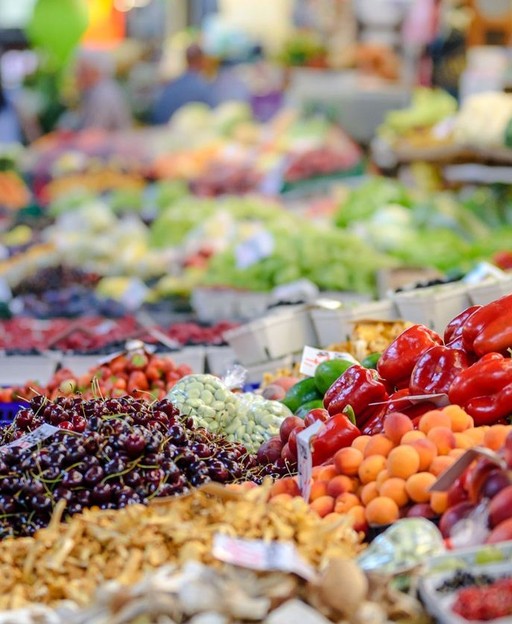
Walk through any French market on a Saturday morning and you will see what drives the French diet. Vendors sell vegetables picked that week, cheeses made locally, meat from farms an hour away. Shopping for fresh produce is not a chore — it is a weekly ritual.
Most French households still cook from scratch regularly. Ready meals and highly processed snacks exist, but they are not central to how most people eat. The average French person expects their food to have flavour that comes from real ingredients, not additives.
This matters for health because whole foods are more filling than processed ones. When you eat a meal made from fresh vegetables, good quality meat, and a proper sauce, your body registers satisfaction more effectively. You eat less overall without thinking about it.
Portion Size: Quality Over Quantity
French portions are smaller than what you might find in the United States or even the United Kingdom. That is not a cultural coincidence — it reflects a different relationship with food. The goal is not to be full to the point of discomfort. The goal is to enjoy what you have.
A typical French lunch at a brasserie might include a starter, a main course, and a small dessert or cheese plate. Each element is modest in size. The satisfaction comes from the variety and quality of the food, not from the volume.
Research into French eating habits has consistently shown that the French use internal cues — hunger and fullness — to decide when to stop eating. Many other cultures rely more on external cues, such as clearing the plate or finishing a packet. This difference in habit has a significant impact over time.
The Meal as a Structured Event
In France, meals have a structure. Breakfast is light — coffee, a tartine, perhaps a croissant. Lunch is the main meal of the day for many people, taken sitting down with colleagues or family. Dinner is moderate. Snacking between meals is not a common habit.
This pattern matters because it allows the digestive system to do its job properly. Constant grazing keeps blood sugar levels fluctuating and prevents the body from experiencing proper hunger before a meal. When you arrive at a meal genuinely hungry, you eat with more attention and more pleasure.
The French also tend to eat at set times. Lunch between noon and 2pm, dinner between 7 and 9pm. Many restaurants will not seat you outside these windows. This consistency helps regulate appetite over the course of the day.
Discover more about life in France
Join thousands of France lovers getting our weekly newsletter — free, no spam, just France.
Get the Newsletter →Eating Slowly and Without Distraction
Eating at the desk, scrolling on your phone during dinner, or eating while walking — these habits are far less common in France than elsewhere. The French tend to treat mealtime as mealtime. You sit at a table, you eat, you talk. That is the activity.
This is not just cultural preference. Eating slowly gives the brain time to receive fullness signals from the stomach. It takes roughly twenty minutes for those signals to arrive. If you eat quickly, you can consume far more than you need before your body tells you to stop.
Slower eating also tends to mean more enjoyment of each mouthful. The French take taste seriously. A good meal eaten slowly and with attention is a different experience from the same meal eaten quickly at a screen.
Wine, Cheese, and Bread — in Moderation
The French eat things that diet culture often labels as bad. Butter, cream, baguettes, red wine, full-fat cheese. And yet the statistics on obesity and heart disease do not reflect what you might expect. This is sometimes called the French Paradox.
The explanation is moderation in practice, not just in theory. A French person might have a glass of wine with dinner most nights — not half a bottle. They might eat a slice of good cheese after lunch — not a block of processed cheese. A baguette shared between four people at lunch is not the same as eating a loaf by yourself.
These foods are enjoyed rather than consumed mindlessly. Because they are treated as something worth savouring, smaller amounts deliver more satisfaction. That psychological aspect is a real and important part of the French approach to eating.
Walking as Part of Daily Life
French cities are built for walking. In Paris, Lyon, Bordeaux, and most regional towns, people walk to the market, to work, to the café, to meet friends. The average French person walks considerably more each day than the average British or American person simply because the infrastructure encourages it.
This daily movement is not exercise in the deliberate gym sense. It is just how life works. And that low-intensity, consistent physical activity has a meaningful effect on health over a lifetime.
Combined with structured mealtimes and smaller portions, regular walking helps keep the French diet in balance without the need for conscious calorie tracking or restrictive eating plans.
What You Can Take Away From This
None of the habits behind the French approach to food are exotic or unachievable. They do not require you to live in France or give up the foods you enjoy. They are about paying attention, slowing down, and treating meals as occasions worth your full focus.
Buy better quality ingredients and use them while they are fresh. Sit down for your meals. Put your phone away. Eat until you are comfortable, not until you are stuffed. Enjoy a glass of wine or a piece of cheese without guilt, but also without excess.
These changes are simple in principle. Building them into daily habits takes time, but the French show that once those habits are in place, healthy eating stops feeling like a discipline and starts feeling like a pleasure.
Never miss a story from France
Our free weekly newsletter covers French food, travel, culture, and lifestyle. Join us.
Subscribe Now →Tours & experiences you might love


Powered by Viator. Some links are affiliate links — we may earn a small commission at no extra cost to you.

Leave a Reply