
You are standing on a Parisian boulevard. You have no map. No itinerary. No café you need to find. You turn left for no reason, then right, then down an alley because the light looks interesting. You are not lost. You are flâning.
What “Flâner” Actually Means
The French word flâner has no true English equivalent. The closest attempt is “to stroll” — but that misses something essential. Strolling implies leisure. Flânerie implies philosophy.
To flâner is to wander without purpose — but not aimlessly. It is attentive drifting. You notice the iron balcony three floors up. The smell of a boulangerie two streets away. The sound of a saxophone drifting from an open window. You are present, but uncommitted.
English has dozens of words for purposeful movement — commuting, hiking, rushing, strolling. But it has no word for deliberate, unhurried urban wandering as an end in itself. The French have many words that resist translation, but flânerie may be the most liveable of them all.
A City Built for Getting Lost
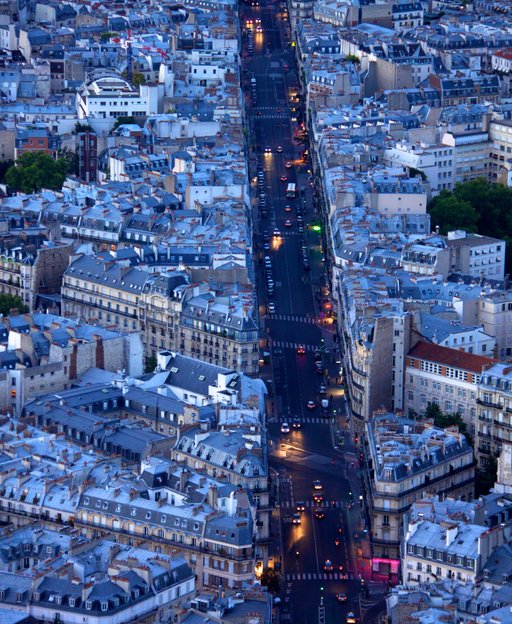
Flânerie was born in 19th-century Paris. The boulevards Baron Haussmann cut through the city in the 1850s gave it room to breathe. Long, wide avenues lined with shops, cafés, and covered arcades became stages for watching the world go past.
The poet Charles Baudelaire turned the act into something close to religion. For him, the flâneur was “a botanist of the pavement” — someone who reads the city the way a naturalist reads a forest. Every face, every façade, every half-heard conversation was something worth noticing.
The cafés that line those boulevards became essential resting points — places to sit, order a small coffee, and simply observe. If you’ve ever wondered why French cafés seat their customers facing the street, the answer lies somewhere in the spirit of flânerie.
The Rules of Flânerie (There Are Almost None)
This is part of the appeal. You do not need a map. You do not need a destination. You need only time, comfortable shoes, and a willingness to not know exactly where you are.
The flâneur moves slowly. Deliberately slowly. The modern city rush — headphones in, eyes on phone, cutting through crowds — is the opposite of flânerie. The flâneur stops. Looks up. Takes a side street purely because it looks quieter. Pauses to read a plaque on a wall.
Enjoying this? 7,000 France lovers get stories like this every week.
Thinking about it seriously? If you’ve started actually planning a move, our complete our complete Moving to France guide walks through every step, every cost, and the paperwork that catches most people out.
There are small things worth knowing. Flânerie works best in the early morning or late afternoon — when light falls at interesting angles and the streets belong more to locals than to tourists. The best flâneur carries nothing urgent. No emails. No plans for the next two hours.
Where to Flâner in France
Paris is the spiritual home. The Marais, with its medieval street plan and hidden courtyards. Saint-Germain-des-Prés, where every other doorway seems to hide a gallery or a bookshop. The Canal Saint-Martin, which offers a quieter, unhurried alternative to the grand boulevards.
But flânerie is not exclusive to Paris. Lyon’s hidden passageways — the traboules that silk workers once used to cross the city — reward the slow explorer. Marseille’s old port quarter, with its layers of history and noise and light, is a perfect place to lose a morning. The quiet lanes of Aix-en-Provence, the riverside streets of Bordeaux, the old quarter of Montpellier — all of France is available to the flâneur.
The only requirement is a willingness to let go of the schedule for an hour or two. If you’re planning your trip to France, build in the empty hours deliberately. They are not wasted time. They are the point.
What Flânerie Does to You
People who practise flânerie describe something specific: a loosening. The city that felt overwhelming five minutes ago now feels manageable, even generous. When you stop trying to see everything, you start actually seeing what is there.
You find the courtyard hidden behind the green door. The bench overlooking the river with no tourists on it. The patisserie with no queue. Flânerie rewards patience with small, unrepeatable moments.
The philosopher Walter Benjamin spent years writing about the flâneur and the city, and never quite finished. Perhaps that is fitting. There is no conclusion to wandering. There is only the next street.
Join 7,000+ France Lovers
Three times a week, get France’s hidden gems, seasonal guides, local stories, and the art of la vie française — straight to your inbox.
Subscribe free — enter your email:
Love more? Join 65,000 Ireland lovers → · Join 43,000 Scotland lovers → · Join 30,000 Italy lovers →
Free forever · · Unsubscribe anytime
The French did not just give us a word for wandering. They gave us permission for it. On your next trip to France, find one morning with nothing booked. Step outside. Turn left or right — it does not matter which. See where it takes you.
🇫🇷 You Might Also Love
Tours & experiences you might love


Powered by Viator. Some links are affiliate links — we may earn a small commission at no extra cost to you.

Leave a Reply