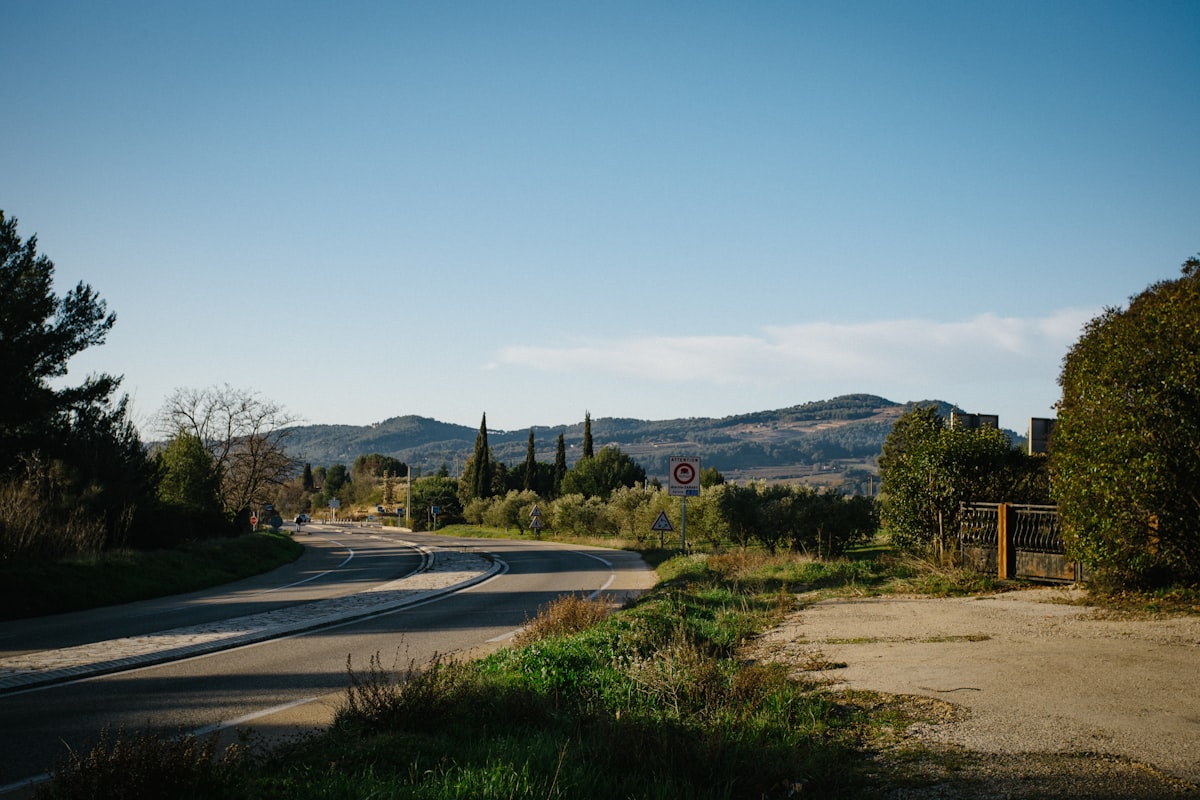
The mountains that divide France from Spain gave birth to a remarkable range of family names. The Pyrénées stretches from the Atlantic coast near Bayonne to the Mediterranean near Perpignan. Along its length, four distinct cultural zones shaped the surnames that families still carry today.
In Béarn and Bigorre to the west, names carry the rhythm of Gascon speech. In the Ariège and the ancient County of Foix, medieval history left its mark. In Roussillon to the east, Catalan culture shaped a completely different set of names. Many of these families later crossed the Atlantic — to Canada, Louisiana, and Argentina.
This article explores French surnames of the Pyrénées, their meanings, and where your ancestors may have come from.
What’s your name in French? 🇫🇷
Your French Name — type any first name for the French equivalent, with meaning and regional notes.
The Four Cultural Zones of the Pyrénées
The Pyrénées is not one region but four. Each has its own language heritage, history, and naming traditions.
Béarn sits at the western end of the French Pyrénées. Its capital is Pau — the birthplace of Henry IV. The Béarnais spoke a form of Gascon Occitan. Their surnames often carry the “de” prefix, reflecting the old tradition of naming families after their land.
Bigorre, centred on Tarbes and Lourdes, shares Gascon roots with Béarn. Its names are closely related. Many families from Bigorre emigrated to French Canada in the seventeenth century.
The County of Foix in the Ariège was one of the most powerful medieval domains in southern France. Its counts sheltered Cathar refugees during the Albigensian Crusade. This gave the region a strong identity linked to resistance and independence.
Roussillon, in the far east, was part of Catalonia until 1659. The Treaty of the Pyrénées handed it to France that year. Its capital, Perpignan, still feels more Catalan than French. Surnames here follow Catalan patterns entirely.
Gascon and Béarnais Surnames
Gascon surnames from Béarn and Bigorre often reflect the landscape, occupations, and saints of daily life. Many of these names spread to French Canada and Louisiana through seventeenth-century emigration.
Laborde comes from the Gascon word borde, meaning a farmstead or shepherd’s hut. It was one of the most common names across Béarn and Bigorre. Families named Laborde farmed the upland pastures for generations.
Larroque derives from la roca — the rock. It names families who lived near rocky terrain. You will find this name from the Pyrénées all the way into the Périgord.
Dufau means “of the beech trees.” Beech forests cover the higher slopes of the Pyrénées. Families living near them took the name. The word comes from the Gascon fau.
Pujol comes from the Gascon pujòl, meaning a small hill or mound. Many villages in the region carry “Pujol” or “Pujos” in their names. Families often took the name of the nearest landmark.
Darré derives from the Gascon darrer, meaning “behind” or “at the back.” It described a family living behind the main settlement — on the less favoured side of a valley.
Cazaux comes from casaus, a Gascon word for plots of land on the outskirts of a village. Families farmed these outlying fields for centuries.
Bergez is an occupational name. It comes from berger, the French word for a shepherd. In the Pyrénées, shepherd families were vital. Flocks moved between valley floors in winter and high mountain pastures in summer. This seasonal movement is called transhumance.
Vidal comes from the Latin vitalis, meaning full of life. It spread widely across southern France. Emigrants from Bigorre carried it to Quebec and Louisiana in the 1600s.
Surnames of the Ariège and the County of Foix
The Ariège sits in the shadow of the Cathars. After the Albigensian Crusade of the early thirteenth century, many Cathar survivors fled to these mountains. The counts of Foix gave them shelter. This history shaped the region’s identity deeply. You can read more about this story in our article on the Cathars of Languedoc.
Fabre is one of the most common surnames in the Ariège. It comes from the Occitan word for a blacksmith. The name appears in records across the Pyrénées from the twelfth century onward.
Roques derives from roca — a rock. Like Larroque, it describes families who lived near rocky outcrops. Dozens of villages in the Ariège include “Roque” or “Roques” in their names.
Laffont comes from la font — the fountain or spring. In mountain villages, the communal fountain stood at the heart of daily life. Families who lived beside it took the name.
Raymond was one of the great noble names of medieval southern France. The Counts of Toulouse and the Counts of Foix both used it. Many ordinary families adopted the name in their honour. After the Crusade, it carried a charge of regional pride and resistance.
Bonnet originally described a maker of hoods or caps. It became widespread across the Pyrénées and the south of France. Today it ranks among the most common surnames in France.
🇫🇷 Enjoying this? 7,000 France lovers get stories like this every week.
Thinking about it for retirement? If you’ve started thinking seriously about retiring there, our complete our full Retire in France guide covers the visa, healthcare, cost-of-living, and the regions worth shortlisting.
Catalan Surnames of Roussillon
In the eastern Pyrénées, Catalan culture produced a completely distinct set of surnames. Roussillon only became part of France in 1659. Even today, many families in Perpignan carry surnames that are purely Catalan in form.
Puig is the Catalan word for a hill or peak. It is the equivalent of Pujol in Gascon. Families living near a notable hilltop took this name. You will find it across Roussillon and into Catalonia.
Mas means a farmhouse in Catalan. It is one of the most common surnames in Roussillon. Hundreds of farms across the region carry “mas” as part of their name.
Ferrer is the Catalan form of the French Ferrand. It means a blacksmith — a vital trade in every village. Like Fabre in Gascon, it spread widely.
Costa comes from the Latin for a hillside or rib of land. Catalan families on slopes took this name. It spread to Spain and Spanish-speaking countries through centuries of Aragonese rule.
Prats means a meadow in Catalan. It describes families from the flat, fertile land at the base of the mountains. In a steep mountain region, flat land held great value.
Serra means a mountain range or saw-toothed ridge. It is one of the most evocative Catalan surnames — the name of a people shaped by mountains.
Soler comes from a Catalan word meaning a flat piece of cultivated ground or the floor of a house. It referred to the foundations of a farm.
Migration Patterns from the Pyrénées
The mountains were no barrier to movement. Families in Béarn and Bigorre crossed into Aragon and Navarre for trade, marriage, and work. Some settled permanently. You will find Laborde, Larroque, and Pujol families on both sides of the border.
In the seventeenth century, many families from Béarn and Bigorre sailed to French Canada. They settled in Quebec, Acadia, and Louisiana. The Compagnie des Cent-Associés recruited settlers from southwestern France. If your Quebec or Acadian family carries names like Vidal, Bergez, or Cazaux, the Pyrénées may be your ancestral home. Read more about Acadian heritage here.
In the nineteenth century, Béarnais families emigrated to Argentina and Uruguay in large numbers. Sheep farmers from the Pyrénées became ranch owners on the South American pampas. The Béarnais community in Argentina remains strong.
Protestant families from the Pyrénées also spread across Europe after the Revocation of the Edict of Nantes in 1685. Many moved to the Netherlands, Prussia, and England. Read the full story of the Huguenot diaspora.
Where to Find Your Pyrénéen Ancestors
If you carry a Pyrénéen surname, the regional archives hold your family’s records.
Archives départementales de l’Ariège in Foix holds civil records from 1792 and parish registers going back to the sixteenth century. Many collections appear online free of charge.
Archives départementales des Hautes-Pyrénées in Tarbes covers Bigorre and Lourdes. Their online database includes baptism, marriage, and burial records.
Archives départementales des Pyrénées-Atlantiques in Pau covers Béarn. This archive holds some of the oldest surviving records in the Pyrénées. The Béarnais nobility kept detailed family records from the medieval period.
Archives départementales des Pyrénées-Orientales in Perpignan covers Roussillon. Many Catalan-language records survive from before 1659, when Roussillon formed part of Spain.
For a full guide to searching French archives, read our step-by-step French ancestry research guide.
Places to Visit in the French Pyrénées
The Pyrénées rewards heritage travellers. Its medieval towns and castles stand remarkably well preserved.
Château de Foix rises on three rocky spires above the town of Foix. The counts who ruled this castle sheltered Cathar survivors and defied the French crown for generations. Walking its battlements, you feel the weight of that history.
Pau is the birthplace of Henry IV, the first Bourbon king of France. The Château de Pau still stands in the city centre. Henry’s mother, Jeanne d’Albret, was Queen of Navarre. She ruled the Béarn from this castle.
Lourdes draws millions of pilgrims each year. But its medieval fortress — the Château Fort — holds a museum of Pyrenean history worth a full afternoon of any heritage traveller’s time.
Villefranche-de-Conflent in Roussillon is one of France’s finest fortified towns. Its pink marble walls date to the seventeenth century, designed by the military engineer Vauban. Surrounded by mountains, it feels cut off from time.
If you are planning a heritage journey to the region, our guide to planning a French heritage trip walks you through every step.
Frequently Asked Questions
Are Pyrénéen surnames the same as Basque surnames?
No. Basque surnames from the French Basque Country have a separate origin. They come from the Basque language, which has no known relation to any other European language. Gascon and Catalan surnames from the broader Pyrénées come from Latin and Occitan roots. The two naming traditions are very different.
What is the difference between Gascon and Catalan surnames from the Pyrénées?
Gascon surnames come from the western and central Pyrénées — Béarn, Bigorre, and Ariège. They come from an Occitan dialect with Basque substratum influences. Catalan surnames come from the eastern Pyrénées — Roussillon and the Pyrénées-Orientales. They come from Catalan, a Romance language closely related to medieval Aragonese. The two families of names look and sound quite different.
Where can I find records for Pyrénéen ancestors?
Each of the four main departments of the Pyrénées has its own archive: Pyrénées-Atlantiques in Pau (for Béarn), Hautes-Pyrénées in Tarbes (for Bigorre), Ariège in Foix, and Pyrénées-Orientales in Perpignan (for Roussillon). Most have free online databases. Civil records start in 1792. Parish registers go back to the sixteenth century in many cases.
Did families from the Pyrénées emigrate to Canada or Louisiana?
Yes. Many families from Béarn and Bigorre emigrated to French Canada and Louisiana in the seventeenth and eighteenth centuries. The names Vidal, Cazaux, Laborde, and Bergez appear in Quebec and Acadian records. If your French-Canadian family carries a southwestern French surname, the Pyrénées may be your ancestral home.
What are the most common surnames in the French Pyrénées?
Fabre (from the Occitan word for blacksmith) and Bonnet (a maker of hoods) are among the most common surnames in the Ariège and the broader Pyrénées. In Roussillon, Mas, Ferrer, and Puig appear in almost every village. In Béarn and Bigorre, Laborde and Darré are widespread.
You Might Also Enjoy
- French Surnames of Languedoc: Origins, Meanings and Family Heritage
- French Surnames of Provence: Origins, Meanings and Family Heritage
- The Cathars of Languedoc: France’s Forgotten Heresy
Plan Your France Trip
Ready to explore France? Start with our France travel planning guide — everything you need to plan the perfect trip, from heritage visits to coastal drives.
Join 7,000+ France Lovers
Every week, get France’s hidden gems, seasonal guides, local stories, and the art of la vie française — straight to your inbox.
Subscribe free — enter your email:
Love more? Join 64,000 Ireland lovers → · Join 43,000 Scotland lovers → · Join 30,000 Italy lovers →
Free forever · One email per week · Unsubscribe anytime
Tours & experiences you might love


Powered by Viator. Some links are affiliate links — we may earn a small commission at no extra cost to you.

Leave a Reply