Every third Thursday of November, at exactly midnight, something happens in wine shops across dozens of countries. A young bottle of French red wine arrives on the counter. The label reads the same message everywhere: Beaujolais Nouveau est arrivé.
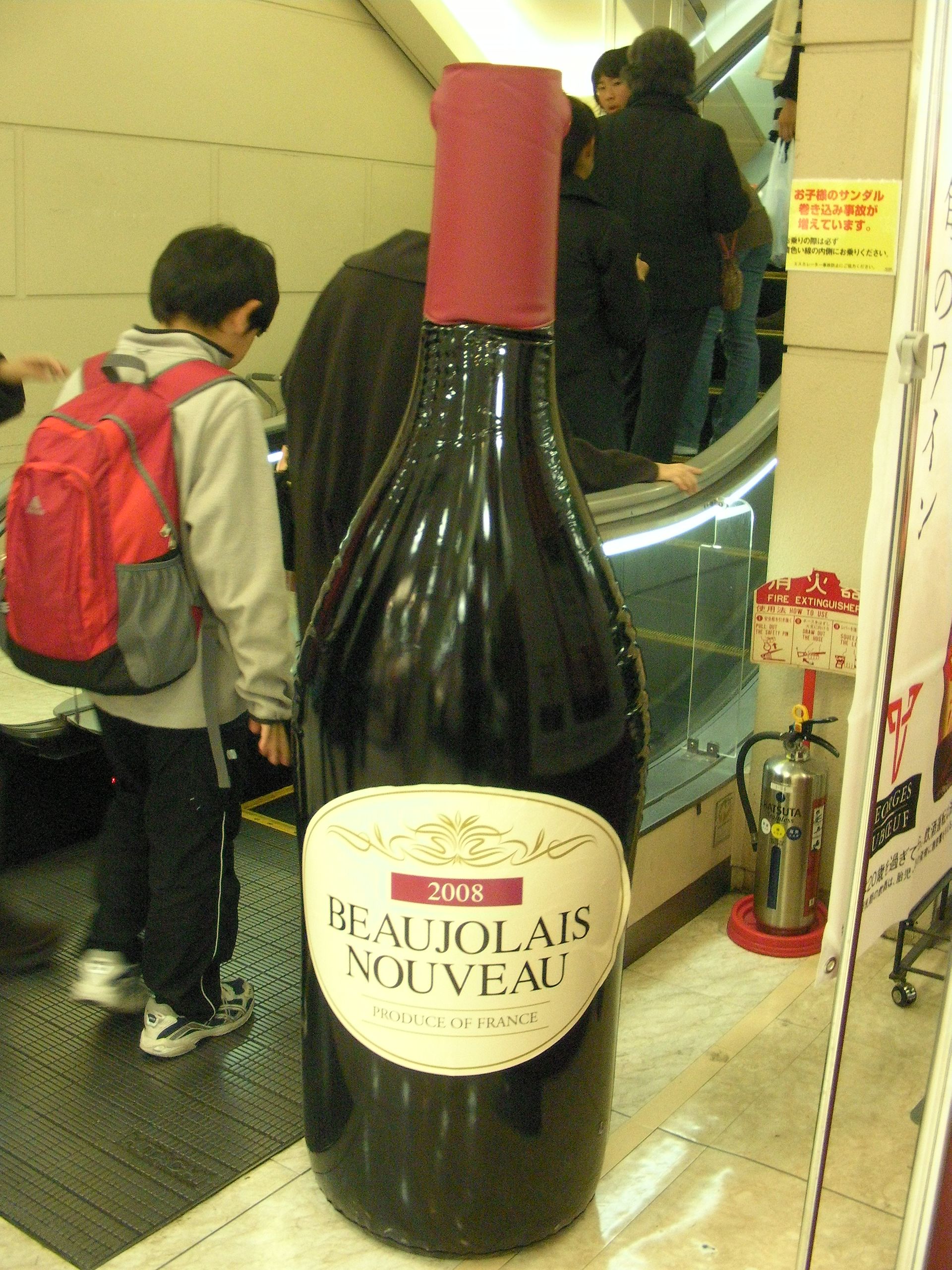
A Wine That Runs on a Clock
Beaujolais Nouveau is unlike anything else in the wine world. The grapes are harvested in September. The wine is fermented, bottled, and on a cargo plane by early November — all in less than eight weeks from vine to shelf. No oak barrels. No patient ageing in a cellar. Just fruit, speed, and a particular kind of joy.
The wine comes from the Beaujolais region, a band of gentle hills just north of Lyon. It is made from one grape: Gamay. In careful hands, Gamay produces wines of real depth. But Beaujolais Nouveau is not about depth. It is about the harvest being over, the year’s work done, and the wine being ready to drink.
How a Local Race Became a Global Celebration
The tradition began in the 1950s, when Beaujolais producers raced each other to deliver the new wine to the bars of Lyon first. It was a competition, yes — but also a toast. Proof that the harvest had been good. Proof that the wine was alive.
A négociant named Georges Duboeuf saw something bigger in that race. Through the 1970s and 1980s, he helped transform the local ritual into an international event. Wine was flown by charter aircraft at the stroke of midnight. Restaurants in New York, London, and Tokyo threw launch parties. By the 1990s, Beaujolais Nouveau was accounting for nearly half of all Beaujolais wine sold globally.
It was, briefly, the most talked-about wine in the world.
The Hills That Produce It
The Beaujolais region rewards a visit, even if wine is not your main interest. Stone villages with terracotta rooftops rise above vineyards that run down gentle slopes toward the Saône plain. In autumn, the vines turn russet and gold, and the air carries the fermented sweetness of the new harvest.
The region produces ten distinct crus — village appellations each with their own character. Fleurie is floral and soft. Moulin-à-Vent is structured and long-lived. Morgon can age into something close to Burgundy. These are serious wines, very different from the festive Nouveau.
If you visit in November, you arrive into a region in an extremely good mood.
Enjoying this? 7,000 France lovers get stories like this every week. Subscribe free →
How the World Joins In
Japan became one of the largest importers of Beaujolais Nouveau outside France — a fact that surprises most people the first time they hear it. The tradition spread because the wine was cheerful, affordable, and arrived like clockwork. In France, the celebration is quieter: a glass in a café with charcuterie and a wedge of cheese. No ceremony. Just pleasure.
If you are planning a trip to France, timing a visit around the third Thursday of November opens a particular version of the country — festive, slightly giddy, entirely unguarded.
The Wine That Divides Wine Lovers
Beaujolais Nouveau has always had its critics. The distinctive aromas of banana and bubblegum — produced by carbonic maceration, the fermentation technique that gives the wine its softness — made serious drinkers wary. It was called thin, commercial, and a gimmick dressed up as tradition.
They were not entirely wrong. But they missed the point. France has always been fiercely protective of what wine labels mean — which makes Beaujolais Nouveau’s cheerful disregard for prestige all the more endearing. Meanwhile, the Burgundy harvest tells an entirely different story: slow, reverential, almost sacred.
Beaujolais Nouveau asks for neither reverence nor patience. It asks to be opened tonight.
The One Night It All Makes Sense
At its core, Beaujolais Nouveau is about one idea: the work is finished, the wine is here, and that is reason enough to celebrate. The French understand this better than most. The best wine has never been the most expensive. It is the one poured by someone who wants you to enjoy it.
Stand in a Beaujolais village square on the third Thursday of November, glass in hand. Somewhere across the world — in Tokyo, New York, London — someone is lifting theirs at the same moment. A toast to the same harvest, the same hills, the same idea that gathering matters.
France built an entire tradition on that thought. And once a year, the whole world agrees.
Join 7,000+ France Lovers
Three times a week, get France’s hidden gems, seasonal guides, local stories, and the art of la vie française — straight to your inbox.
Subscribe free — enter your email:
Free forever · Unsubscribe anytime
🇫🇷 You Might Also Love
Tours & experiences you might love


Powered by Viator. Some links are affiliate links — we may earn a small commission at no extra cost to you.

Leave a Reply