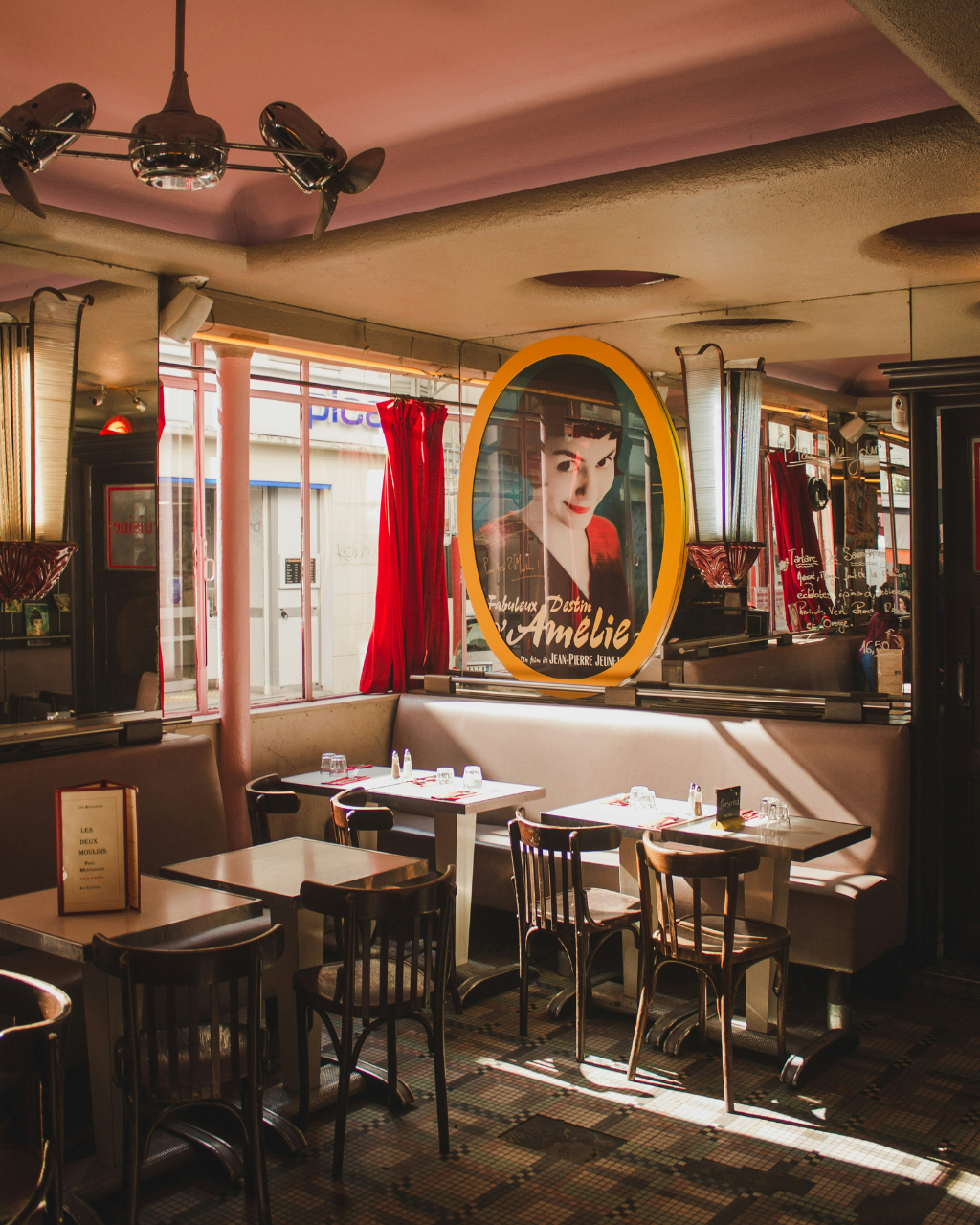
It is not a bank holiday. It is not a birthday. It is an ordinary Tuesday in France — and every table at the brasserie around the corner is full.
This is not a coincidence. The French have been doing this for a very long time, and they do not appear to be stopping anytime soon. If you have ever visited France and noticed that shops close between noon and 2pm, that traffic quiets down, that the streets empty and then fill again — this is why. The country is eating lunch.
Not at their desks. Not from a paper bag on a bench. They are sitting down, with a glass of something, at an actual table.
🇫🇷 Discover the France Most Tourists Never Find
Get our free guide to 25 hidden villages of France — then join 7,000+ readers for weekly stories about places most guidebooks never mention.
Get Your Free Village Guide →The Two-Hour Lunch Is Still Real
It has become fashionable in some quarters to claim that the French long lunch is dying out — a myth from another era, eroded by globalisation and the invasion of the sandwich. The numbers tell a different story.
According to research from the French Agency for Food, Environmental and Occupational Health & Safety (ANSES), the French spend significantly more time eating per meal than people in the UK or the United States. And that is the national average, which includes people eating alone at home. In workplaces and town squares, it runs longer.
The French legal framework still grants employees a minimum lunch break of 30 minutes once a working day exceeds six hours. But in practise, many French workers take between 45 minutes and an hour and a half. In smaller towns and villages, two hours remains perfectly ordinary.
This is not laziness. It is structure.
What You Actually See
Walk into any medium-sized French town at 12:30pm on a weekday. The brasseries and bistrots will be filling up quickly. The plat du jour — the dish of the day — is usually on a chalk board by the door. It changes daily. It is almost always good value.
Inside, people are sitting with colleagues, with friends, occasionally alone with a newspaper. There are no laptops open. There are no headphones. The food arrives in courses — a starter or soup, a main, sometimes cheese, sometimes dessert, almost certainly coffee.
The wine question tends to surprise British visitors. A small carafe at a weekday lunch table is not unusual, though habits have shifted among younger French people in cities. In the countryside and smaller towns, it remains part of the rhythm.
Why It Matters to Visitors
If you are travelling in France, this lunch culture affects you directly.
Timing. If you want to eat well and cheaply, lunch is your best opportunity. The formule — a set lunch menu — typically runs from €12 to €22 and includes two or three courses. Dinner at the same restaurant will cost considerably more for the same food. The French economy around dining is built on this pattern.
Planning. In smaller towns and rural areas, shops, pharmacies, post offices, and banks often close between noon and 2pm. If you need to run an errand or buy groceries, do it before noon or after two.
Pace. If you sit down for lunch in France, expect it to take time. The service is not slow out of incompetence — it is deliberate. Courses arrive in sequence. The bill does not come until you ask for it. This is a feature, not a flaw.
✉️ Discover more about daily life in France. Sign up for our free weekly newsletter — no spam, just France.
The History Behind the Habit
The French attachment to long lunches has roots in both culture and economics.
For much of the 20th century, France was more rural and more agricultural than it is today. Workers needed substantial midday meals because they were doing physical labour. The two-hour break allowed time to go home, eat properly, and rest before the afternoon.
As France urbanised, the habit did not disappear — it transformed. Canteen lunches became common in workplaces and schools. The restaurant d’entreprise (company canteen) is still widespread. French children have been eating proper three-course school lunches since the 1950s. The idea that children should eat quickly and get back to class is genuinely alien to the French education system.
This is not a recent trend or a lifestyle experiment. It is simply how meals have worked in France for generations.
Coffee, Cafés, and the Art of the Pause
The same logic applies to the French café. Coffee in France is not consumed on the move. A café express (espresso) is drunk standing at the bar or sitting at a small table. It takes five minutes. But those five minutes are a full stop in the day — a moment of deliberate pause — not a fuel injection.
The takeaway coffee cup with a plastic lid exists in France, particularly in larger cities, but it is not the default. The default is to stop, even briefly, and be somewhere.
This shapes the entire experience of visiting France. The streets do not feel rushed in the way that London or New York can feel rushed. People are present where they are.
How to Eat Lunch Like the French
If you are visiting France and want to eat the way the locals do, a few practical points:
- Aim to sit down between 12:15 and 1pm. After 1:30pm, the kitchen may stop taking orders, especially outside cities.
- Look for the plat du jour or formule midi. These offer the best food at the best price.
- Do not rush. The table is yours for the meal. No one will hurry you.
- A carafe of eau du robinet (tap water) is free and perfectly acceptable to request.
- If you want coffee, order it at the end, after dessert. Ordering it alongside your main course will mark you as a tourist immediately.
The rules are not complicated. They are just different from what most visitors are used to.
What You Take Home
Most people who spend a significant amount of time in France come back with the same observation: they started sitting down properly for lunch. Not because anyone told them to, but because the habit is contagious.
You notice it within the first week. A full table at 1pm on a Tuesday, when by rights everyone should be at a desk, looks almost subversive at first. Then it starts to look reasonable. Then it starts to look like the obvious way to organise a day.
The French are not doing something radical. They are just having lunch.
✉️ Get more like this in your inbox every week. Subscribe to our free newsletter — it’s the easiest way to keep up with France.
Tours & experiences you might love


Powered by Viator. Some links are affiliate links — we may earn a small commission at no extra cost to you.

Leave a Reply