At some point between 6pm and 8pm, something shifts across France. Restaurants are not yet open for dinner. The working day is done. Nobody goes straight home. Instead, chairs scrape onto cobblestones, glasses fill, and a particular kind of time begins. The French call it l’apéro.
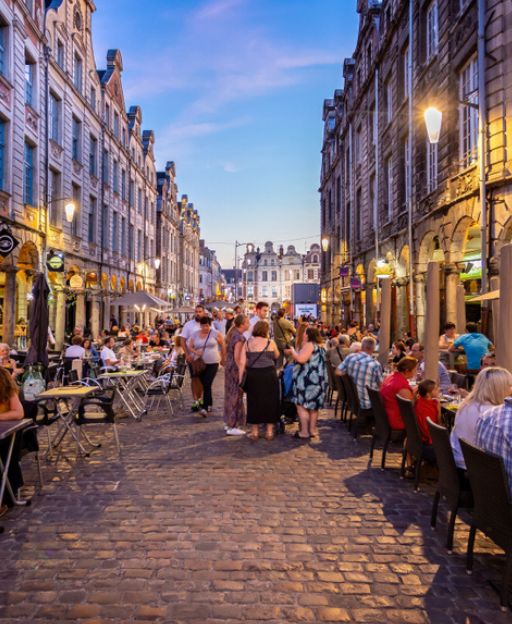
The Hour That Belongs to Nobody’s Schedule
L’apéro is short for l’apéritif — the pre-dinner drink. But that description undersells it considerably.
The word comes from the Latin aperire, meaning “to open.” Not to open a bottle. To open the evening. To open conversation. To open yourself, after the closed hours of the working day.
Unlike a happy hour, there is no discounted pricing. Unlike a cocktail party, there is no host to tell you when to leave. L’apéro belongs to everyone and to no one. It simply happens.
What You Drink — and What You Eat Alongside It
The glass matters less than the act. In Provence, people order a pastis — cloudy, anise-scented, poured long with ice-cold water. In Bordeaux, a glass of local white wine. In Alsace, a Riesling. In Paris, a kir — white wine with a dash of blackcurrant liqueur.
The drink is almost secondary. What comes with it matters more: a bowl of olives, a few slices of saucisson, a smear of tapenade on a cracker. Nothing filling. Nothing meant to replace the meal. The food keeps hands busy and stomachs polite.
French hosts treat l’apéro with real care. They plan the snacks. They chill the wine in advance. When guests arrive, the first priority is not the starter — it is the apéritif.
The Unwritten Rules of Apéro Hour
L’apéro has a grammar of its own, and the French follow it instinctively.
You do not rush it. Finishing your drink after twenty minutes and reaching for your coat is a social error. You also do not drag it past all reasonable limits — dinner still matters.
You do not talk about work during l’apéro. Not formally. Conversations stay light: news, neighbours, where you might travel, what you ate last weekend. Serious discussions wait for the table.
And you do not eat standing up if you can avoid it. If chairs are there, you sit. If not, you find a ledge, a wall, a step. The posture is part of the ritual.
Enjoying this? 7,000 France lovers get stories like this every week. Subscribe free →
How the Ritual Shifts Across France
The apéritif tradition exists everywhere in France, but it takes a slightly different shape depending on where you are.
In the south, l’apéro sprawls into the warm evening. Pastis takes a long time to finish when there is conversation and sunlight. In Nice, many bars serve socca alongside — thin chickpea pancakes, hot and charred from a copper pan.
In Lyon, the bouchon culture blurs the lines. The pre-dinner drink and the first course drift into each other naturally. In Alsace, the wine is local and the snacks are more substantial — a small flammekueche, a few slices of Munster cheese. In Paris, the formula is simpler. Choose a café terrace. Sit. Order. Watch the city pass. That is enough.
What Most Visitors Miss
Most visitors arrive in France chasing monuments and menus. They book dinner at 7pm and wonder why the restaurant is still setting tables and looking apologetic.
They miss l’apéro entirely.
Joining it is not complicated. Find a terrace or a bar with outdoor seating. Arrive before 7pm. Order a drink — pastis, wine, a kir, whatever sounds right. Put the phone away. Notice who is around you. Let the evening open slowly.
If you want to understand how France approaches everything — work, food, conversation, friendship — watch how it treats the hour before dinner. It is all there, in a single glass and an unhurried chair.
Before your trip, our France travel planning guide has everything you need to get started. And if the long French lunch intrigues you as much as the apéritif, our piece on why French families spend three hours at the Sunday table reveals the same culture in full. You might also enjoy reading about the French 4 o’clock tradition that adults take just as seriously as children do.
There is no English word for l’apéro because English-speaking culture never decided that the time before dinner deserved its own name. France decided long ago that it does — and has been defending that hour, warmly and without apology, ever since.
Join 7,000+ France Lovers
Three times a week, get France’s hidden gems, seasonal guides, local stories, and the art of la vie française — straight to your inbox.
Subscribe free — enter your email:
Free forever · Unsubscribe anytime
🇫🇷 You Might Also Love
Tours & experiences you might love


Powered by Viator. Some links are affiliate links — we may earn a small commission at no extra cost to you.

Leave a Reply