
Moving to France is a big dream for many people. Before you book viewings or pack boxes, it pays to check the facts. A few simple questions can save you months of stress and a lot of money.
This is a practical checklist of ten things to confirm before you seriously plan the move. It does not replace official advice, but it will show you where to look first.
Want more honest France guides? Subscribe to our free France newsletter for practical guides like this one.
1. Check your right to live in France

This comes before everything else. Citizens of EU and EEA countries can generally live in France without a visa. Most other nationals, including British and American citizens, need permission to stay longer than 90 days.
Where to check: Service-Public.fr: which residence documents you need to stay in France for more than 3 months (official French government site, in French). Checked October 2026.
For a stay of more than three months you usually apply for a long-stay visa from your home country. There are different visa types, such as visitor, work, student and family. Each has its own rules. Check the official France-Visas website and your nearest French consulate before you plan anything else.
2. Understand the visa you will actually need

A visitor visa is popular with people who want to retire or live on savings. It normally means you promise not to work in France. If you plan to work or run a business, you need a different route.
Where to check: Service-Public.fr: the long-stay visa (stays of 3 months to 1 year). You apply through the official France-Visas website. For the visitor, work and talent routes in plain English, see our guide to French long-stay visas. Checked October 2026.
Ask yourself what you will do day to day. Will you work for a French employer, work remotely, or live on a pension? The answer decides which visa fits, and it is hard to switch later.
3. Work out your income and savings
Most visas ask you to show that you can support yourself. Officials often look at your income, your savings and your health cover. Gather bank statements, pension letters and tax records early. Some documents may need an official translation into French.
Where to check: our breakdown of the real cost of living in France in Paris, a provincial city and a village.
Build a realistic monthly budget too. Rent, food, energy, transport, insurance and local taxes all add up. Paris and the Riviera cost far more than rural Brittany or the Dordogne.
4. Plan your healthcare

France has a strong public health system. Once you are a legal resident, you can usually apply to join it after a qualifying period, often three months. You may hear it called PUMA. Many residents also take out a top-up policy, called a mutuelle, to cover costs the state does not.
Where to check: Service-Public.fr: what PUMa (protection universelle maladie) is and who can join. It confirms the usual wait of 3 months of stable residence before cover starts, with some exceptions. Checked October 2026.
In the early months you may need private health insurance. Some visas require it as proof. Check the details for your own case, especially if you have an ongoing medical condition.
Planning ahead? Subscribe to our free France newsletter for practical guides like this one.
5. Learn how French tax works for you

Moving can change where you pay tax. In general, if France becomes your main home, you may become a French tax resident. That can affect how your pension, savings and property income are taxed. Many countries also have a tax treaty with France to stop you paying twice.
Where to check: impots.gouv.fr International, the French tax office’s pages for people moving to or from France. Checked October 2026.
Speak to a cross-border tax adviser before you move, not after. The cost of an hour of advice is small next to a surprise bill.
6. Decide where to live, and test it first
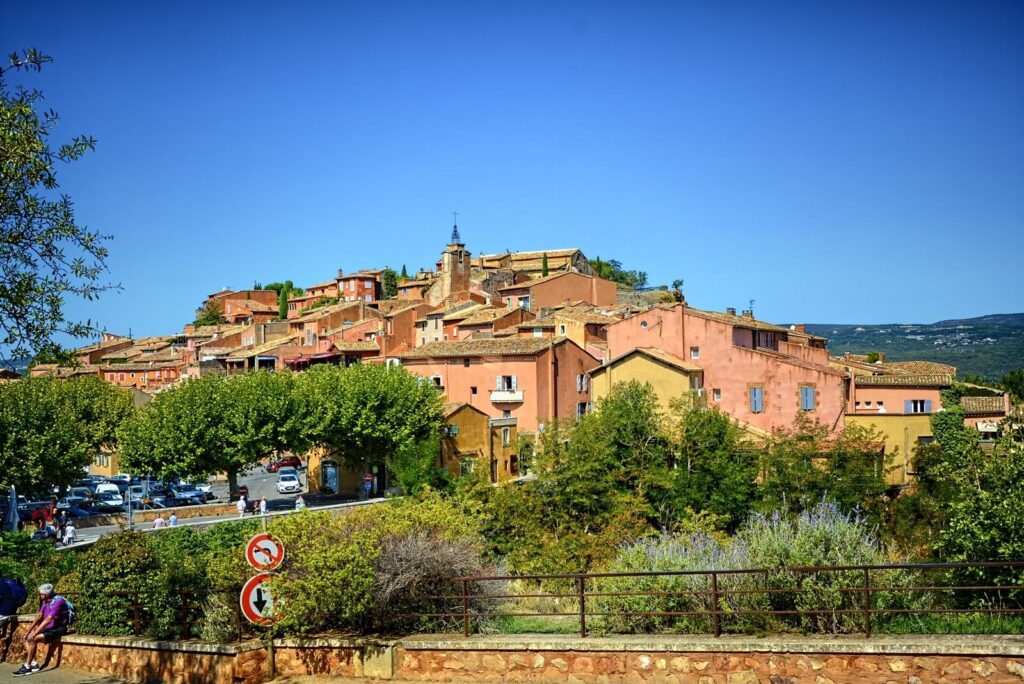
France is not one place. Alsace has half-timbered villages, cold winters and a German influence. Provence has long, hot summers. Brittany is green, breezy and often wet. Paris is busy and expensive.
Where to start: our guide to which region of France you would actually move to.
Visit your shortlist in winter, not only in summer. A village that feels lively in August can be very quiet in February. Check the distance to a doctor, a station, a supermarket and an airport.
7. Rent before you buy
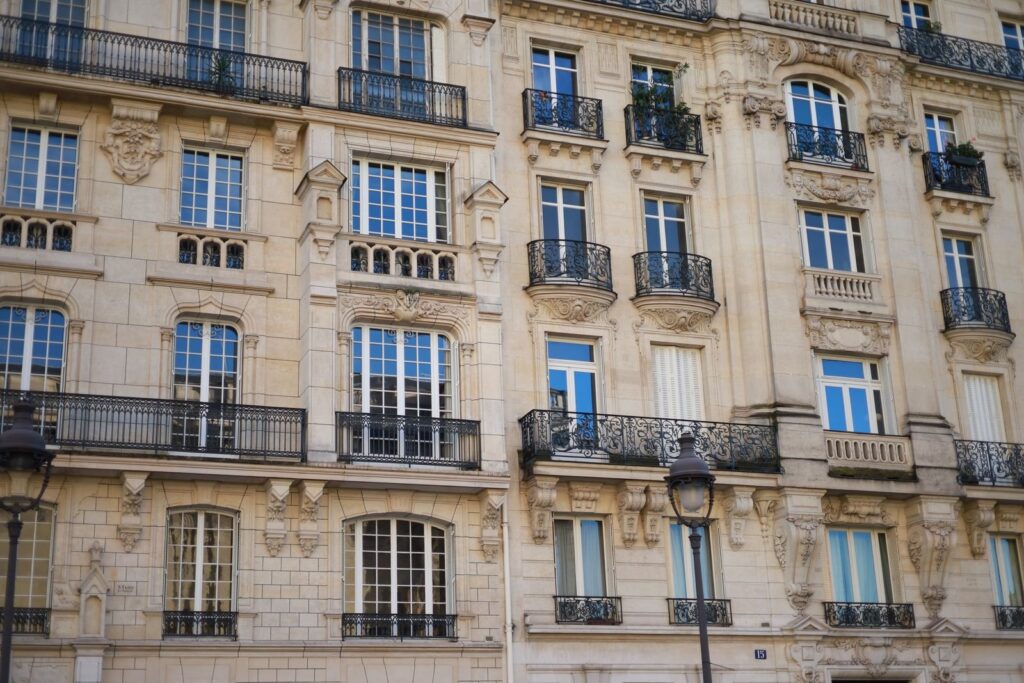
It is wise to rent for the first year. Renting lets you learn the area, the neighbours and the real cost of living. Rental applications in France ask for a lot of paperwork, such as proof of income, ID and sometimes a guarantor. Start gathering these early.
Where to start: our guide to renting an apartment in France, with the paperwork landlords ask for.
If you do buy later, use a notaire and have the property surveyed. Check for rules on older homes, such as energy ratings and septic tanks in the countryside.
8. Check your level of French
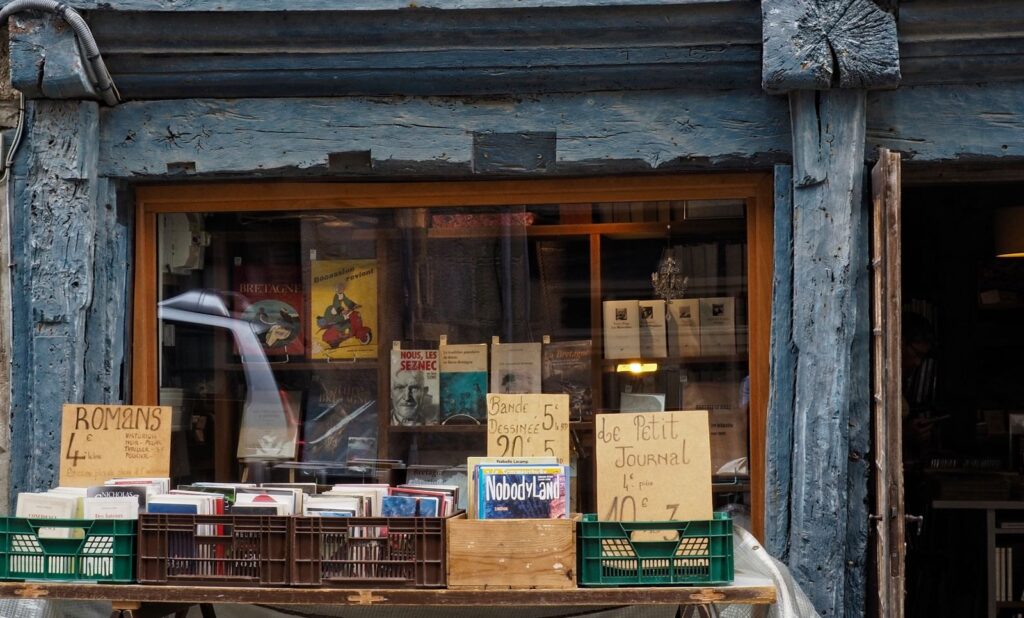
You can get by in tourist areas with little French. Daily life is different. Dealing with the town hall, the bank, the tax office and your doctor is far easier if you can speak the language.
Where to check: the Alliance Française network, which runs French language schools in many countries, so you can often start lessons near home.
Start lessons before you go. Even basic French helps you make friends and feel at home. Some residence permits also look at your language level over time, so it is worth taking seriously.
9. Sort out the practical paperwork
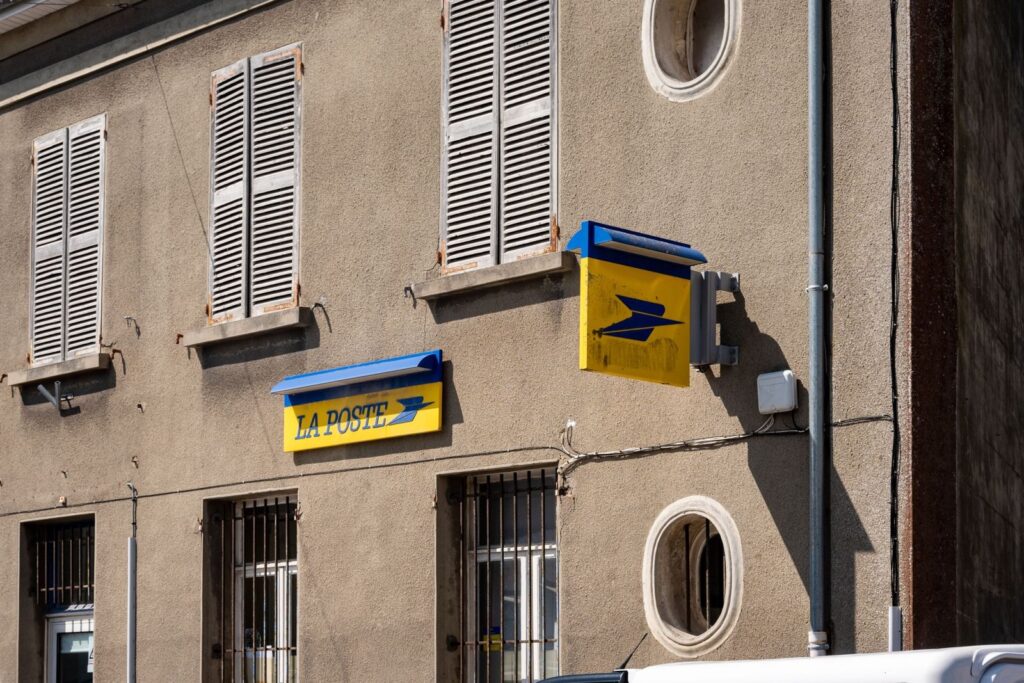
France loves paperwork. You will need to open a French bank account, set up utilities and register for healthcare. You may also need to exchange your driving licence. Rules depend on where your licence was issued, and the deadline can be short, so check this soon after arrival.
Where to check: Service-Public.fr: exchanging a driving licence from outside the EU/EEA, and our guide to opening a French bank account. Checked October 2026.
Keep copies of everything, both paper and digital. Official sites such as service-public.fr are the safest place to check current rules.
Not ready to commit yet? Subscribe to our free France newsletter for practical guides like this one.
10. Plan for the emotional side

This one is easy to forget. Moving abroad means leaving friends, family and familiar habits. The first winter can feel lonely. Bureaucracy can be tiring. Many people find the first year the hardest.
Where to start: our first 90 days in France checklist for settling in.
Think about how you will stay in touch with home and how you will meet people. Clubs, language classes, volunteering and local events all help. Plan trips back, too, and budget for them.
A simple way to use this checklist

Go through the ten points and mark each one as sorted, unsure or not started. Tackle the unsure items first. If several are unclear, that is a sign to slow down and do more research, not a sign to give up.
Plan your trial stay: France.fr, the official France tourism site, has regional guides to help you choose where to spend that month.
A trial stay is a good next step. Spend a month in your chosen area, live like a resident, and shop, cook and do errands as you would at home. It tells you more than any holiday can.
Final thoughts
Moving to France can be a wonderful decision when it is well prepared. The people who settle happily tend to be those who checked the rules, ran the numbers and tested the lifestyle first. Take your time, use official sources, and get professional advice on visas and tax.
Rules change often. Always confirm current requirements with the French authorities before you act.
Tours & experiences you might love


Powered by Viator. Some links are affiliate links — we may earn a small commission at no extra cost to you.

Leave a Reply