
France has been making Armagnac since 1310. That makes it the oldest distilled spirit in the country — older than Cognac by 150 years, older than most of France’s famous châteaux. Yet most visitors to France have never heard of it.
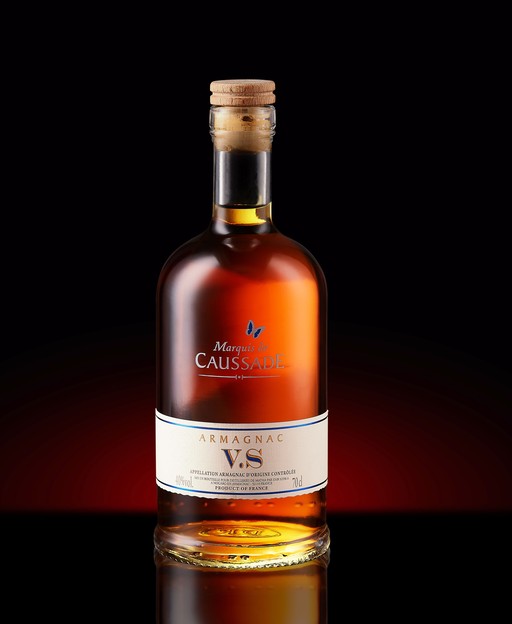
Where Armagnac Comes From
The Gers department sits in southwest France, between Bordeaux and the Pyrenees. Tourists fly through Toulouse and rarely stop. The landscape is flat, agricultural, and almost entirely overlooked.
This is Gascony — the land of d’Artagnan, foie gras, and ancient bastide towns built in perfect grids. Somewhere in this unhurried countryside, small producers have been distilling brandy in the same way for seven centuries.
The brandy comes from white grapes — mainly Ugni Blanc, Baco 22A, and Folle Blanche — grown across three sub-regions: Bas-Armagnac, Ténarèze, and Haut-Armagnac. Bas-Armagnac produces the finest and most elegant spirits of the three.
How It Differs from Cognac
The difference between Armagnac and Cognac goes beyond geography. Cognac uses double distillation in copper pot stills, which creates a lighter and more neutral spirit. Armagnac takes a single pass through the traditional alembic armagnacais — a continuous column still. This preserves more of the grape’s raw character. The result is earthier, richer, and more complex.
Cognac became famous because the Dutch and English could ship it easily from the Atlantic coast. Armagnac, deep inland, stayed local. The big Cognac houses spent centuries building international brands. The Armagnac farmers kept making brandy for themselves and their neighbours.
If you want to explore the harvest culture that produces France’s greatest wines and spirits, see what happens in a Bordeaux wine village when the harvest begins — the spirit of the season is the same across southwest France.
The Vintage Tradition No Other French Spirit Has
Here is what sets Armagnac apart from every other French spirit: you can buy a bottle from the year you were born.
Most Cognac blends harvests across multiple years to achieve a consistent house style. Armagnac sells as single-vintage — the yield of one specific year, from one specific estate. A 1965 Armagnac. A 1978 Armagnac. Each bottle captures that year’s weather, that farm’s soil, and that family’s method.
This is not a marketing trick. It is simply how small Gascon producers have always worked.
Enjoying this? France lovers get stories like this every week. Subscribe free →
The Villages Behind the Bottle
Two towns anchor Armagnac country: Éauze and Condom. Éauze is the commercial heart of the region and hosts the annual Armagnac festival each September. Condom, despite its name, is a handsome cathedral town on the river Baïse — full of medieval lanes and old merchants’ houses.
The villages around these towns feel suspended in time. Stone farmhouses with metal chai attached — the distillery sheds where the brandy ages in oak. Roadside signs reading “vente directe.” You stop, knock on a door, and a farmer pours you a glass.
Most Armagnac is still sold this way. When planning your trip to France, building a few days in the Gers gives you access to producers who never appear in travel guides.
Le Trou Gascon — The Mid-Meal Ritual
The Gascons have a tradition called “le trou gascon” — the Gascon hole. Midway through a feast, when the table has already eaten far too much, the host pours a small glass of Armagnac. The idea is that the spirit makes room in the stomach for what comes next — more confit, more cassoulet, more foie gras.
Whether it works physiologically is beside the point. The trou gascon is permission to keep going.
Prune d’Agen soaked in Armagnac is another local tradition. The dried Agen plum absorbs the spirit over months and becomes something entirely different — dense, sweet, and quietly potent. Jars of them sit on kitchen shelves across Gascony.
Frequently Asked Questions About Armagnac
What is the best time to visit the Armagnac region in France?
September and October are ideal. The grape harvest is underway, many producers open their chai to visitors, and the annual festival in Éauze takes place in September. The countryside turns gold and the pace drops to something close to a standstill.
What is the difference between Armagnac and Cognac?
Armagnac uses single distillation through a column still, which preserves more of the grape’s natural character. Cognac double-distils for a lighter, more consistent result. Armagnac is the older of the two by 150 years and is almost always sold as a single vintage from a named estate.
Where can I buy Armagnac directly from producers in France?
Buy direct (vente directe) throughout the Gers department — no appointment is usually needed. Éauze and Condom both have specialist merchants. Look for labels showing a single vintage year rather than a blended VSOP classification.
How do the French in Gascony drink Armagnac?
Usually after dinner in a wide tulip-shaped glass, at room temperature. In Gascony itself, a small pour also appears mid-meal as “le trou gascon” — a ritual pause meant to prepare the stomach for more food. It is never iced and never rushed.
There is no gift shop. No global brand campaign. Just a Gascon farmer with a dusty bottle and a glass, standing in a courtyard where the vines go back three generations. That, more than any tasting note or history lesson, is what Armagnac actually is.
Join the France Lovers
Three times a week, get France’s hidden gems, seasonal guides, local stories, and the art of la vie française — straight to your inbox.
Subscribe free — enter your email:
🇫🇷 Discover the France Most Tourists Never Find
Get our free guide to 25 hidden villages of France — then join our readers for weekly stories about places most guidebooks never mention.
Get Your Free Village Guide →Free forever · Unsubscribe anytime
🇫🇷 You Might Also Love
Tours & experiences you might love


Powered by Viator. Some links are affiliate links — we may earn a small commission at no extra cost to you.

Leave a Reply