Every September, something shifts in the villages around Bordeaux. The tourist coaches thin out. The bistro tables fill with muddy boots and calloused hands. And across thousands of hectares of vines, the most important moment in the French agricultural calendar begins.
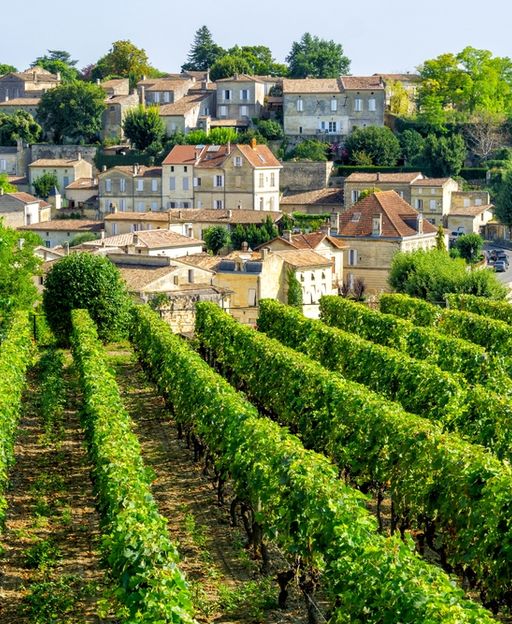
The vendange — the grape harvest — has shaped life in this corner of France for centuries. For a few weeks each autumn, it still runs everything.
The Signal That It Is Time
The vendange does not follow a fixed date. A winemaker spends weeks watching the sky and tasting one berry each morning, measuring sugar against acidity. Then one day — early September in warm years, late October in cooler ones — the winemaker decides. Within hours, word spreads through the village.
In places like Saint-Émilion, Margaux, and Pomerol, workers arrive before dawn. The rows of Merlot and Cabernet Sauvignon that stood quiet all summer suddenly fill with voices and movement.
Who Picks the Grapes?
The vendangeurs are not a uniform crew. You find local families who have picked these same estates for three generations. Students earning money before term starts. Travellers who heard you could spend a week in Bordeaux, work in the vines, and eat remarkable lunches.
The work is physical. You kneel between the rows and cut with a small curved knife. The clusters are heavy, and the September sun still bites. Your back aches by mid-morning. By noon, you are very hungry.
In Bordeaux, this is understood.
The Long Table at Midday
Lunch is not squeezed into a break. At most estates, the entire harvest team stops together — owner and newest picker at the same long table. Workers set it up in a courtyard or beside the chai. Wine is poured freely. Bread arrives in great torn chunks. Soup comes first, then meat, then cheese, then fruit from the estate garden.
This is not a performance for visitors. It has always worked this way.
The tradition grew from necessity. Estates had to feed workers well enough to keep them picking. The custom stayed long after economics changed, because no one in Bordeaux could imagine doing it differently. A working harvest lunch in the Médoc is one of those meals that resists description to anyone who was not there.
Enjoying this? 7,000 France lovers get stories like this every week. Subscribe free →
The Villages Come Alive
Beyond the estates, the harvest season changes every village in the appellation.
Saint-Émilion — already France’s most visited wine village — holds its Fête de la Vendange each year in early October. A procession moves through the medieval streets. A ceremony honours Saint Vincent, patron saint of winemakers. And an outdoor table fills the main square with noise and laughter. Entry is free. The wine is inexpensive. The mood is hard to manufacture anywhere else.
In smaller villages — Fronsac, Lalande-de-Pomerol, Castillon-la-Bataille — the celebrations stay local. A village square becomes a communal kitchen for an afternoon. Someone brings food. Someone brings a guitar. Children run between the tables. The whole thing feels less organised than the Saint-Émilion fête. For that reason, it is often more memorable.
What Visitors Can Actually Do
You do not need connections to experience the harvest. Several châteaux offer day experiences — a morning picking, a cellar walk, and that long working lunch. Book at least six weeks ahead. September slots fill quickly.
The village festivals mostly run in October, after the main picking is done. October in the Médoc or Saint-Émilion combines the tail end of the harvest with some of France’s finest food and wine. It is hard to imagine a better time to visit.
If you arrive outside festival dates, the vineyards are still worth seeking in September. Watch a team move through the rows at dawn — in that low golden light the Bordelais say is the best hour of the vine — and the importance of it needs no explanation.
Planning your visit around the harvest? Our France travel planning guide covers everything you need to arrange the trip. And for the history behind the Bordeaux estates, our piece on the wine scandal that changed every label in the world puts the region’s significance in context.
The vendange is not theatre. It is a working agricultural moment that has repeated in these fields for over a thousand years. Stand in those rows — surrounded by the smell of warm earth and ripe fruit, with voices echoing down the vine rows — and you feel the weight of that. You understand why the French, when they talk about Bordeaux, rarely only mean the wine.
Join 7,000+ France Lovers
Three times a week, get France’s hidden gems, seasonal guides, local stories, and the art of la vie française — straight to your inbox.
Subscribe free — enter your email:
Free forever · Unsubscribe anytime
🇫🇷 You Might Also Love
Tours & experiences you might love


Powered by Viator. Some links are affiliate links — we may earn a small commission at no extra cost to you.

Leave a Reply