
Bordeaux Wine Region Guide: Everything You Need to Know Before You Visit
The Bordeaux wine region is one of the most celebrated places on earth. Stretching across southwest France along the Garonne and Dordogne rivers, it produces some of the world’s most admired red wines — and offers one of the most beautiful rural landscapes you’ll find anywhere in the country. Whether you’re a serious wine lover or simply someone who enjoys good food, golden countryside, and handsome stone villages, Bordeaux delivers.
Love France? Join 7,000+ readers on our free newsletter → lovetovisitfrance.substack.com
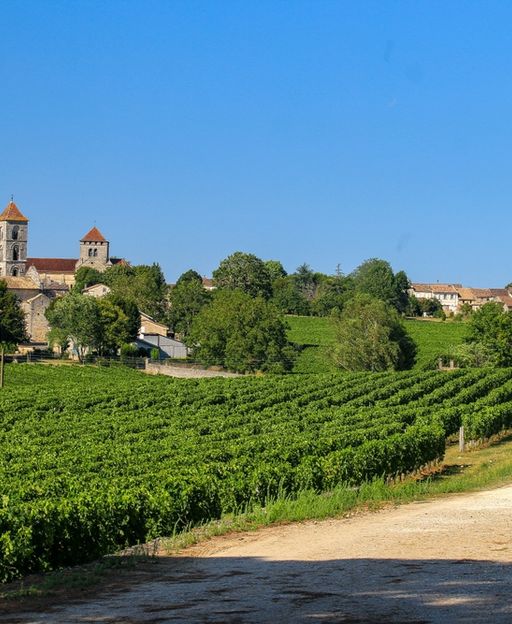
What Makes the Bordeaux Wine Region Special?
Bordeaux sits in the Gironde department of southwest France. The city of Bordeaux itself is elegant and underrated — a UNESCO World Heritage city with a beautiful 18th-century waterfront and a buzzing food scene. But for most visitors, the real draw is the countryside that surrounds it.
The wine estates here are called châteaux. Some are grand manor houses with perfectly manicured gardens. Others are working farms where the winemaker opens the door in muddy boots. Both kinds offer something special. You can visit some of the most famous names in wine — Pauillac, Margaux, Saint-Émilion — and taste wines you’d pay a fortune for in a restaurant, right where they were made.
Beyond wine, the region has medieval villages, Romanesque churches, and a slow pace of life that feels genuinely restorative. Many Americans arrive expecting a museum piece and leave wanting to move here.
🇫🇷 Free: The Perfect Provence & South of France Road Trip
A free 10-day itinerary covering Avignon, the Luberon villages (Gordes, Roussillon, Bonnieux), Marseille, Cassis, Aix-en-Provence, and the Camargue — with practical route notes most travel guides leave out.
Get the Free Itinerary →The Left Bank vs the Right Bank
Bordeaux wine lovers talk about the Left Bank and Right Bank constantly. Here is a simple way to think about it.
The Left Bank sits west of the Gironde estuary and the Garonne River. This is where you will find the famous Médoc appellations — Pauillac, Saint-Estèphe, Saint-Julien, and Margaux. The wines here are dominated by Cabernet Sauvignon. They tend to be structured, bold, and built for ageing. The landscape is flat and covered with vines as far as the eye can see. The châteaux are often grand and formal.
The Right Bank sits across the Dordogne River. Saint-Émilion is the star here — a medieval hilltop town that is one of the most visited places in France. Pomerol is quieter and harder to explore (most estates do not receive visitors), but it produces some of Bordeaux’s most extraordinary wines. Right Bank wines lean more heavily on Merlot, making them rounder and often more approachable young.
You do not need to choose between them. A well-organised visit can cover both in three or four days.
The Appellations You Will Hear Most
Bordeaux has dozens of appellations. These are the ones worth knowing before you visit:
- Médoc — the long peninsula north of Bordeaux city, home to most of the famous Left Bank estates
- Pauillac — arguably the most celebrated appellation in the world; home to Latour, Lafite, and Mouton Rothschild
- Margaux — known for elegant, perfumed wines; Château Margaux is the jewel
- Saint-Émilion — a UNESCO village; its wines are more accessible and its streets are utterly beautiful
- Sauternes — south of Bordeaux city; famous for luscious sweet white wines, perfect with foie gras
- Entre-Deux-Mers — the area between the Garonne and Dordogne; lovely dry whites and great value reds
When to Visit the Bordeaux Wine Region
The best months to visit Bordeaux are May, June, September, and October.
Spring brings the vines back to life. The countryside turns vivid green, and the weather is mild. June is particularly good — warm, long days, and fewer crowds than summer. Many châteaux are fully open for visits.
September and October are harvest season (les vendanges). This is arguably the most exciting time to visit. The vineyards turn gold and russet. You can often watch the harvest in action. The air smells of fermenting juice. Wine events and open-door weekends happen throughout the region.
July and August are hot and very busy. The city of Bordeaux can feel overwhelmed with tourists. Many small châteaux close for August entirely. If summer is your only option, head to Saint-Émilion early in the morning before the tour groups arrive.
Winter is quiet. Some châteaux close. But the city itself is lively year-round, and you will have the restaurant tables to yourself.
Love France?
Join 7,000+ readers getting weekly France travel inspiration — hidden gems, local recipes, and real travel tips.
Subscribe Free →Getting Around the Bordeaux Wine Region
Bordeaux city is easy to reach. The city is a major stop on France’s TGV high-speed rail network — just about two hours from Paris by train. You can also fly direct to Bordeaux-Mérignac airport from many European hubs.
Once you are in the region, a hire car gives you the most freedom. The wine estates are spread across a large area, and public transport between châteaux is limited. Most visitors hire a car in the city for two or three days to explore the countryside.
If you would prefer not to drive, wine-region tours depart daily from Bordeaux city centre. They typically visit two or three châteaux and include tastings. Quality varies, so read reviews before booking. The half-day tours to Saint-Émilion are a reliable choice.
Electric bikes have become popular in the flatter parts of the Médoc. Cycling between châteaux along quiet country lanes is a genuinely lovely way to spend a morning.
Getting Around Saint-Émilion
Saint-Émilion village itself is compact and entirely walkable. It sits on a limestone hill carved through with underground cellars and catacombs. You can walk the main streets in 20 minutes — though you will want to linger much longer. Most of the village châteaux are within a short drive or bike ride.
A free shuttle runs between the train station and the village in summer. The train from Bordeaux city takes about 35 minutes, making a day trip easy.
What to Do in the Bordeaux Wine Region
Visit a Château
Visiting a wine estate is the heart of any Bordeaux trip. Most châteaux offer guided tours that take you through the vineyards, the barrel cellars (called chais), and the bottling room. The tour finishes with a tasting of two or three wines.
Some châteaux require advance booking, especially the famous names. Check their websites a few weeks before your visit. Others welcome walk-ins. The smaller estates in Entre-Deux-Mers or the lesser-known parts of the Médoc are often more relaxed and welcoming than the grand names.
A few worth knowing about:
- Château Mouton Rothschild — has a famous art museum alongside the winery; book well ahead
- Château Smith Haut Lafitte — a Pessac-Léognan estate with a luxury spa; exceptional for a special visit
- Château Pichon Baron — a dramatic, turreted château in Pauillac with excellent tours
- Château Angelus — one of Saint-Émilion’s most prestigious estates; the bell tower is unmistakable
Explore Saint-Émilion
Saint-Émilion is one of France’s most beautiful medieval villages. The honey-coloured stone buildings date back centuries. A 12th-century monolithic church — carved entirely out of the limestone cliff — sits beneath the main square. The catacombs beneath the village are extraordinary.
The village is also simply a wonderful place to wander. The main street is lined with wine shops, patisseries, and restaurants. Sit on a terrace, order a glass of the local wine, and watch the world go by.
The Saint-Émilion wine school (l’École du Vin de Saint-Émilion) offers short tasting classes that are ideal for beginners. You will leave knowing far more about how to taste and talk about wine.
Walk or Cycle the Wine Routes
The Médoc has a well-marked cycle route that connects châteaux and villages. It is relatively flat and well-suited to leisure cyclists. You will pass row upon row of vines, with the silver-grey estuary visible in the distance.
In spring and early summer, the verges are full of wildflowers. The light in the late afternoon turns everything golden. It is one of those rides that makes you feel impossibly lucky to be there.
For a longer walking experience, the Route des Châteaux in the Médoc runs for about 80 kilometres. Most people walk sections of it over two or three days, staying in village guesthouses along the way.
Eat Well in Bordeaux
The Bordeaux wine region takes its food as seriously as its wine. The classic pairing is local red wine with entrecôte bordelaise — a rib steak served with a rich shallot and red wine sauce. It is one of the great French dishes and remarkably simple.
Foie gras appears on almost every menu. Oysters from the nearby Arcachon Bay are outstanding — salty, plump, and best with a glass of dry Sauternes or Entre-Deux-Mers white. Canelés are the local pastry: small, caramelised cylinders with a custardy interior. You will find them in every boulangerie.
The city of Bordeaux has a thriving restaurant scene. The covered market at Les Halles de Bacalan and the Marché des Capucins are both excellent places to eat lunch surrounded by locals.
If you want a wine-with-food experience, several châteaux now offer lunch in their cellars or on their terraces. Booking is essential, but it is one of the most memorable meals you can have in France. For more on France’s daily food traditions, see our piece on the French boulangerie morning ritual — alive and well in every Bordeaux village.
The City of Bordeaux
Many visitors focus entirely on the wine country and skip the city. That is a mistake. Bordeaux city is one of the great French urban destinations — and largely undiscovered by American travellers compared to Paris or Nice.
The historic centre is remarkably intact. The 18th-century neoclassical architecture along the riverfront is stunning — sweeping stone facades that earned the city its UNESCO inscription. The Place de la Bourse reflects in the Miroir d’Eau, a shallow reflecting pool that is one of France’s most photographed landmarks.
The city has excellent museums. La Cité du Vin is the standout — an extraordinary building shaped like a wine decanter, with permanent exhibitions on wine culture across the globe. Even if you are not a dedicated wine lover, it is worth a visit for the architecture alone.
Where to Stay in Bordeaux
The city of Bordeaux is the most practical base. You will have the best access to restaurants, transport links, and day tours. The Saint-Pierre and Saint-Paul neighbourhoods are atmospheric and well-located.
Staying in Saint-Émilion is a more romantic option. There are several excellent small hotels and chambres d’hôtes in and around the village. It is quieter, particularly outside July and August. You will be right in the heart of the wine country.
A number of châteaux now offer guest accommodation. Staying on a working estate — waking up surrounded by vines, having breakfast with the winemaker — is an experience unlike anything else in France.
How to Plan Your Bordeaux Visit
Three days is the minimum for a decent introduction to the Bordeaux wine region. A week allows you to cover the Left Bank, Right Bank, the city, and still have time to slow down and enjoy it properly.
A suggested approach for three days:
- Day 1 — Arrive in Bordeaux city. Walk the old town, visit La Cité du Vin, eat dinner at a wine bar
- Day 2 — Drive the Médoc route, visiting one or two châteaux in Pauillac or Saint-Julien; lunch in a village bistro
- Day 3 — Take the train or drive to Saint-Émilion; explore the village in the morning before the crowds; visit a Right Bank château in the afternoon
If you have a week, add a day in Sauternes (for the sweet wines and the handsome landscape), a morning at the Arcachon Bay oyster farms, and time simply to get lost on a country road between two villages with no plan at all.
For a broader overview of getting around France and combining Bordeaux with other regions, see our France trip planning guide. You might also enjoy our detailed guide to the Dordogne — an easy add-on from Bordeaux — or our guide to the Champagne region for another great French wine destination.
Frequently Asked Questions About Visiting the Bordeaux Wine Region
What is the best time of year to visit the Bordeaux wine region?
September and October are the most exciting months — it is harvest season, the vineyards turn golden, and the estates are in full swing. May and June are also excellent, with mild weather and long days. July and August are the busiest months and can feel crowded, especially in Saint-Émilion.
How many days do you need to explore Bordeaux properly?
Three days gives you a solid introduction — time for the city, the Médoc, and Saint-Émilion. A week allows you to go deeper, adding Sauternes, the Entre-Deux-Mers, and some proper downtime between visits. If you are combining Bordeaux with the Dordogne or Basque Country, allow at least five days in the area.
Do you need to book château visits in advance?
For the famous names — Mouton Rothschild, Margaux, Pichon Baron — yes, advance booking is essential. Some require reservations weeks ahead. Smaller and mid-sized estates are generally more flexible, and some welcome walk-ins. Always check the château website before you arrive.
Is the Bordeaux wine region worth visiting if you do not drink wine?
Absolutely. Saint-Émilion is one of France’s most beautiful medieval villages regardless of your interest in wine. The countryside is stunning, particularly in spring and autumn. The food is exceptional. And simply driving the country lanes between vine-covered hills and stone villages is a pleasure in itself.
How do I get from Paris to Bordeaux?
The TGV high-speed train from Paris Montparnasse to Bordeaux Saint-Jean takes around two hours. Trains run frequently throughout the day. Driving from Paris takes around five hours and only makes sense if you are making stops along the way.
You Might Also Enjoy
- Dordogne Travel Guide: Castles, Caves, and the Real French Countryside
- Loire Valley Road Trip: A Complete Guide for American Travellers
- French Pyrenees Travel Guide: Mountains, Villages, and What to See
Plan Your France Trip
Ready to start planning? Our France trip planning guide covers everything you need — from the best regions to visit and when to go, to practical tips on getting around and where to stay. It is the best place to start if this is your first trip or you are still deciding on your route.
Join 7,000+ France Lovers
Every week, get France’s hidden gems, local recipes, and travel inspiration — the kind you won’t find in any guidebook.
Subscribe free — enter your email:
Thinking about it seriously?
If you’ve started actually planning a move, our complete our complete Moving to France guide walks through every step, every cost, and the paperwork that catches most people out.
Love more? Join 64,000 Ireland lovers → · Join 43,000 Scotland lovers → · Join 30,000 Italy lovers →
Free forever · One email per week · Unsubscribe anytime
Tours & experiences you might love


Powered by Viator. Some links are affiliate links — we may earn a small commission at no extra cost to you.

Leave a Reply