
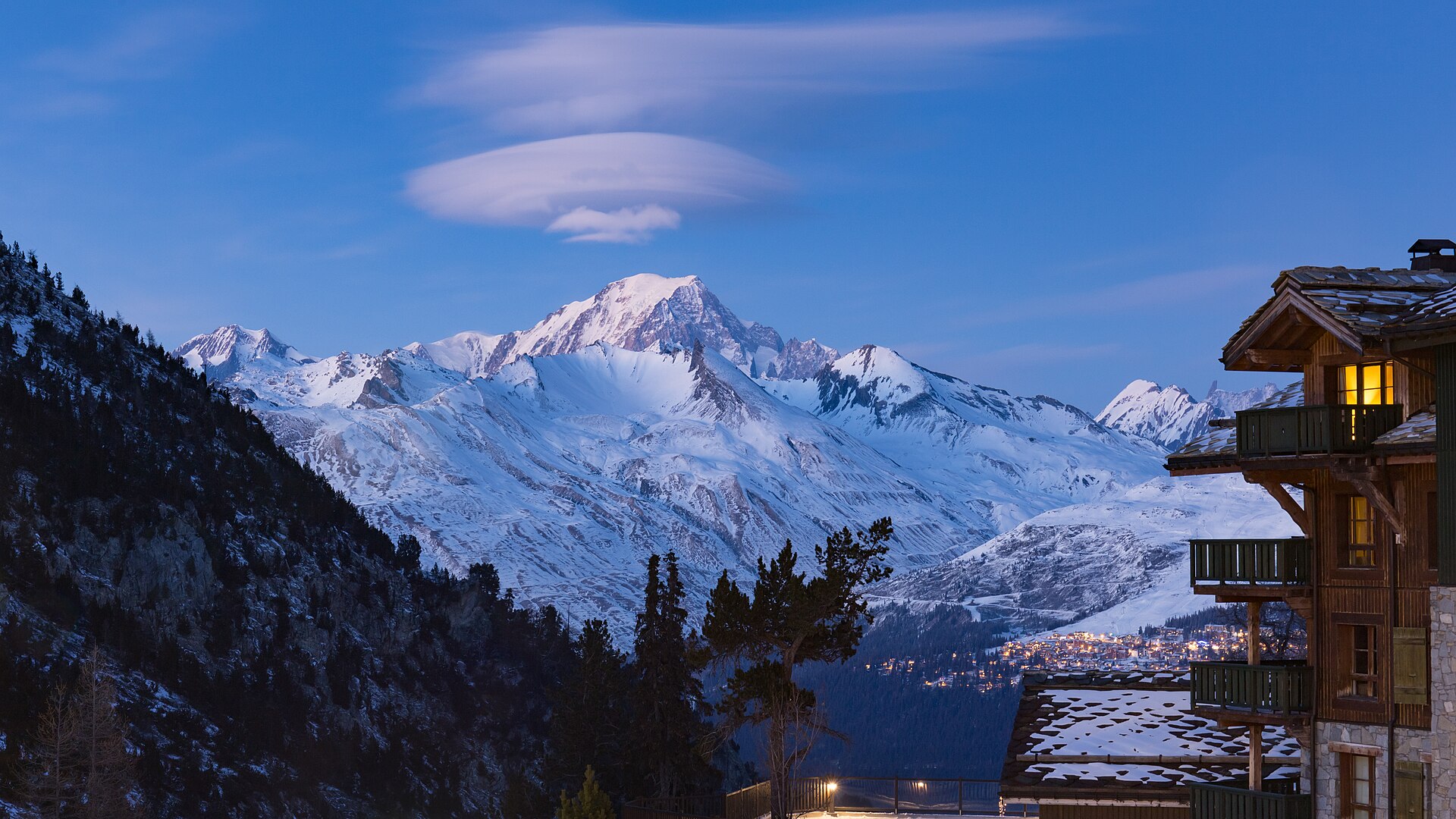
The French Alps stretch across the south-east of France along its borders with Italy and Switzerland. For many travellers from the US, this part of France gets overlooked — most attention goes to Paris, Provence, or the Loire Valley. That is a mistake. This French Alps travel guide covers everything you need to know: the best towns to visit, when to go, how to get there, and what to do once you arrive. Whether you are planning a summer walking holiday or a winter ski trip, the French Alps reward visitors in every season.
Love France? Join 7,000+ readers on our free newsletter → lovetovisitfrance.substack.com
What Is the French Alps Region?
The French Alps form a broad arc across three departments: Haute-Savoie, Savoie, and Isère. The region is anchored by Mont Blanc — at 4,808 metres, the highest peak in Western Europe. Most visitors head to Chamonix, the town at the foot of Mont Blanc, but the wider region offers far more: medieval lake towns, cheese-producing valleys, and national parks with almost no visitors at all.
The Alps are not just a ski destination. Summer here brings wildflower meadows, clear mountain lakes, and hiking trails that rank among the finest in Europe. The Tour du Mont Blanc — a 170-kilometre circuit of the Mont Blanc massif crossing France, Italy, and Switzerland — draws walkers from across the world every summer. You do not need to complete the full route to enjoy the mountains. Day walks from Chamonix alone are exceptional.
Best Time to Visit the French Alps
The French Alps have two distinct high seasons, separated by quieter shoulder periods that many travellers overlook entirely.
Winter (December to March) is peak skiing season. Resorts like Chamonix, Val d’Isère, Megève, and Les Gets fill quickly, and prices rise accordingly. Book accommodation months in advance for a winter trip. Snowfall is generally heavy in January and February, and conditions are excellent across most of the major ski areas.
Summer (late June to early September) is the other high season. Hiking trails open up, cable cars operate at full capacity, and Lake Annecy becomes one of the most popular bathing spots in France. July and August are warm and busy — daytime temperatures in the valleys can reach 30°C. For trails without the crowds, aim for late June or early September instead.
Spring and autumn are quieter, less expensive, and in many ways the most pleasant times to visit. Some mountain facilities close between seasons, but the valley towns of Annecy, Chambéry, and Grenoble are open and welcoming year-round. For more on timing, see our guide to the best time to visit France.
Love France? Get our free weekly newsletter.
Hidden gems, local recipes, and travel inspiration every week.
Thinking about it seriously? If you’ve started actually planning a move, our complete our complete Moving to France guide walks through every step, every cost, and the paperwork that catches most people out.
Top Places to Visit in the French Alps
Chamonix
Chamonix sits directly beneath Mont Blanc and is the historical home of European mountaineering. The town has excellent restaurants, a lively centre, good equipment shops, and cable cars that lift you to elevations most visitors never reach on foot. The Aiguille du Midi gondola rises to 3,842 metres and offers views across Mont Blanc that stretch into Italy and Switzerland on clear days.
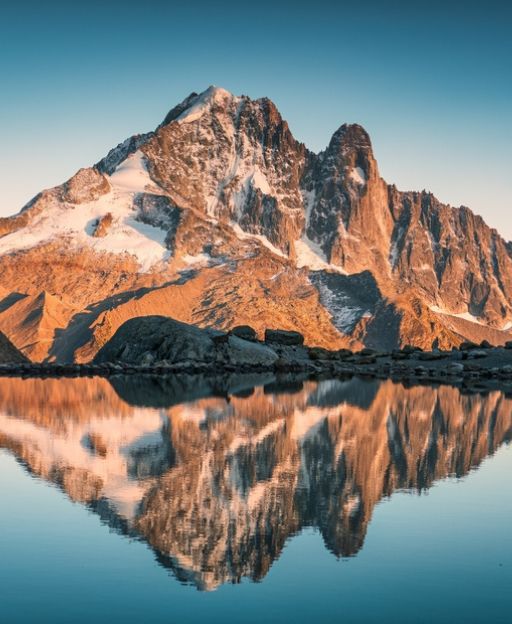
Chamonix is equally a serious hiking base in summer. Trails leave directly from the town, and the combination of lifts and footpaths means you can design routes of almost any difficulty and length. The Lac Blanc viewpoint — with its famous reflection of the Mont Blanc massif in an alpine lake — is one of the most photographed spots in France, and rightly so.
Annecy
Annecy sits on the northern shore of Lake Annecy, one of the cleanest lakes in Europe. The old town has canals, flower-lined bridges, and medieval arcades that deserve at least a full day on their own. The lake is ringed by a 41-kilometre cycling path — flat, well maintained, and spectacular — that is popular with families and casual cyclists throughout summer.
Unlike Chamonix, Annecy is a functioning city with its own strong local culture independent of tourism. It makes an excellent base for the northern Alps, within easy reach of Chamonix to the south and the Swiss border to the north.
Megève and the Haute-Savoie Villages
Megève sits in a wide valley with a picture-perfect church, cobbled streets, and an atmosphere that blends Swiss village charm with French elegance. Skiing here is gentler than Chamonix, making it particularly popular with families. The surrounding Haute-Savoie region hides dozens of smaller villages — Saint-Gervais, Les Contamines, Samoëns — each worth a half-day visit for their architecture, markets, and mountain setting.
Vanoise National Park
Vanoise was France’s first national park, established in 1963. It shares a border with Italy’s Gran Paradiso National Park, making the two together the largest protected alpine area in Western Europe. Ibex and chamois roam freely here. Walking trails are exceptional, and visitor numbers are a fraction of those in Chamonix. For solitude in the mountains, the valley towns of Pralognan-la-Vanoise and Champagny-en-Vanoise are worth seeking out.
How to Get to the French Alps from the US
There is no direct flight to a major airport in the Alps, but connections are straightforward. The closest international airport to most of the northern Alps is Geneva (GVA) in Switzerland. From Geneva, Chamonix is around 90 minutes by direct bus or car, and Annecy is under an hour.
Lyon Saint-Exupéry (LYS) is a good option for the southern Alps and the Grenoble area. Paris Charles de Gaulle (CDG) is the main transatlantic hub — from there, a TGV high-speed train runs to Chambéry in around two hours, and to Annecy in roughly three and a half hours with a change at Lyon.
Once you arrive, a hire car gives the most flexibility, particularly for exploring smaller villages and mountain passes. Our full guide to getting around France covers all transport options in detail, and our guide for American drivers explains driving in France from roundabouts to mountain roads.
What to Do Beyond the Ski Slopes
Hiking is the headline summer activity. The GR5 long-distance trail runs from Lake Geneva all the way south to Nice, passing through the heart of the French Alps. Day hikes from Chamonix to Lac Blanc take around four to five hours and require no specialist experience — just solid footwear and a weather check before you set off.
Via ferrata routes are fixed-rope climbing paths cut into cliff faces. No previous climbing experience is needed — just a head for heights and a hire harness available at most resorts. Chamonix and Annecy both have excellent routes for beginners as well as harder lines for experienced climbers.
Paragliding operates year-round from Chamonix. Tandem flights with a qualified instructor launch from the Plan de l’Aiguille mid-station and glide down to the valley floor in around 15 minutes. It is one of the most memorable experiences the French Alps offer.
Cheese and food trails run through the dairy valleys of the Haute-Savoie. Beaufort, Reblochon, Abondance, and Tomme de Savoie are all produced here. Many farms welcome visitors during summer, and mountain restaurants — known as refuges — serve warming food even in the height of the hiking season.
French Alps Food and Drink
Mountain cooking here is built around cheese, cream, and cured meats. Tartiflette is the region’s most widely known dish: a baked gratin of potatoes, Reblochon cheese, onions, and lardons, served in almost every mountain restaurant. Fondue and raclette are equally common. If you are visiting in winter, all three will appear on every menu.
Savoie produces its own wines — little known outside the region but well worth seeking out. Apremont and Chignin are crisp whites made from local grape varieties that pair well with the cheese-heavy cooking of the mountains. Génépi is the traditional Alpine liqueur, made from mountain plants and served as a digestif after dinner.
In Annecy’s old town, restaurants are consistently good. Book a table a day in advance during summer — the old town fills quickly in July and August and walk-ins become difficult.
French Alps Travel Guide: Essential Planning Tips
The French Alps use euros. Most hotels and restaurants accept credit cards, but carry cash for mountain refuges and smaller village shops, which often operate on cash only.
French is the language of the region. English is widely spoken in Chamonix and Annecy, considerably less so in smaller villages. Learning a few words of French earns goodwill from locals and makes a difference to your experience.
Altitude deserves attention. Chamonix sits at around 1,035 metres. Cable cars can take you above 3,800 metres in minutes — a significant elevation gain in a very short time. Allow an hour or two to acclimatise before exerting yourself at altitude, and drink plenty of water.
Weather changes quickly in the mountains. Even in July, afternoon thunderstorms are frequent above the valley floor. A lightweight waterproof jacket is worth packing regardless of the season, and temperatures drop sharply after sunset at any elevation.
For a full breakdown of what a France trip costs, see our guide to how much a trip to France costs. For the big picture on planning your visit, start with our France trip planning hub.
You Might Also Enjoy
- The Ancient Spring Walk That Still Brings France’s Mountains to Life
- 7 Days in France: A Classic Road Trip Route
- Normandy Travel Guide: D-Day Sites and Beyond
Plan Your France Trip
The French Alps are one piece of a remarkable country. Our France Trip Planning Hub brings together itineraries, regional guides, budget tips, and practical advice for first-time and returning visitors alike.
Join 7,000+ France Lovers
Three times a week, get France’s hidden gems, local recipes, and travel inspiration — the kind you won’t find in any guidebook.
Subscribe free — enter your email:
🇫🇷 Discover the France Most Tourists Never Find
Get our free guide to 25 hidden villages of France — then join 7,000+ readers for weekly stories about places most guidebooks never mention.
Get Your Free Village Guide →Free forever · Unsubscribe anytime
🇫🇷 You Might Also Love
Tours & experiences you might love


Powered by Viator. Some links are affiliate links — we may earn a small commission at no extra cost to you.

Leave a Reply