
The Normandy D-Day beaches are among the most visited and most moving destinations in France. Every year, hundreds of thousands of travellers — many of them American — make the journey to the Normandy coast to walk the same sand where Allied soldiers landed on 6 June 1944. If you are planning a trip to this part of France, this guide covers everything you need to know: which beaches to visit, how to reach Normandy from Paris, and what to expect when you get there.
🇫🇷 Discover the France Most Tourists Never Find
Get our free guide to 25 hidden villages of France — then join 7,000+ readers for weekly stories about places most guidebooks never mention.
Get Your Free Village Guide →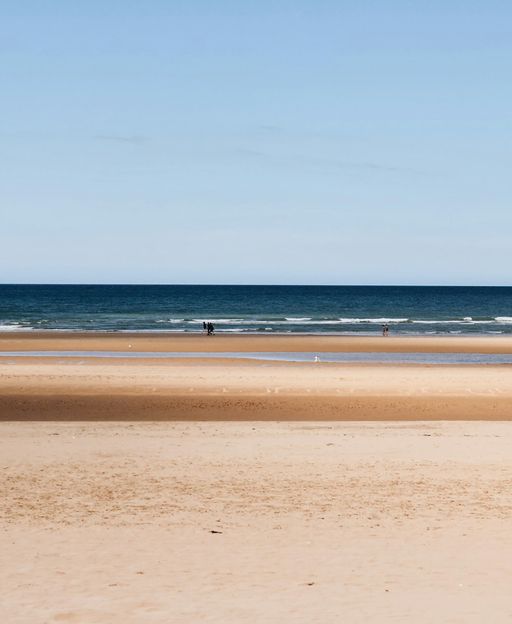
Why American Travellers Visit the Normandy D-Day Beaches
For Americans, Normandy carries a particular weight. More than 73,000 US troops landed on 6 June 1944. Thousands did not return. Their names are carved into the walls of the Normandy American Cemetery, which overlooks Omaha Beach from a bluff above the sea. Many visitors come on a family pilgrimage — retracing the steps of a grandfather or great-uncle who served in the liberation of France. Others come simply because this is one of the most significant places of the twentieth century, and standing on that beach in person changes you.
Normandy is not just about the war, of course. The region has beautiful coastline, excellent food, and historic towns like Bayeux and Rouen. But the D-Day beaches are what draws most international visitors here, and they deserve your full attention and a full day — at minimum.
The Five Normandy D-Day Beaches — What to Expect
Five beaches were designated for the Allied landings: Omaha and Utah (American sectors), Gold and Sword (British), and Juno (Canadian). They stretch across roughly 80 kilometres of the Norman coastline. Most visitors focus on the American beaches, which have the most extensive memorials and museums nearby.
Omaha Beach
Omaha is the most famous of the five beaches, and the most visited. American troops suffered the heaviest casualties here on D-Day. Today it looks like any other quiet stretch of Norman coast — wide, sandy and calm. The contrast between the peaceful scene and what happened here is quietly devastating. Walk the beach, then drive up to the bluff above it to visit the Normandy American Cemetery. The rows of white crosses stretching across nine hectares above the sea are something you will not forget.
Utah Beach
Utah Beach lies to the west of Omaha. The landing here on D-Day went more smoothly than planned. The Utah Beach Museum sits directly on the sand and tells the story of the airborne operations that preceded the amphibious landings. It is well organised and worth at least two hours. The beach itself is flat and wide — you can walk right down to the water’s edge and look back towards the dunes where the defences once stood.
Gold, Juno and Sword Beaches
These three British and Canadian beaches run east from Bayeux towards Ouistreham. They are less visited by American tourists but equally significant. Juno Beach has the Canadian museum at Courseulles-sur-Mer, which tells the story of Canada’s role in the liberation of France. Gold Beach is near Arromanches, where the remains of the artificial Mulberry harbour — a feat of wartime engineering — are still visible in the sea today.
The Normandy American Cemetery
The Normandy American Cemetery at Colleville-sur-Mer is the most visited American war memorial in Europe. It sits on a clifftop above Omaha Beach and contains the graves of 9,388 American soldiers. Entry is free. The visitor centre below the cemetery tells the stories of individual soldiers with photographs and personal accounts. Allow at least two hours here. Many visitors find it the most emotionally affecting part of the day.
The cemetery is managed by the American Battle Monuments Commission and is open every day except Christmas and New Year’s Day. Early morning visits are quieter. If you plan to visit on 6 June — the anniversary of D-Day — expect very large crowds and arrive early.
Beyond the Beaches — Pointe du Hoc and the Mémorial de Caen
Pointe du Hoc sits between Omaha and Utah beaches. On D-Day, US Army Rangers scaled the 30-metre cliffs here under fire to destroy German gun batteries. The site is managed by the American Battle Monuments Commission and entry is free. The craters left by Allied bombing are still visible across the clifftop — it looks almost lunar in places. The bunkers and observation posts are open to explore. This is one of the most dramatic and atmospheric sites on the whole Normandy coast.
Further east, in the city of Caen, the Mémorial de Caen (Memorial of Caen) is considered one of the finest Second World War museums in Europe. It covers the full arc of the war — from the rise of fascism to the liberation of France and the post-war period. If you want historical context before or after visiting the beaches, it is an excellent choice. Plan three hours. Caen itself was heavily bombed during the Battle of Normandy and was largely rebuilt after the war, but some of the old quarter near the castle survived and is worth exploring.
How to Get to Normandy from Paris
Paris is the natural starting point for most American visitors to Normandy. You have three options for reaching the D-Day beaches.
By organised tour: Many companies run day trips from Paris to Normandy. These typically leave early, cover the main sites, and return in the evening. They remove the planning burden but give you limited time at each stop. Expect to pay £100–£180 per person for a good guided tour.
By hire car: This is the best option for independent travellers. Rent a car in Paris (or at Caen station after taking the train) and drive at your own pace. The D-Day sites are spread across a wide area, so having your own transport gives you proper freedom. The drive from Paris to Bayeux takes about two and a half hours.
By train and local taxi: The fastest train from Paris Saint-Lazare reaches Bayeux in about two hours. From Bayeux, many visitors hire a local guide with transport to cover the beaches. Bayeux itself is worth a night — the famous Bayeux Tapestry is housed here, and the town was the first in France to be liberated after D-Day.
For more on getting around France, see our France travel budget guide, which covers transport costs in detail. If you are still deciding which part of France to visit, our guide to the best regions in France will help you plan your route. And if you want to extend your time in northern France, the historic city of Rouen — where Monet painted his cathedral series — is less than an hour from the beaches by road.
When to Visit the Normandy D-Day Beaches
The beaches are open year-round. The best times to visit are May, June, September and October. Summer (July and August) brings the largest crowds — especially around the 6 June anniversary. The weather in Normandy can be unpredictable at any time of year, so bring a waterproof layer even in summer.
The anniversary ceremonies on 6 June are deeply moving, with veterans (now very elderly), dignitaries and thousands of visitors attending. If you want to experience the commemoration, book accommodation months in advance — hotels in Bayeux and along the coast fill up fast for this date.
Spring visits (April and May) offer good weather, smaller crowds, and the countryside in full bloom. The Normandy hedgerows and apple orchards look spectacular in May.
Planning your Normandy trip? Get free weekly France travel inspiration delivered to your inbox →
Thinking about it for retirement?
If you’ve started thinking seriously about retiring there, our complete our full Retire in France guide covers the visa, healthcare, cost-of-living, and the regions worth shortlisting.
Frequently Asked Questions About Visiting the Normandy D-Day Beaches
How long do you need to visit the Normandy D-Day beaches?
Allow at least one full day for the American sector (Omaha Beach, the Normandy American Cemetery, Utah Beach and Pointe du Hoc). If you want to include the Mémorial de Caen and the British and Canadian beaches, plan for two full days. Trying to see everything in a single day leaves you rushing, and this is not a place to rush.
Can you visit the Normandy D-Day beaches independently, without a tour?
Yes. All the major sites — the beaches, the cemetery, Pointe du Hoc and the museums — are free and open to independent visitors. A hire car is strongly recommended, as the sites are spread across 80 kilometres of coastline and public transport between them is very limited. Audio guides are available at most museums if you prefer self-guided exploration.
What is the best time of year to visit the Normandy D-Day beaches?
May and September are the sweet spots — good weather, manageable crowds, and full access to all sites. The 6 June anniversary is the most atmospheric date but also the most crowded. July and August are busy throughout Normandy. Winter visits are quiet and reflective, though some smaller museums have reduced hours between November and March.
Is the Normandy American Cemetery free to visit?
Yes. The Normandy American Cemetery at Colleville-sur-Mer is free to enter and is managed by the American Battle Monuments Commission. The visitor centre, the memorial and the cemetery grounds are all free. It is open every day of the year except Christmas Day and New Year’s Day.
You Might Also Enjoy
- Why Rouen’s Cathedral Drove Monet to Madness — and How to See It
- The Forgotten Ritual Behind Every Brittany Oyster on Your Plate
- The Best Regions to Visit in France (and How to Choose)
Plan Your France Trip
Ready to start planning your visit to France? Our France trip planning hub covers visas, the best time to visit, how to get around, where to stay and how to manage your budget — everything you need before you book.
Join 7,000+ France Lovers
Three times a week, get France’s hidden gems, local recipes, and travel inspiration — the kind you won’t find in any guidebook.
Subscribe free — enter your email:
Love more? Join 64,000 Ireland lovers → · Join 43,000 Scotland lovers → · Join 30,000 Italy lovers →
Free forever · Unsubscribe anytime
Tours & experiences you might love


Powered by Viator. Some links are affiliate links — we may earn a small commission at no extra cost to you.

Leave a Reply