Walk into any small wine bar in Lyon, Paris or Montpellier and you will notice something different. The bottles have hand-drawn labels. The wines look cloudy. The names are unfamiliar. France invented this revolution — and it is reshaping the way the world drinks.
What Natural Wine Actually Means
Natural wine has no single legal definition. The idea is simple: winemakers use organically grown grapes, ferment with wild yeasts rather than commercial strains, and add little or no sulphites.
The result is wine that reflects its soil, its season, and its maker — not a laboratory formula. Every vintage tastes different. That is the point.
The movement grew from a discomfort with the industrialisation of French wine in the 1970s and 1980s, when large négociants homogenised flavour for global markets. A handful of winemakers decided they had seen enough.
Where It Started: Beaujolais in the 1980s
Jules Chauvet was a scientist and winemaker in Beaujolais who believed that chemistry had gone too far. He documented how grapes, left to ferment naturally, produced wines of far greater complexity than anything made with laboratory shortcuts.
His disciples — Marcel Lapierre, Jean Foillard, Guy Breton and Jacques Néauport — became the founding generation. Their wines came from Villié-Morgon, a quiet village south of Lyon. Lapierre became a cult figure almost by accident.
After Lapierre’s death in 2010, his children Jean and Camille continued the work. The domaine still receives visitors from Japan, the United States and across Europe — a pilgrimage route for wine lovers who care about how wine gets made.
The Loire Valley: France’s Natural Wine Heartland
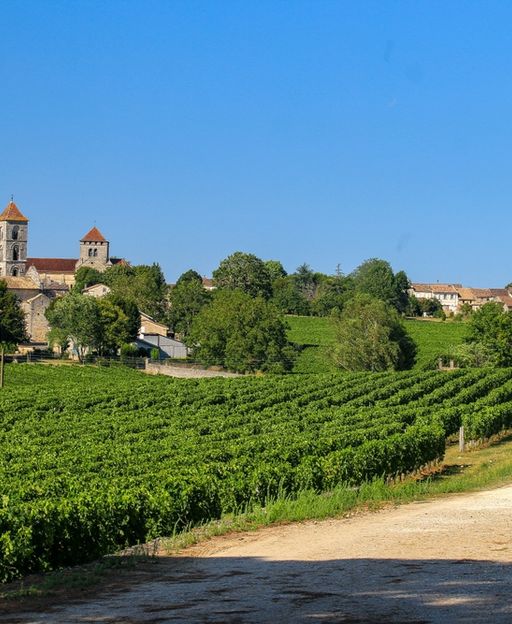
No region in France has embraced natural wine more completely than the Loire Valley. The region’s granite and schist soils suit low-intervention farming. Its diversity — sparkling Vouvray, dry Muscadet, red Chinon — gives producers room to experiment.
Winemakers in Montlouis-sur-Loire, Bourgueil and Saumur have built quiet reputations among sommeliers globally. The village of Saint-Nicolas-de-Bourgueil holds a weekend market where local producers sell direct from the estate.
If you plan a Loire trip, our guide to Sancerre and the Loire wine villages covers the key stops. Or use our France planning hub to map your full route.
Enjoying this? 7,000 France lovers get stories like this every week.
Thinking about it seriously? If you’ve started actually planning a move, our complete our complete Moving to France guide walks through every step, every cost, and the paperwork that catches most people out.
The Jura: Where Strange Wine Was Always Normal
The Jura sits in eastern France, wedged between Burgundy and Switzerland. Visitors rarely arrive for the wine. They should.
The region produces vin jaune — aged under a film of yeast in old barrels for six years and three months, developing a nutty, oxidative flavour unlike anything else in France. Winemakers here also make orange wines and skin-contact whites.
For the Jura’s producers, natural wine was never a revolution. It was simply how things had always been done. Our guide to the Jura covers how to visit this overlooked region.
The Village Wine Bar as Classroom
In Paris, the 11th arrondissement became the centre of natural wine culture during the 2010s. Small bars in Oberkampf and Belleville stocked bottles from producers most customers had never heard of. Sommeliers explained the wines without pretension.
In Lyon — France’s most food-serious city — natural wine bars serve flights from small domaines alongside simple plates. Prices often undercut those at conventional wine bars by a significant margin.
Many producers in the Loire and Beaujolais welcome visitors directly. They work small plots. They know their neighbours. They will usually pour you a glass standing in the cellar — and send you away with a bottle tucked under your arm.
How the French Establishment Changed Its Mind
France’s traditional wine industry initially dismissed natural wine as a niche affectation. Critics pointed to inconsistency — some bottles are unstable and develop faults. Traditional producers worried it undermined France’s reputation for precision.
But the movement kept growing. By the 2010s, some of the world’s most influential restaurants — in Copenhagen, London and Tokyo — put natural French wines on their lists. Paris and Lyon’s starred restaurants followed.
Today, biodynamic certification has increased across nearly every major French wine region. The argument is effectively over. The rebels won.
Frequently Asked Questions
What is the difference between natural wine and organic wine?
Organic wine refers to how grapes were grown — without synthetic pesticides or herbicides. Natural wine goes further: it minimises intervention in the cellar too, using wild yeasts to ferment and adding little or no sulphites as a preservative. An organic wine may still use commercial yeasts and sulphites. A natural wine avoids both.
Where can I find natural wine in France as a visitor?
The Loire Valley, Beaujolais and the Jura are the key regions. Within cities, Lyon and Paris have dedicated natural wine bars — look in the 11th arrondissement in Paris and around the Presqu’île in Lyon. Many domaines in the Loire welcome visits without appointment during harvest season. Check local wine cooperative websites or ask your accommodation for recommendations.
What is the best time to visit French natural wine regions?
September and October bring harvest season — the most atmospheric time to visit any French wine region. Spring (April to June) works well too, as producers complete their bottling and open cellars for tastings after the winter. Avoid August if you can: many small domaines close for the summer holidays.
What began as a quiet rebellion in the vineyards of Beaujolais is now one of France’s most exciting cultural exports. The villages that started it are still producing the best bottles. And they remain worth every mile of the drive.
Join 7,000+ France Lovers
Three times a week, get France’s hidden gems, seasonal guides, local stories, and the art of la vie française — straight to your inbox.
Subscribe free — enter your email:
🇫🇷 Discover the France Most Tourists Never Find
Get our free guide to 25 hidden villages of France — then join 7,000+ readers for weekly stories about places most guidebooks never mention.
Get Your Free Village Guide →📲 Know someone who’d love this? Share on WhatsApp →
Love more? Join 65,000 Ireland lovers → · Join 43,000 Scotland lovers → · Join 29,000+ Italy lovers →
Free forever · Unsubscribe anytime
🇫🇷 You Might Also Love
Tours & experiences you might love


Powered by Viator. Some links are affiliate links — we may earn a small commission at no extra cost to you.

Leave a Reply